


Because standard homeowners insurance rarely covers pest damage, early detection is vital. Learn how modern monitoring and soil barriers protect wood framing.
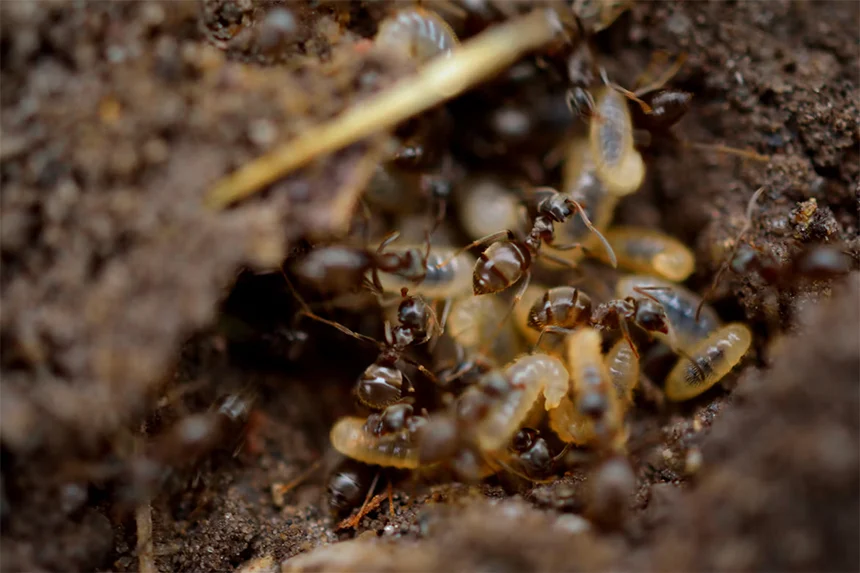
Subterranean termites can cause residential property damage that costs billions of dollars. Colonies eat structural wood and hide behind drywall long before you notice mud tubes or flying swarmers. You will think your home is safe when rooms look normal on the surface.
Detecting problems early and fixing moisture issues helps you protect your wood framing before repair bills mount.
How Do Specialists Tailor Treatment to Local Soil and Climate?
Local weather swings, yard drainage, and clay or sandy soil profiles influence how pests move around your property. Professionals who handle termite control in Columbus match treatment plans to regional soil conditions and seasonal pest pressure so barriers hold up year-round. A technician can walk your lot and spot damp pockets you walk past every day.
Simple Yard Habits That Cut Moisture Around Wood
- Mulch clearance gaps: Keep garden mulch a few inches below siding and away from foundation walls so soil dries faster.
- Gutter and downspout care: Clean gutters daily and extend downspouts so roof runoff drains well away from footings.
- Outdoor leak fixes: Repair dripping hose bibs, AC condensation lines, and sprinkler heads before puddles form against walls.
- Wood storage distance: Stack firewood and scrap lumber off the ground and away from your house exterior.
Why Do Subtle Warning Signs Slip Past Homeowners?
Subterranean termites work out of sight inside walls, subfloors, and trim, so early clues usually look like normal house wear. You may blame sticky doors or peeling paint on humidity or settling without checking the wood underneath.
Research from the University of Georgia Extension notes that subterranean termites feed nonstop from soil contact and can eat through structural lumber long before you detect signs on the surface. Tapping trim with a screwdriver or checking baseboards near damp rooms often uncovers hollow spots that quiet wood rot alone does not explain.
- Hollow trim checks: Tap baseboards and window casings gently to listen for thin, papery wood behind paint.
- Door and frame shifts: Look for interior doors or windows that suddenly stick or rub when weather changes stay mild.
- Surface paint bubbles: Watch closely for bubbled or darkened paint that mimics water stains but feels fragile when pressed.
- Foundation mud tubes: Check concrete piers, sill plates, and slab edges for pencil-thin earthen tunnels built for travel.
How Do You Tell Termite Clues Apart From Normal Wear?
Older homes naturally change a little with seasons, yet sudden changes near the ground deserve a closer look. Probe soft or bubbled wood with a small awl or screwdriver to see if galleries tunnel along the grain.
When Spring Swarmers Signal Hidden Activity
Seeing winged swarmers indoors or near windowsills tells you a mature colony lives nearby or inside your structure. Even if you sweep up the discarded wings immediately, the hidden workers keep feeding on your framing.
How Does Yard Moisture Pull Foraging Colonies Toward Foundations?
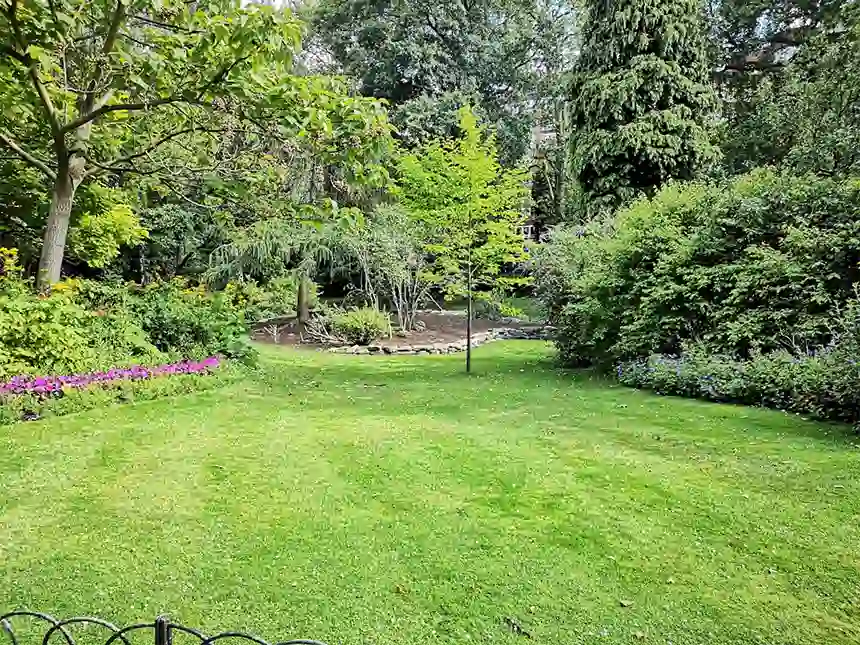
Damp soil near your house makes ideal travel and feeding conditions for subterranean termites moving out from yard nests. When mulch collects up against siding or rain pools next to concrete walls, foraging workers find easy cover and steady moisture.
A University of Kentucky Entomology guide highlights that damp soil near foundation walls, wood touching soil, and poor water runoff pull foraging subterranean termites directly toward homes. Fixing grading slopes and clearing soil away from wood siding breaks the damp bridge that helps colonies reach your framing.
Which Protection Method Fits Your Home Best: Liquid Barriers or Bait Systems?
Selecting between a non-repellent liquid soil barrier and a targeted baiting system depends on your foundation style, yard layout, and long-term goals. Non-repellent liquid treatments create a treated zone in the soil around your home that termites pass through without sensing a chemical wall, passing the active ingredient back through the colony.
Bait stations placed in the ground around the perimeter intercept foraging workers and depend on slow-acting bait to target the wider colony over time. Some homeowners combine a liquid treatment around tricky slab or plumbing entries with ongoing bait stations for regular monitoring. Talking through crawl spaces, concrete slabs, and landscaping with a licensed pro helps you choose a plan that fits your structure.
What Happens During an Annual Inspection and Monitoring Plan?
A yearly checkup looks closely at high-risk spots such as sill plates, crawl spaces, utility entries, and damp exterior walls. Catching fresh mud tubes or early moisture problems saves you from major framing repairs down the road.
Scheduling regular checks and keeping water away from your foundation protects both your home’s structure and its resale value. With steady care and smart planning, you can remain ahead of quiet pest damage and keep your house solid for years to come.
FAQs
What smell do termites hate the most?
Termites hate the smell of clove oil, orange, lemongrass, and garlic.
What kills termites immediately?
Foam termiticides and orange oil kill termites immediately.
What is a termite’s biggest enemy?
Ants are considered termites’ biggest enemy.