Grab some of the soil from your garden and then squeeze it. If it bonds soil aggregates, then breaks when you disturb the structure, this is the best soil for gardening. If soil becomes too sticky like mud or passes between your fingers, the problem is the growing method, not the nutrients
Usually, gardeners prefer to choose a plant, then place it to grow out. This is obviously a loose process which leads to narrow roots, waterlogged soil, pots which dried overnight; this becomes more effort to overcome challenges like this.
This guide will take you deep into analysis of soil type and root environment for growth and establishment with utmost cost in setup for your lawn.
In-Ground Soil, Raised Beds, Containers, or Soilless Mix?
I have grown in all soil styles listed below, and none give perfect results. You should understand the science behind plants’ activities that remain hidden from your naked eyes. Let’s go through the differences between soil types adopted in gardening:
| Option | Upfront Cost | How to Control Drainage Issues | Effort Applied to the Soil Preparation | Recommended for |
|---|---|---|---|---|
| In-Ground Soil | None if additional inputs are given. | Totally depends upon types of soil. (Sandy, Silt, or Clay) | Minimum counts only at first treatment | Perennials, crops, and wide-rooted plants that grow horizontally. |
| Raised Beds | Moderate to high for lumber and soil fillers | Highly managed into watershed channels | Low to moderate | Mostly vegetables with loose roots and care. |
| Containers | Low to Moderate per plot | High management | Moderate, which dry faster | Patios, small spaces, heavy feeders |
| Soilless / Hydroponic systems | High equipment setup required | No drainage. Controlled water systems. | Moderate to high; scheduled for timely feeds | Herbs, leafy greens in a controlled environment (Greenhouse Chambers) |
Your garden does not need the setup that looks shinier than before. It simply needs what suits the plant environment. In-ground beds are not suitable when your drainage system is good, while raised beds give you more control over required depths and trenches.
Containers are easily handled when the required sunlight is the most, and they dry faster for weaker root systems. Soilless has an improved drainage system when roots dry, and containers need more care to keep them fresh. If you are not sure about where to start, this soil and compost guide can help.
Quick Insight
A labeled bag with potting soil that contains actual soil is a myth. Many container mixes are soilless growing media made from materials such as perlite, vermiculite, bark, compost, peat moss, or coconut coir. Lighter soils are best; with the proper ratio of soil water and soil air, infiltration and percolation are easier.
Root Vegetables Want Loose Soil, Not Lucky Soil
If you want to grow root vegetables, soil texture gives you an idea for selecting seeds. Carrots and radishes need deep soil depth to grow, but compact soils and hard clods make root formation difficult in emerging and traveling where it gets space.
When you apply fertilizers, turn the soil up and down so that it mixes well, especially in root zones. A loose, crumbly bed gives roots more breathable soil air and water, which helps in stressful conditions.
For raised beds, you create a depth for root formation, and containers are filled with soil and nutrient mixtures that grow on a smaller scale.
Check your existing soil type. Get details of the proper ingredients needed for growth. You can check this beginner vegetable gardening guide; it covers soils, moisture, and growth factors.
Heavy Feeders Like Zucchini Need More Than a Big Pot
Zucchini looks very different when you see it and as it grows. A small-seeded plant can grow into a wild perennial plant. Its roots are spread across various layers in search of water and nutrients and withstand more time compared to other plants.
A large container is not enough for a fully established zucchini, but for a raised-bed system, it is in a survival condition; while getting bigger over time, it should be transplanted into an in-ground bedded area.
The healthiest option is in-ground soil where the plant has enough space for its roots to travel. This raised-bed vegetable guide covers zucchini, drainage, and soil quality.
Zucchini needs space till maturing. Maintain moisture level around the roots. Soils everywhere have different structures and textures, whether in-ground or in a soil-less hydroponic system.
Where Each Option Actually Fits in Your Yard
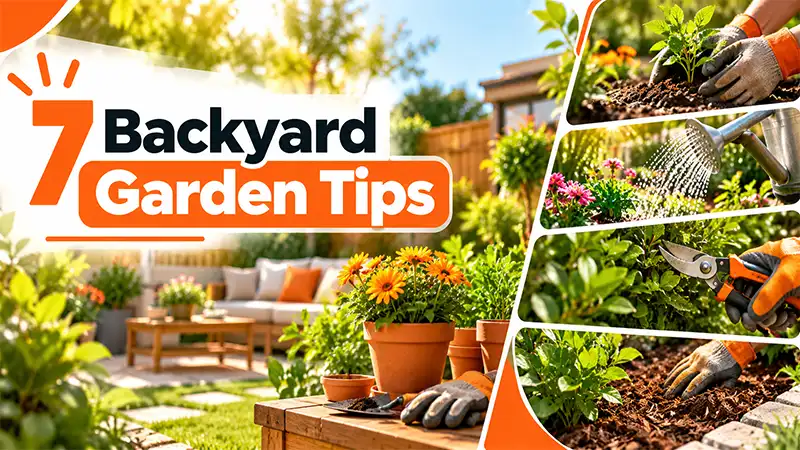
Before you buy anything for your lawn, take a walk through to notice simple things that most people miss. The sunfall area, water drainage point, and space for the pathways are important factors.
Your patio suits containers for some parts, but a raised bed will be perfect. Put the herbs and picked leaves along routes that are already used, and give sprawling plants space to grow without blocking.
Keep your pots close to a faucet because carrying one place to another makes more effort. This garden layout guide explains the plants’ position and their care.
Garden Math:
If a 2-cubic-foot bag fills the mixture for planting in three 5-gallon buckets. Then, it gives you an idea to estimate the actual number of bags needed for buying your containers.
When the Hobby Starts Paying for Itself
Your garden saves you a lot of money if you take every step with proper care; don’t assume tomatoes are less costly.
Take a step and go forward with all you have. If your soil has a loamy nature, then prepare an in-situ ground bed for optimum cost and high yield.
For raised beds, it costs you an initial investment like frame structures, irrigation channels, and compost, while for containers, pots and soil mixtures are sufficient.
The payoff really means growing things you would otherwise buy from outside. Herbs, greens, or tomatoes make a difference in growing patterns, especially for emergencies in the kitchen.
There is a value in that convenience. If your garden is part of a wider ground, keep its size reasonable for its planting materials, maintenance, and drainage. This landscape planning guide covers those decisions.
Pick the Setup You’ll Actually Keep Up With
The growing habits that pay you most. Not for a garden scene but for a healthy lifestyle. Try the best-suited soil type materials and keep experimenting with raw compost or bed preparation with smaller to larger seeds that suit your kitchen.
If you want this, then first try to make a soil test for all NPK and micronutrient levels. Knowing is better for the needed materials and saves more money than testing soil in a nearby lab.
Ensure the size of the plant before putting it in a container to fill gaps. Try smaller, miniature formal planting and keep the water source close. Operations like weeding, pruning, topping, and harvesting with tools in your store.
A garden you can check in ten minutes has a much better chance of staying healthy than one that feels like another evening chore.
Can I mix growing methods in the same yard?
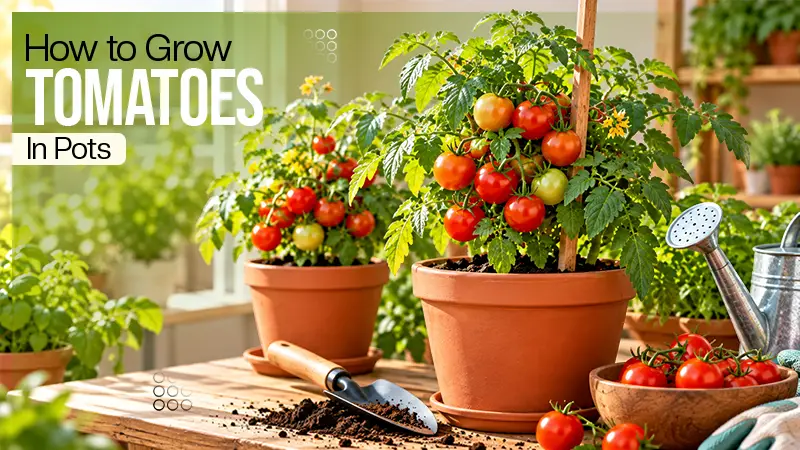
Absolutely. You have to grow carrots in a raised bed, while tomatoes in containers, and leave your preferred planting in the in-ground area. Don’t need to make it compact; try small batches.
How do I know if my native soil needs amending or replacing?
Firstly, go for a soil test. List the levels of nutrients in the soil. Adjust them by adding small amendments. Do not try everything at once; take time to observe whether the soil moisture or water-holding capacity is at an optimum level.
Do containers really need to be that large?
Based on your choice of plants, it affects the size of the container. If you choose big-rooted plants, then the container has to be big. But for small, shallow-rooted plants, a normal container is enough.
Is a soilless setup worth it for a beginner?
This setup is so useful for starting. Drainage, space, and roots need proper care, and the container is best suited for this. Maintenance and proper checkups have to be done for successful growth.
- YourHomify, “How To Store Carrots” — preserve carrots, covering sand, refrigerator, and in-ground storage methods
- YourHomify, “How to Grow Zucchini in Small Gardens and Containers” — grow zucchini, covering container size and soil pH requirements
- YourHomify, “Garden Layout Tweaks That Keep Your Environment Calm and Thriving” — garden layout tweaks, covering zoning and water access planning
- NIP Group, GrowPro greenhouse and nursery insurance program — greenhouse business insurance, covering property and liability coverage for growers
- NIP Group, specialty insurance provider — company background and carrier rating