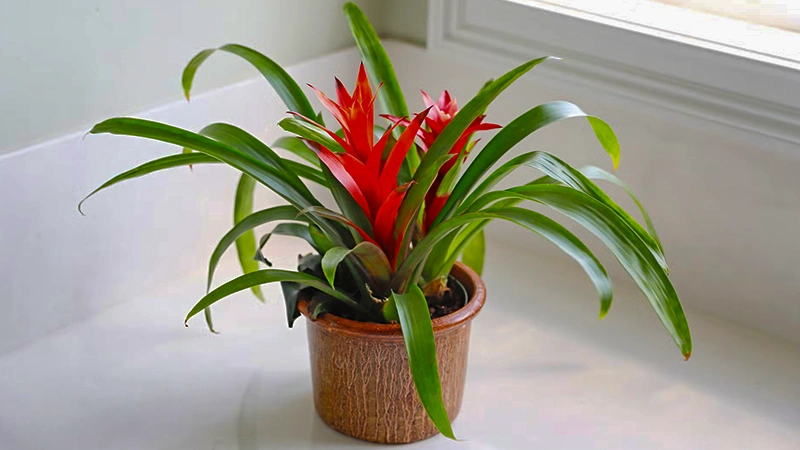
Whether you are a gardener or not, the funnel-shaped flowers of the bromeliads cannot be ignored. I have been growing many varieties of this extensively large genus for a while now, and these low-maintenance beauties are perfect to elevate your indoor or outdoor living space.
Right from the vibrant blooms in an array of colours to the bromeliad pups, which make propagation even simpler, this low-effort plant has been the perfect upgrade to my balcony garden.
If you are also looking for a hassle-free houseplant for your living space, explore the Bromeliad plant, starting from its planting guide, care and some interesting facts
What is the Bromeliad Flower? Explore this Diverse Plant Family
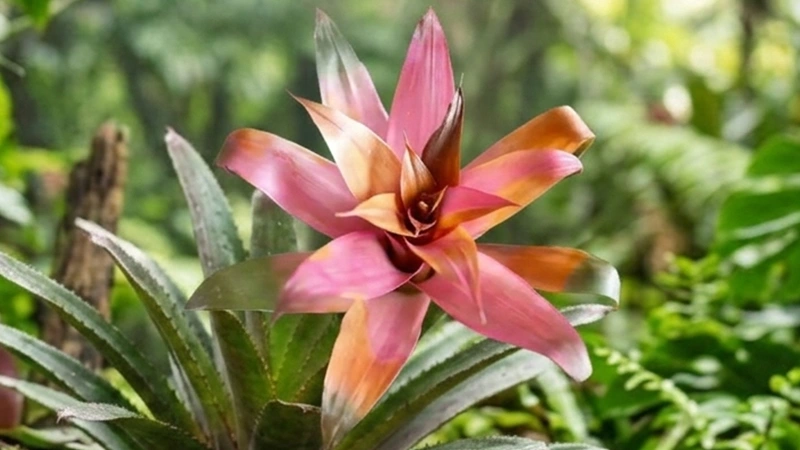
Much like the dianthus flower, the Bromeliad plant is not an individual plant under a genus, but a large plant family in itself. This plant family has over 3,000 species, divided into 50-80 genera.
Named after the Swedish botanist Olof Bromelius, this plant was introduced by Carl Linnaeus in 1752 to honor Bromelius. Apart from the striking rosette-shaped flowers, these perennial plants are also classified as air plants, which means they can survive without soil, using the nutrients from the air.
This perennial plant is native to North America and is extremely drought-tolerant. After the plant has finished flowering, it produces ‘bromeliad pups’, which makes the process of propagation easier.
Before exploring the growing and care guide, take a look at the taxonomy of the plant:
 | |
|---|---|
| Botanical name | Differs per species |
| Kingdom | Plantae |
| Division | Tracheobionta |
| Class | Magnoliophyta |
| Order | Bromeliales |
| Family | Bromeliaceae Juss. |
Bromeliad Plant Morphology: Parts and Functions
The leaves of the bromeliad bloom are more significant than the roots, interesting, right?
Every part of this evergreen plant has its own unique functions, which not only surprises the gardeners but also makes the whole planting different and exciting.
Have a look at the bromeliad plant morphology:
| Parts | Image | Functions |
| Leaves | 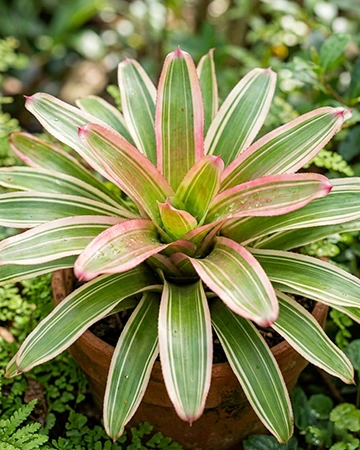 |
|
| Roots | 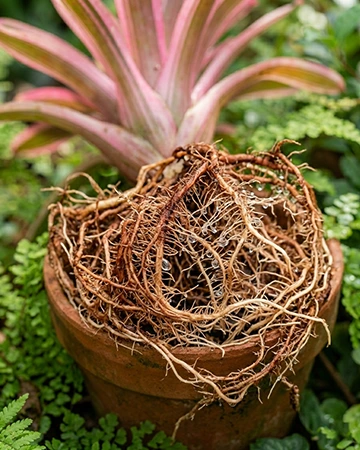 |
|
| Pups | 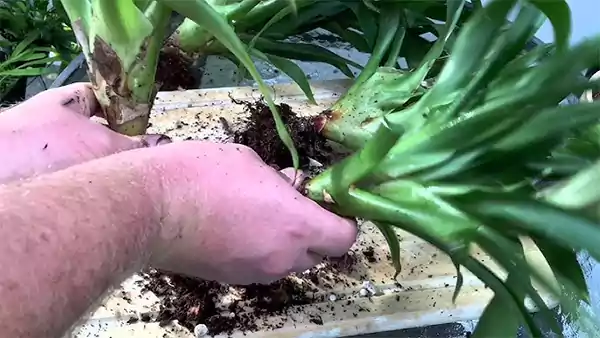 |
|
| Leaf scales | 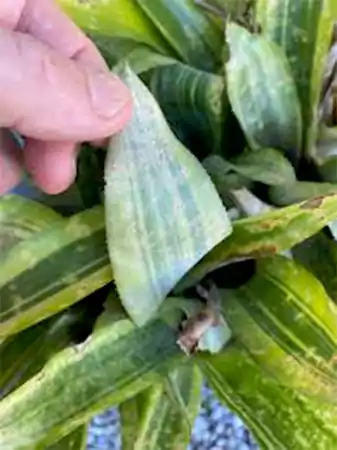 |
|
What are the Different Types of Bromeliad Plants?
With over 50 genera and more than 3,000 species, bromeliads are a mix of versatility and self-sufficiency.
These low-maintenance plants are mainly differentiated based on leaf structure, flower shape, and growth habit.
Take a look at the most famous Bromeliad types:
| Image | Name and Features |
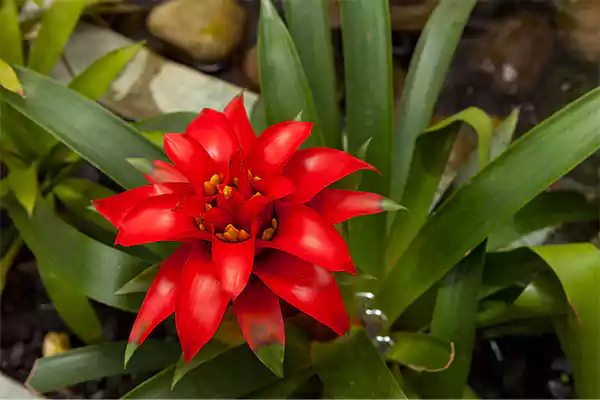 | Guzmania Bromeliad Common name: Vase plant Mature size: Up to 3 feet Flower features:
|
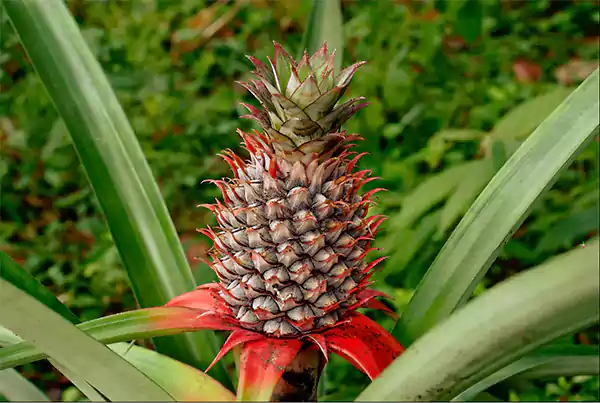 | Ananas comosus Common name: Pineapple Mature size: 3-4 feet Flower features:
|
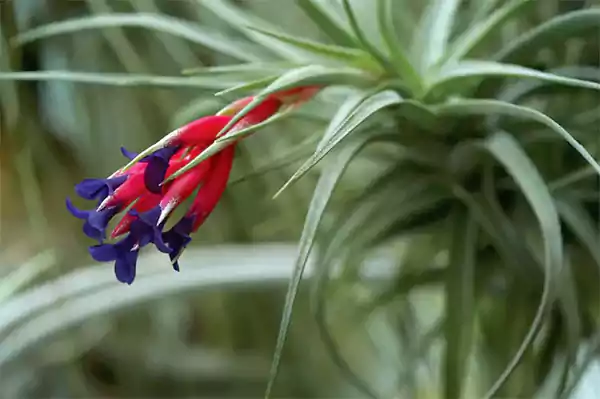 | Tillandsia Common name: Air plants Mature size: Depending on the species, large ones can reach up to 7 feet tall. Flower features:
|
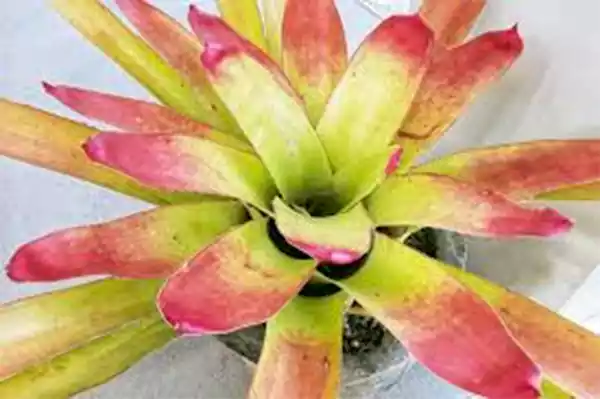 | Neoregelia Common name: Blushing Bromeliad Mature size: 1-2 feet Flower features:
|
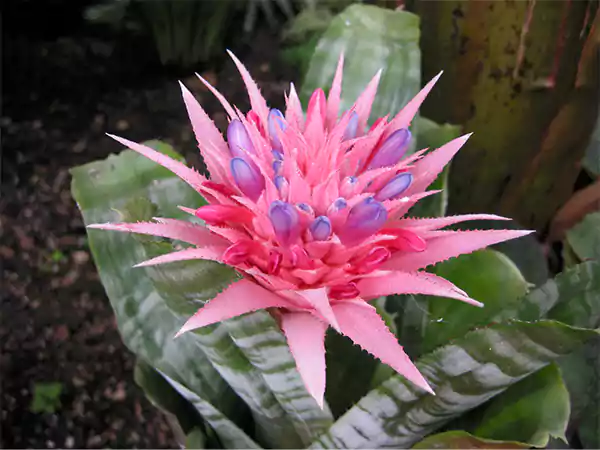 | Aechmea fasciata Common name: Urn plant Mature size: 1-3 feet Flower feature:
|
How to Grow the Bromeliad Flower?
Bromeliads are also classified as low-light indoor plants, as most of the varieties of the plants prefer low-light conditions to grow.
These are easy to grow and maintain, and despite the diverse range of species, the growth requirements remain the same.
| Soil Type | Well-draining |
| Sunlight Requirements | Indirect sunlight/low-light requirements |
| Water Requirements | Every 1-2 weeks (drought-tolerant) |
| Hardiness Zone | USDA Zone 10-11 |
| Fertiliser | Balanced water-soluble fertiliser (requirements are minimal) |
Choose the variety of Bromeliads as per preference and follow the following steps that I use to grow them as an indoor plant:
- Select a plant pot that is ⅓ larger than the root ball of the bromeliad plant.
- I use a terracotta plant pot to avoid the problems of waterlogging.
- Fill ⅓ of the pot with the soil mix* and place the root ball carefully.
- Now fill the remaining part with soil and pat gently.
- Water the bromeliads in the centre of the cup-shaped leaves, as the plant receives all the nutrients from the leaves and not the roots.
- Although not required, you can feed the plant with a balanced slow-release fertiliser once during the growing stage.
- Much like the Boston fern, this perennial plant also thrives in bright indirect sunlight. So, make sure it is placed accordingly.
The bromeliad’s soil mix must have orchids, which ensures proper aeration.
How to Care for the Homegrown Bromeliad Plants?
The bromeliad care is low-effort and requires no special equipment or steps, only mindful planting.
To care for these perennial plants, I follow these 3 simple steps:
- Sunlight: Much like the bamboo plant, the bromeliad plants also thrive in bright indirect sunlight, as direct sun exposure can lead to browning of leaves prematurely.
- Water Requirements: The bromeliads need to be watered through the cup in the centre once every week, after the soil has dried out.
It is also known as the ‘tank method,’ and the water needs to be changed frequently to prevent infections.
Also, this plant loves humidity; you can keep a pebble tray with water near the pot.
- Fertiliser: Similar to the creeping jenny plant, this perennial plant also does not have heavy fertiliser needs, but feed it once during the growing season with a balanced water-soluble fertiliser, and that is enough for healthy growth.
What to do with the Bromeliad Pups? Propagation Steps
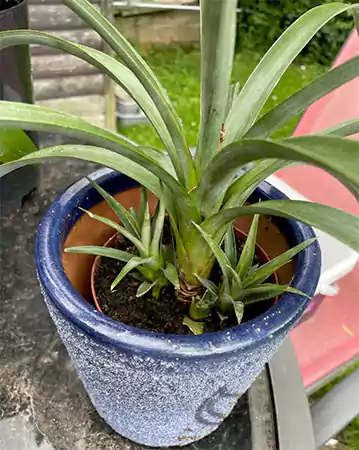
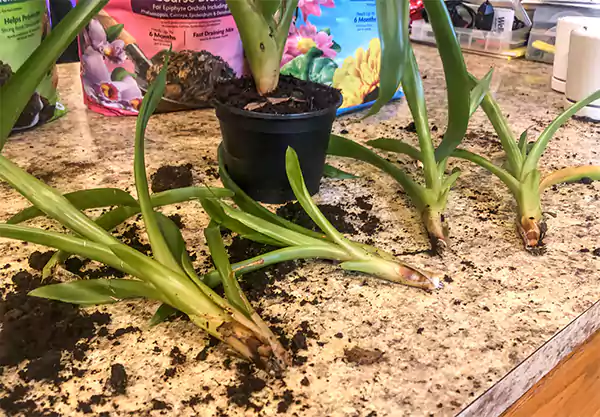
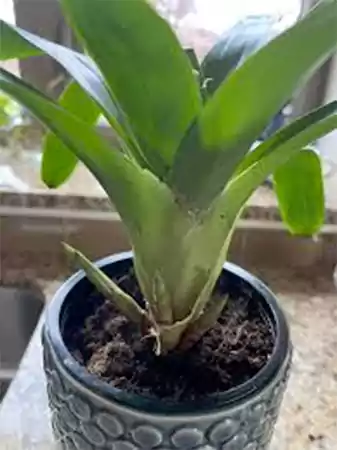
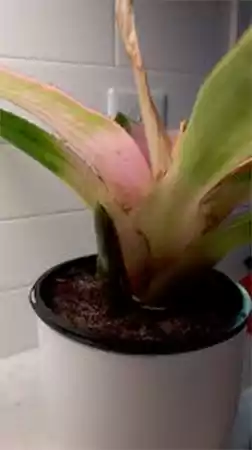
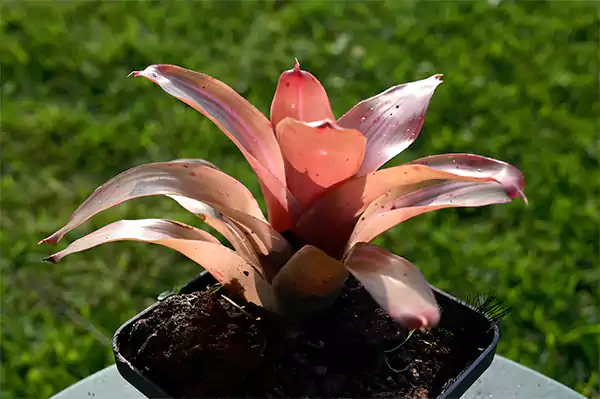
Propagating the bromeliad pups is important because it ensures that the plant does not overcrowd, and it keeps on blooming even after the parent plant has died.
Here is the simplest breakdown of how I propagate the bromeliad pups:
|  |
|  |
|  |
|  |
|  |
Common Queries and Solutions About the Bromeliads
The bromeliad plant only flowers once in its lifespan, and propagation is the only step to revive it; not knowing many such facts can lead to confusion that can make bromeliad plant care difficult.
I came across some Reddit queries that portrayed common user concerns that many gardeners have. Have a look and find out their simple answers
- Is my Bromeliad dying or just finishing its bloom cycle?
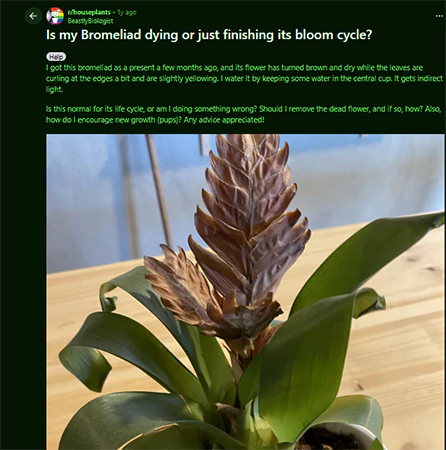
- The plant in this Reddit query has completed its bloom cycle, as it flowers only once in its lifetime.
- Pay attention to the browning of the leaves, which is an indication that the plant has completed its natural bloom cycle and needs to be repotted using the bromeliad pups that are grown on the leaves.
- How to best care for a bromeliad plant?
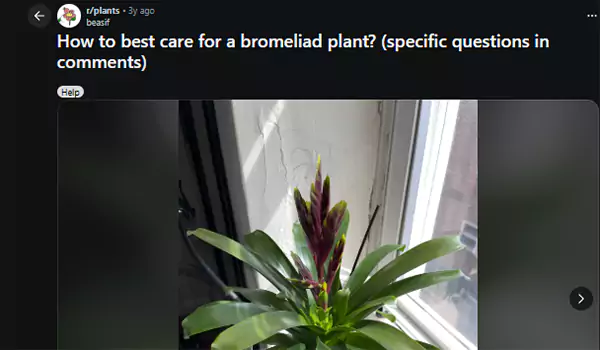

- No, it is not necessary to repot the plant, as it might stress it, and can cause damage. Also, the roots of the plants are not responsible for the nutrient absorption; hence, the pot size does not matter a lot.
- Yes, the bromeliads need bright indirect sunlight and should be watered through the leaves.
- Bromeliads need to be propagated once the plant reaches maturity, as it only flowers once.
Interesting Facts About the Bromeliad Flower
Isn’t it fascinating that this low-light indoor plant is watered on the leaves more than the roots? I love curating such fun facts about the plants I am growing and sharing them with gardening enthusiasts.
Take a look at a few fun facts about this tropical perennial plant:
- Many varieties of bromeliads are called ‘air plants’ and can grow without soil and water. These plants absorb the required nutrients to survive directly from the air.
- As the English lavender flower is associated with the zodiac sign Gemini, the bromeliads represent the Leo energy of being fierce and confident.
- Unlike most of the plants, the source of nutrients for the bromeliads is not their roots but their leaves; the roots are only responsible for the balance of the plant.
- Bromeliads are also known as air-purifying plants, and they remove harmful toxins from the air, making them an ideal option for indoor plants.
- According to ASPCA, the bromeliad plant is completely non-toxic for both cats and dogs, although eating leaves or any part of the plant can cause slight discomfort.
Concluding Remarks
The bromeliad plants are a low-maintenance upgrade for your living space, not only because they can survive on their own with minimal care, but they are also pet-friendly, which was my main concern as a pet parent.
Growing the bromeliad has been a rewarding journey, right from learning its unique watering requirements to the most exciting propagation steps, without the hassle of separating roots that can go wrong a lot of times.
I would suggest that anyone starting gardening should plant this perennial plant in their garden at least once.
Happy Gardening!
FAQs
Can Bromeliads grow in water?
The bromeliads cannot be grown in just water, as this can lead to root rot.
What kind of plant is a Bromeliad?
Bromeliads are classified as tropical herbaceous perennial plants.
How long do bromeliads last?
The bromeliads last for about 3- 5 years, but they produce flowers only once in their lifetime. The main plant produces the small ‘bromeliad pups’ that grow into individual plants.
- Your Bromeliad Will Flourish With These Expert Tips – Yahoo
- How to grow bromeliads– BBC Gardeners