“Careful minds build durable buildings; careless minds build rotten buildings!”
— Mehmet Murat Ildan (Author)
The facade of a house is the primary and foremost line of defense against damaging forces of nature. The type of roof and siding material used plays a crucial role, as it entails several implications on how the house looks and functions, how durable it is, and how difficult to maintain for a long period after the house has been bought. Thanks to engineering achievements, the owners of modern homes have access to the latest materials that have considerably better properties compared to traditional options, in terms of durability, resistance to bad weather, energy efficiency, etc. The present article describes the most important innovations in exterior materials that should be taken into consideration before buying a house.
KEY TAKEAWAYS
- First, identify the issues in your home exterior before even thinking about the repair.
- Material quality decides if it will survive the next winter.
- Metal siding looks beautiful and is extremely durable as well.
- Self-drying roofs and quality materials complement a nice-looking siding and make a coherent exterior look.
Why Your Home’s Exterior Materials Matter More Than Most Homeowners Realize
Your home’s exterior design plays a key role in deciding its long-term value. But the exterior material quality plays an equally important role. It also determines its maintenance costs and ability to withstand the weather events that every home faces over its lifetime. Inferior exterior materials create a compounding cycle of repair, replacement, and energy loss that costs homeowners significantly more over time than the initial savings on cheaper products ever justified. Beyond protection, materials play a direct role in energy efficiency, with the right choices reducing heating and cooling costs by improving insulation and reducing thermal bridging throughout the building envelope.
Understanding the Exterior Challenges Your Home Faces
Diagnose the problem before the solution. Understanding the specific threats your home faces is essential to making choices that will actually perform over the long term. Key considerations include:
- Regional climate conditions, including freeze-thaw cycles, heavy snowfall, intense UV exposure, high winds, and precipitation levels that vary significantly across different parts of the country
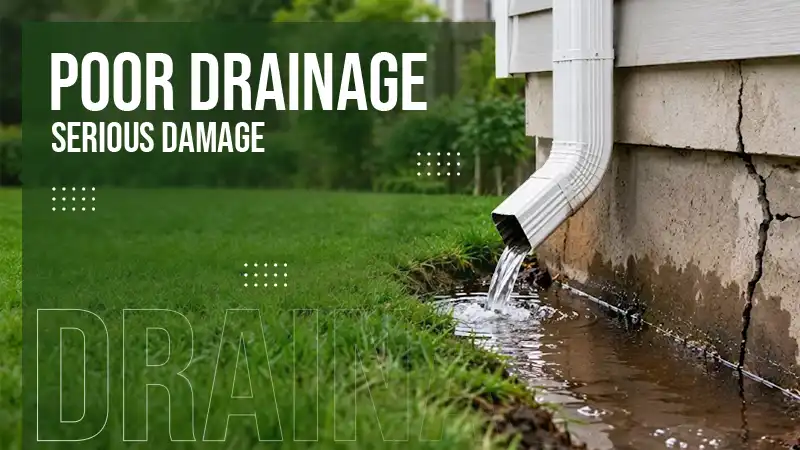
- Moisture management is the single most critical factor in exterior material selection, since poorly managed moisture destroys even structurally sound homes over time through rot, mold, and structural deterioration
- Thermal performance and how materials contribute to or undermine the overall energy efficiency of the building envelope throughout every season
- Cumulative environmental exposure from UV radiation, temperature cycling, biological growth, and wind-driven debris that degrades different material types at dramatically different rates
IroSteel’s Metal Siding: The Modern Standard in Durable and Beautiful Exterior Cladding
Metal siding has emerged as one of the most popular and highest-performing exterior cladding choices for homeowners seeking durability, low maintenance, and contemporary aesthetics. As a leading metal siding manufacturer Winnipeg homeowners and builders trust for premium residential and commercial applications, IroSteel has built a strong reputation for delivering cladding solutions that outperform traditional alternatives across every meaningful performance metric.
The specific advantages of IroSteel’s metal siding over traditional cladding materials include exceptional weather resistance that holds up against the most demanding climate conditions, impact resistance that withstands hail, debris, and physical contact without denting or cracking, and complete resistance to rot, pests, and the UV degradation that fades and deteriorates wood and vinyl siding over time. Fire resistance adds a layer of protection that neither wood nor vinyl can offer.
IroSteel’s metal siding is also available in a range of profiles, finishes, and colors that give homeowners the aesthetic flexibility to achieve virtually any exterior look from clean contemporary to traditional residential without compromising on the performance characteristics that make metal siding the superior long-term choice. The installation process ensures proper moisture management behind the cladding and contributes to improved thermal performance that reduces heating and cooling costs throughout the year.
FUN FACT
PVDF (Polyvinylidene Fluoride) coated aluminum structural components exhibit an outdoor service life of 20 to 30+ years without any substantial structural degradation, chalking, or severe color fading.
Roofing Materials That Complement High-Performance Siding
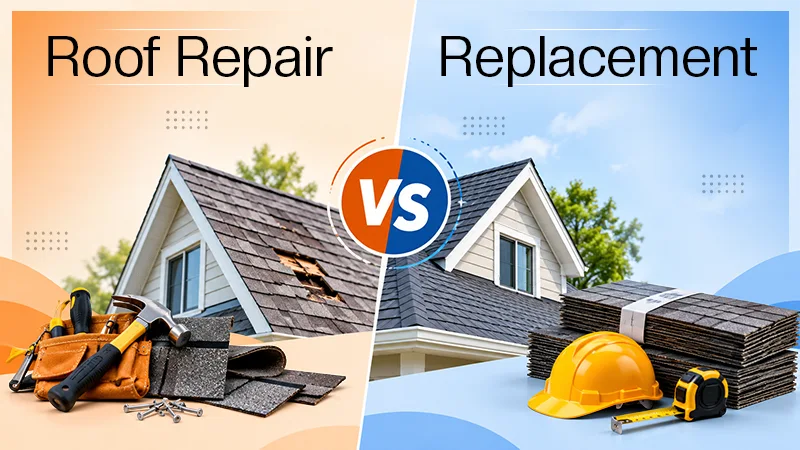
Your roofing and siding aren’t separate. They’re what makes the exterior. Asphalt shingles remain the most widely used roofing material due to their accessibility and cost, while metal roofing delivers superior longevity and weather resistance for homeowners willing to invest in long-term performance. Proper roof ventilation and high-quality underlayment maximize the performance and longevity of any roofing material chosen, which is why any roofing company South Carolina homeowners hire should treat those details as non-negotiable rather than upsells. Matching roofing and siding materials from a performance perspective creates a more unified and effective exterior building envelope.
Self-Drying Roofs: The Technology That Protects Your Home From the Inside Out
Self-drying roofs represent one of the most significant advances in residential roofing technology in recent decades, and homeowners who understand how self-drying roofs work consistently recognize them as a genuinely forward-thinking investment in the long-term protection of their property. Unlike traditional roof assemblies that can trap moisture within the system, where it causes progressive and often invisible damage, self-drying roof assemblies are designed to allow any moisture that enters the system to dry outward rather than accumulating within the layers where it destroys materials from the inside.
The science behind self-drying roof performance centers on the careful selection and sequencing of roofing materials that control vapor movement in a way that promotes drying rather than trapping. Key advantages of self-drying roof technology include:
- Significantly extended roof longevity by eliminating the moisture accumulation that causes premature failure in conventional roofing systems
- Prevention of mold and structural damage that results from trapped moisture working its way into the roof deck, rafters, and attic space over time
- Compatibility with solar panel installation and other roof-mounted systems that can introduce additional moisture management challenges if the underlying roof assembly is not designed to handle them
- Strong performance across different climate conditions, including regions with significant precipitation, high humidity, and pronounced temperature cycling between seasons
Working with experienced roofing professionals who understand self-drying roof assembly principles ensures that the system performs exactly as designed rather than being compromised by installation shortcuts or material substitutions that undermine the moisture management function.
Windows and Doors: Completing the High-Performance Exterior Envelope
Then come the moving parts of the exterior system: windows and doors. They represent the most vulnerable points in any home’s envelope, and high-performance options address those vulnerabilities in ways that standard products cannot. Energy-efficient windows rated for your specific climate, with appropriate U-factor and solar heat gain coefficient values, reduce heat transfer significantly compared to standard glazing. Entry and patio doors with quality weatherstripping, proper threshold design, and appropriate material selection for your climate complete the exterior envelope by eliminating the air and moisture infiltration that undermines the performance gains achieved through quality siding and roofing upgrades.
Building a Complete High-Performance Home Exterior
An integrated exterior system consists of: metal siding, self-drying roofing technology, and high-performance windows and doors. All of these work together to genuinely make the home exterior greater than the sum of its parts. Each component addresses specific vulnerabilities in the building envelope, and together they create a home exterior that protects reliably, performs efficiently, and maintains its appearance with minimal maintenance for decades to come. Investing in a complete high-performance exterior rather than addressing individual components in isolation consistently delivers better long-term value and a more satisfying homeownership experience in every climate and every season.
FAQs
When comparing self-drying roofs with traditional roofs, what are the differences?
Self-drying roofs allow moisture to escape through proper material layering while traditional roofs can trap moisture in the internal layers.
Is it necessary to maintain metal sidings frequently to avoid rusting?
Premium metal sidings such as IroSteel come with coatings that protect the metal siding from any rust or fading issues. This means that it is almost maintenance-free.
What is the significance of U-factor and SHGC in windows?
U-factor is the measure of how efficiently windows prevent heat loss, while SHGC is the measure of how much solar heat is blocked.