

Though a sloping garden may pose a challenge in making it accessible, it is possible to transform the uneven space into a useful one by building a good retaining wall.
Concrete sleeper retaining walls are commonly constructed by people in search of a tough construction as well as a finish that matches the landscape around it. That said, a wall that appears as one may not necessarily be tough depending on how it has been designed.
It requires proper selection of the concrete strength and reinforcement used, along with the inclusion of steel posts and a drainage system to perform well. It is advisable to learn about all these specifications before embarking on such a project.
Why Choose Concrete Sleeper Retaining Walls?
Concrete sleepers are precast panels installed horizontally between vertical steel posts secured in concrete footings. Together, these components form a system designed to resist pressure from the soil behind the wall.
As opposed to timber, the concrete sleeper does not decay or attract termites, thus making it suitable for use in an open environment. Concrete also performs well under various weather conditions if installed properly. The homeowner will have an option to choose from either smooth, rough, or timber-finish concrete sleepers.
Although concrete sleepers require little routine maintenance, the wall still needs proper planning and construction to remain stable over time.
Understanding Concrete Strength Grades
Concrete strength is measured in megapascals (MPa), which indicate its compressive strength under standard testing conditions. Residential retaining wall sleepers commonly come in grades such as 40 MPa and 55 MPa, depending on the product and intended application.
While a sleeper with a rating of 40 MPa may be sufficient for some residential construction projects, there are many high-strength sleepers available for various uses. Higher MPa numbers don’t guarantee a sleeper’s applicability for any wall. There are other considerations that need to be accounted for as well.
Before purchasing, check the manufacturer’s specifications and confirm that the selected sleeper is suitable for the proposed design.
Durability and Reinforcement
Concrete sleepers are usually reinforced using steel to give them strength against bending due to soil pressure on them. Reinforcement structure, cement quality, and manufacturing process play a significant role in determining the quality of the final output.
Exposure conditions also matter. Coastal environments, salt exposure, and moisture can increase the risk of corrosion if the materials are not appropriately designed and protected. Concrete cover, mix design, and the condition of the steel components should match the requirements of the site.
Homeowners should look for clearly documented product specifications rather than choosing sleepers based on appearance alone. Proper handling and installation are equally important for achieving the expected service life.
Choosing the Right Size and Steel Posts
Concrete sleepers are available in different lengths, heights, and thicknesses. Longer panels may reduce the number of posts required, but they also span a greater distance and may experience higher bending demands.
The steel posts hold up the sleepers and carry the load exerted by the retained soil down to the footing. The size and spacing of the posts should be chosen depending on the height of the wall, its loading requirements, and the strength of the sleepers.
Avoid relying on general rules of thumb when designing a retaining wall. A qualified professional can determine the appropriate dimensions and post specifications for the particular site.
Why Drainage Is Essential
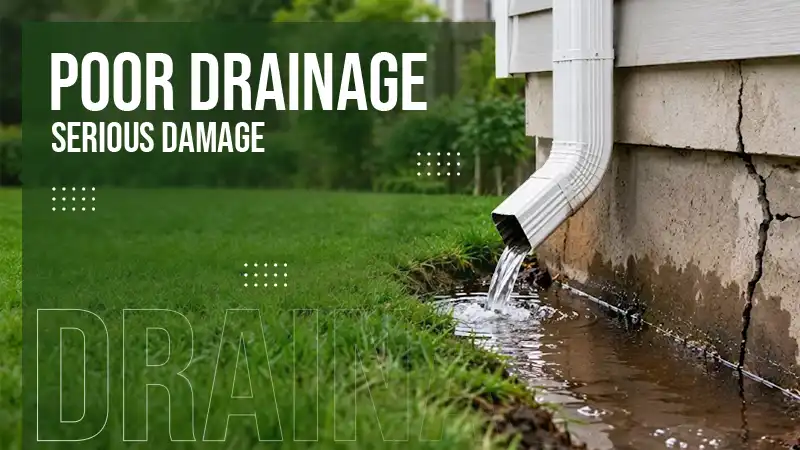
Water accumulating behind a retaining wall can increase pressure and contribute to movement, cracking, or failure. Even a wall built with strong materials can experience problems if drainage is inadequate.
A good drainage system can involve the use of drainage aggregate behind the sleeper, a drainage pipe underneath the soil, and an outlet for the collected water. The exact system will depend on the specific project.
Backfill should also be placed and compacted carefully. Poor drainage or inappropriate compaction can place additional pressure on the structure, reducing its long-term reliability.
Selecting Quality Concrete Sleepers
Strength rating, reinforcement information, product size, finish, and technical information should be taken into account when comparing products. It may be useful to see if the products have any engineering information applicable to the specific retaining wall system.
For example, the concrete sleepers from Australian Landscape Supplies include options with different strength ratings and finishes, helping homeowners compare products for residential landscaping projects. Reviewing the specifications for each product can make it easier to identify suitable options before discussing the design with an installer.
The cheapest sleeper is not necessarily the most economical choice over time. Selecting suitable materials from the beginning can help reduce maintenance concerns and avoid costly changes during construction.
When Professional Advice Is Necessary
Retaining wall requirements depend on factors such as wall height, soil characteristics, nearby structures, boundary conditions, and loads from driveways or buildings. These factors can significantly affect the design.
Depending on the local regulations and conditions, professional consultation may be needed. This should be ascertained by homeowners prior to construction, especially where there are tall walls, slopes, or walls carrying loads.
A qualified professional can assess the ground conditions, specify suitable materials, and determine the appropriate footing and drainage arrangements.
Conclusion
Concrete sleeper retaining walls provide homeowners with a sturdy and flexible solution for dealing with differences in the level of their gardens. It depends on choosing the right strength classes, reinforcement, steel columns, and drainage options.
By checking product specifications, understanding local requirements, and seeking professional advice when necessary, homeowners can make informed decisions and build a retaining wall designed for long-term stability.
FAQs
Define what a concrete sleeper retaining wall is?
A concrete sleeper retaining wall involves using prefabricated concrete panels in a horizontal position between steel posts positioned vertically. It is used to retain soil, handle sloped terrain, and create flat surfaces for gardens, walkways, and outdoor activities.
What is the life expectancy of concrete sleeper retaining walls?
Concrete sleeper retaining walls have the potential to offer long-term performance as long as they are made, installed, and designed in a proper manner.
Is steel required in concrete sleepers?
Yes, concrete sleepers have steel reinforcement to withstand bending from soil pressure. Steel reinforcement must be compatible with the specifications and retaining wall designs.
How do you ensure you select the right sleeper and steel post size?
The size and strength of the sleepers and steel posts are determined by wall height, span of the wall panels, soil composition, proximity of other buildings, and other loads on the wall. A qualified person needs to determine the right sizes and spacing.