Owning a home in the United States is not only a symbol of stability but also a complex mechanism that requires constant calibration and attention. Underestimating the impact of small household issues, which, if ignored, can turn into financial disasters on a regional scale.
Fundamental Mistakes: How Water Destroys Capital
One of the most costly errors to overlook is the gutter system and the soil grading around the building. When the gutter system gets clogged with leaves or debris from the construction site, rainwater starts to overflow and accumulate around the foundation of the house. This results in oversaturated soil and increased hydrostatic pressure on the basement walls. Water seeps into the smallest opening in the concrete foundation. Many homeowners underestimate how quickly these issues escalate if they don’t also rely on professional plumbing maintenance services, which can help detect leaks and prevent minor water problems from turning into structural damage. Eventually, ignoring these measures results in significant damage to the building, for which repairs in states like New Jersey or Pennsylvania can cost between $15,000 and $40,000 USD.
Climate Control and Hidden HVAC Threats
Another critical aspect is operating heating and air conditioning systems without proper servicing. Most homeowners remember the existence of air filters only when the unit can no longer handle the heat or cold, pushing the equipment to critical wear. A dirty filter restricts airflow, forcing the motor to run at higher speeds, which not only shortens the lifespan of an expensive unit but also inflates electricity bills.
The performance of the ventilation system directly affects the overall operating costs of any property. A homeowner needs regular energy-efficiency audits because clogged heat exchangers and refrigerant leaks can quietly increase monthly expenses by 15–20%. In southern states such as Florida or Texas, an AC breakdown in mid-July becomes not just a financial issue but a serious household problem.
The Economics of Ignoring Problems: The Real Cost of Delay
Many property owners mistakenly believe that if a device is working, it does not require investment. We have prepared a comparative analysis of typical tasks to show how small savings on consumables turn into a debt trap. The data is based on average market rates across the United States in 2026.
| Maintenance category | Minor preventive action | Average preventive cost (USD) | Likely failure repair | Average failure cost (USD) |
| Plumbing system | Annual water heater flushing | 120 | Full tank replacement | 1,800 |
| Roofing and attic | Replacing damaged shingles | 400 | Mold remediation and structural repair | 12,000 |
| Electrical safety | Testing AFCI and GFCI outlets | 50 | House fire restoration | 45,000 |
| Exterior walls | Caulking windows and doors | 150 | Siding rot replacement | 7,500 |
| Sewer line | Tree root chemical treatment | 100 | Main line excavation and replacement | 9,000 |
| Appliances | Dryer vent professional cleaning | 140 | Appliance motor failure or fire | 3,500 |
As shown by the figures above, the cost ratios between preventive maintenance and emergency repairs reach into the hundreds of percent. Most of these expenses can be completely avoided by following a scheduled inspection plan.
Hidden Enemies: Roofing and Attic Spaces
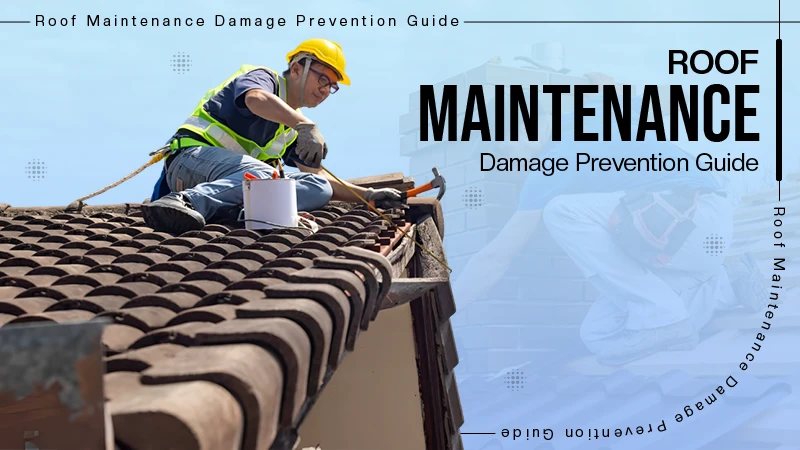
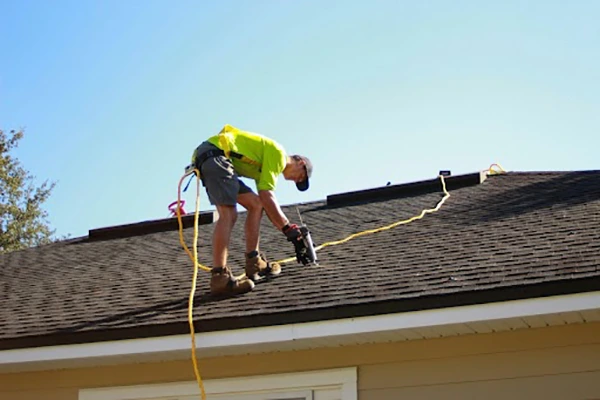
The roof is the first line of defense for a building, and a single missing shingle can lead to a system of rot in the rafter system. This is exacerbated by the fact that a leak can go unnoticed for months, during which time moisture accumulates in the insulation, providing a perfect environment for black mold to develop. Despite advances in membrane materials, condensation in attic spaces due to inadequate ventilation remains a major problem in older homes in New England.
To minimize risks, it is recommended to implement the following essential procedures:
- Regular inspection of roof flashing around chimneys and ventilation shafts;
- Checking soffits for blocked airflow caused by bird or insect nests;
- Testing the seal integrity of skylights after each winter season;
- Monitor rafters for water stains or a noticeable musty smell.
After carrying out these checks, it becomes essential to document all the problems identified and develop a plan to deal with them in the coming months. This ensures that the load on the home budget is spread out and prevents a situation where many home systems may need emergency attention.
Landscaping and Exterior Utilities
Many people forget that trees and shrubs around the house are not only a source of shade and comfort but also a potential threat to underground utilities. The roots of large plants can grow through the joints of sewer pipes, causing blockages that cannot be cleared with standard chemical cleaners. This, in turn, leads to wastewater backing up into living spaces, turning a home into a biohazard zone within hours.
Pay attention to how quickly water drains in sinks and toilets, noting any changes in plumbing performance. Sometimes, unusually lush and green grass in a specific area of the yard is the first sign of a hidden leak in the main line. Calling a specialist for pipe video diagnostics in time helps avoid costly lawn excavation and full line replacement.
In Conclusion: The Philosophy of Responsible Ownership
Creating a durable and safe living environment requires a systematic approach and an understanding of how different engineering systems interact. The most successful homeowners treat their property as an asset, which is why discipline in home maintenance becomes the foundation of your financial well-being and the safety of your entire family.