


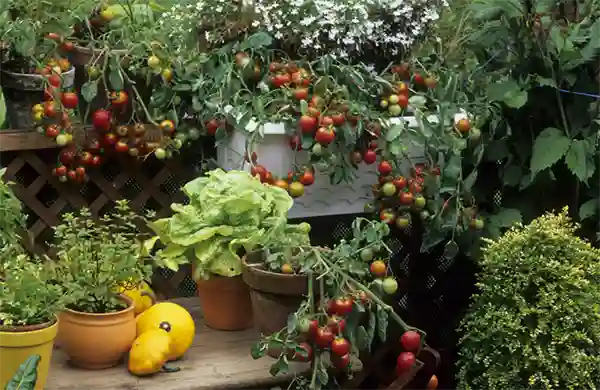
More and more people want to grow their own food. In fact, RubyHome found that more than 40% of Americans are currently growing their own food at home. This is an increase from 35% previously.
Not everyone, however, has the space of a large yard to grow their own vegetable garden. Some people live in flats. Others have kids and animals. And some will be at war with local wildlife to keep their backyard pest-free.
For whatever reason, it can be tough. But there has to be a better way to get started growing food, right? Perhaps even in your own home?
Fortunately, there is! Hell, there’s more than one way to do it. Indeed, here are three very simple ways to find you. Try one (or all) of them, and you’ll be growing your own food in no time.
Key Takeaways
- Understanding how to regrow the kitchen scraps.
- Analyzing why the cultivation of microgreens is important.
- Assessing how to grow herbs on a windowsill.
1. Regrow Kitchen Scraps
We’ve all made a recipe and been stuck with a bunch of cutoffs. Vegetables are chopped up and bits are left in the trash. These kitchen wastes don’t have to be thrown away. Actually, you are missing an opportunity.
There are some foods and vegetables that can be grown from these cut-off roots or bases. Certain vegetables are top contenders for this. Think celery, garlic, green onions, lettuce, and scallions. Even some herbs – basil and mint, for example – can be regrown.
But how do you get there? Well, it’s easy. Usually, all you need to do is place the root or base in a shallow bowl of water. New shoots will typically appear in a matter of days. Garlic is grown by planting the cloves directly in the soil. It is best for ginger roots too.
2. Cultivate Microgreens
If space is at a premium, microgreens are the answer. They are very easy to grow indoors, and most are ready to be harvested in seven to 14 days. You will save some money growing them, especially considering the cost of purchasing them. This is especially true if you are looking for high vitamin content for garnishes and smoothies.
You can learn how to grow broccoli sprouts at home with a little research. It’s relatively easy. If you’ve got shallow trays, potting mix, seeds, and light, you’re sorted. Other microgreens to cultivate include kale and radishes
Sprinkle the seeds thickly over the moist soil. Leave them covered for two or three days. The seeds germinate in the dark. After this time, put the tray somewhere bright. Water the ground every day. When the sprouts reach 2 to 3 inches in height, it is time to harvest; have your scissors ready.
3. Grow Herbs on a Windowsill
Everyone has a free windowsill. This is a great place to grow some herbs – especially for beginners. Not only can you maintain them year-round, but you’ll also bring a little aromatic greenery into your home. The benefits are numerous. You just need to select the right windowsill and herbs.
South-facing windows are best. They get maximum sun, and this prevents plants from getting weak. The best herbs depend, of course, upon your experience level. For example, chives and parsley are both hardy plants that grow well in smaller spaces. Basil, on the other hand, needs to be harvested regularly.
Getting started varies. You could start from seed or even pot up small plants from the garden centre – and the latter gives quicker results.
To conclude, there’s no need for a large yard if you want to grow your own food. An indoor space is plenty. Whether it’s a windowsill or a bowl of water, you’ll have your own veggies in no time.
The Bottom Line
Growing your own food at home doesn’t require a lot of money or a lot of trouble. It’s the little things like planting herbs, using containers, or starting with easy vegetables, that can make a big difference. Home gardening is fresh produce, but also relaxation and satisfaction. But eventually a small garden can be a rewarding part of life. The good thing about it is, you can start with very little space and experience.
FAQs
Why is it called grow food?
GROW’ foods are foods that contain protein. Protein is needed for the growth and repair of body tissues. These include meat, poultry, fish, and legumes, such as lentils and beans. GLOW foods are foods that are high in vitamins and minerals. These nutrients are important for your health, for glowing skin and strong bones.
What is the 3-3-3 rule for food?
Use the 3-3-3 rule. Pick 3 different sources of protein, 3 sources of fat, and 3 sources of carbs (all veggies and fruit count as 1 each). This may not seem like a lot of variety, but you can create thousands of combinations using endless types of spices and methods of cooking.
How to stay safe when gardening
Wear a hat and use sunscreen often. Have a drink of water or juice but no alcohol. Protective shoes, lightweight, comfortable clothing to cover exposed skin, a hat and gardening gloves. Securely store garden equipment.
How to protect the inside of raised beds?
To protect the wood some gardeners place a liner between the soil and the inside of the raised bed. Even with the liner, you will have water seepage that will soak into that wood and stay there. Therefore, instead, I propose a lining with a wood preservative.

How to Plant Sweet Potatoes: Step-by-Step Guide
[…] looking for easy ways to grow food at home, it’s just as important to be aware of common mistakes many people make. I’ve had […]