A peaceful garden requires more than just healthy plants and fresh soil. Poor space usage, crowded paths, and badly placed structures create stress for both people and animals.
Minor layout tweaks can enhance comfort, reduce maintenance requirements, and support daily care. This is why it’s important to create a practical plan that begins with set priorities instead of random upgrades. A reliable Chicken coop buying guide can also help match the size and placement requirements with the garden before anything begins.
This article explains simple layout changes that create a calmer, healthier, and more productive outdoor environment.
Create Clear Activity Zones
A well-planned garden functions best when every area serves a clear purpose. Create different spaces for vegetables, flowers, seating, and poultry to reduce confusion and keep regular tasks straightforward.
Clear boundaries also prevent damage to delicate plants. Every section feels more organized and easier to maintain.
Why Clear Zones Matter
- Reduce foot traffic across planting areas
- Keep garden work simple and organized
- Protect flowers and vegetables from damage
- Create quiet areas for rest
- Improve access for routine care
Place the Coop Away From Main Gathering Areas
A chicken coop needs enough distance from patios and outdoor seating. Proper placement helps reduce noise near relaxation spaces while giving birds a quiet environment. Easy access remains important for daily feeding and cleaning. Shade and airflow also improve comfort throughout the year.
Why Coop Placement Matters
- Reduce noise near outdoor seating
- Support better air movement
- Keep routine care simple
- Protect birds from excess heat
- Leave room for future garden updates
Add Natural Borders Between Spaces
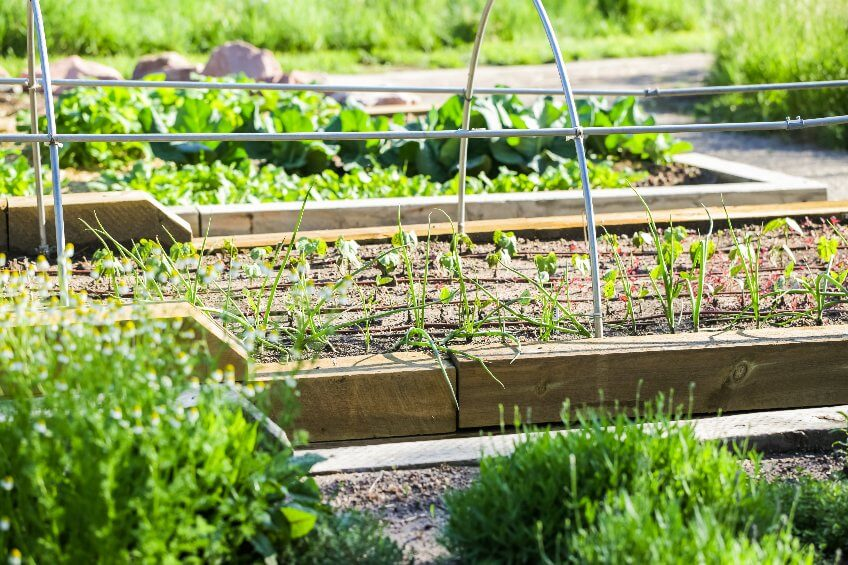
Low shrubs, raised beds, or decorative fencing develop a gentle separation between multiple garden sections. Borders guide movement while also safeguarding fragile plants from accidental damage.
Natural dividers also improve visual balance across the yard. A simple border creates structure without making the space feel closed.
Why Borders Help
- Define each garden section
- Protect delicate plants
- Improve the overall appearance
- Guide movement through the yard
- Create better privacy
Leave Wide Walking Paths
Comfortable walkways make every part of the garden more accessible and easy to reach. Wide paths allow wheelbarrows, watering cans, and garden tools to go around without facing much difficulty.
Stable surfaces also reduce mud after rain. Simple access saves time during routine maintenance.
Why Wide Paths Help
- Improve access to every section
- Reduce soil compaction
- Support easier maintenance
- Keep tools easy to transport
- Improve safety during daily work
Use Plants That Support A Healthy Environment
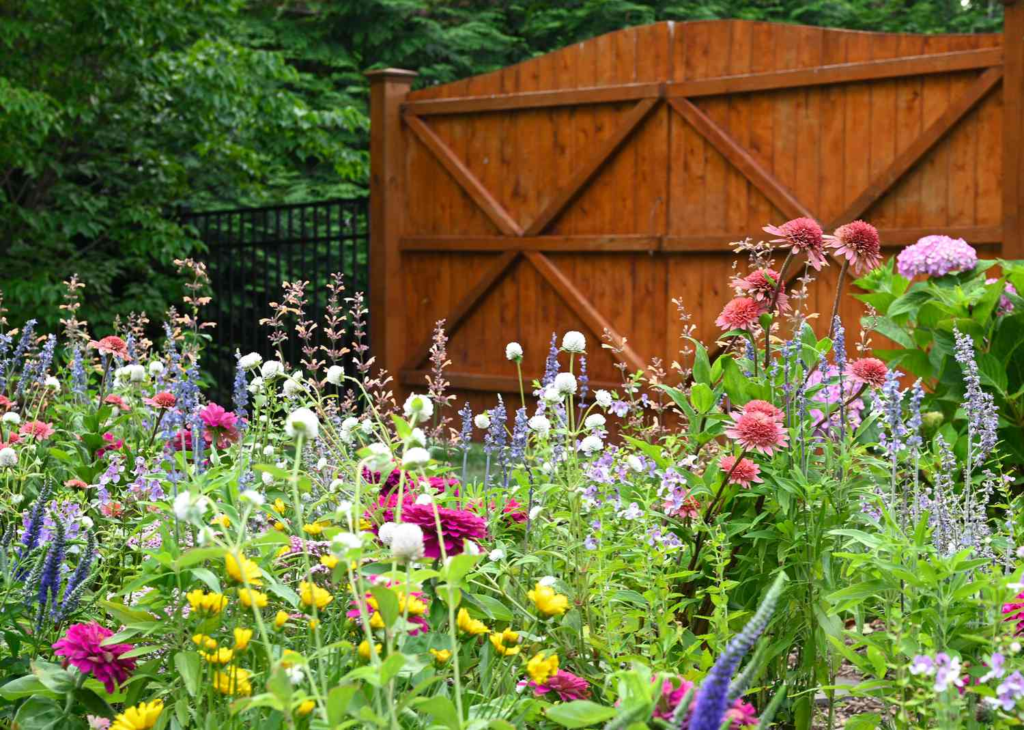
Plant selection impacts the entire garden ecosystem. Native flowers, herbs, and shrubs attract pollinators while also contributing to enhancing natural beauty. Dense planting around fences provides a bit of cover from the wind. Healthy plant choices assist both crops and backyard animals.
Why Plant Selection Matters
- Encourage pollinators
- Improve natural shade
- Reduce soil erosion
- Support healthier garden growth
- Create seasonal variety
Plan Water Access Carefully
Water sources must remain easy to access from every section of the garden. Shorter hose route distances reduce effort during regular care.
Good drainage also prevents muddy areas around plants and poultry spaces. Simple planning keeps maintenance efficient throughout the year.
Why Water Planning Helps
- Save time during watering
- Reduce standing water
- Protect plant roots
- Keep coop areas cleaner
- Improve garden health
Keep Storage Close to Work Areas
Garden tools, feed containers, gloves, and supplies work best inside a nearby storage space. Short travel distances make routine jobs faster and reduce unnecessary movement across the yard. Organized storage also protects equipment from weather damage. Clean spaces support better daily habits.
Why Nearby Storage Helps
- Reduce daily effort
- Protect garden equipment
- Keep supplies organized
- Save valuable time
- Improve overall efficiency
Match Coop Size With Garden Space
Large structures can quietly overwhelm small gardens, while small coops create crowding for birds. A balanced layout leaves ample amounts of room for plants, walking paths, and maintenance access.
A detailed Chicken coop buying guide helps evaluate available space before installation. Proper planning creates a comfortable environment for both the flock and the garden.
Why Proper Sizing Matters
- Prevent overcrowding
- Leave room for garden growth
- Improve daily access
- Support flock comfort
- Balance the overall layout
Choose Features Before Purchasing
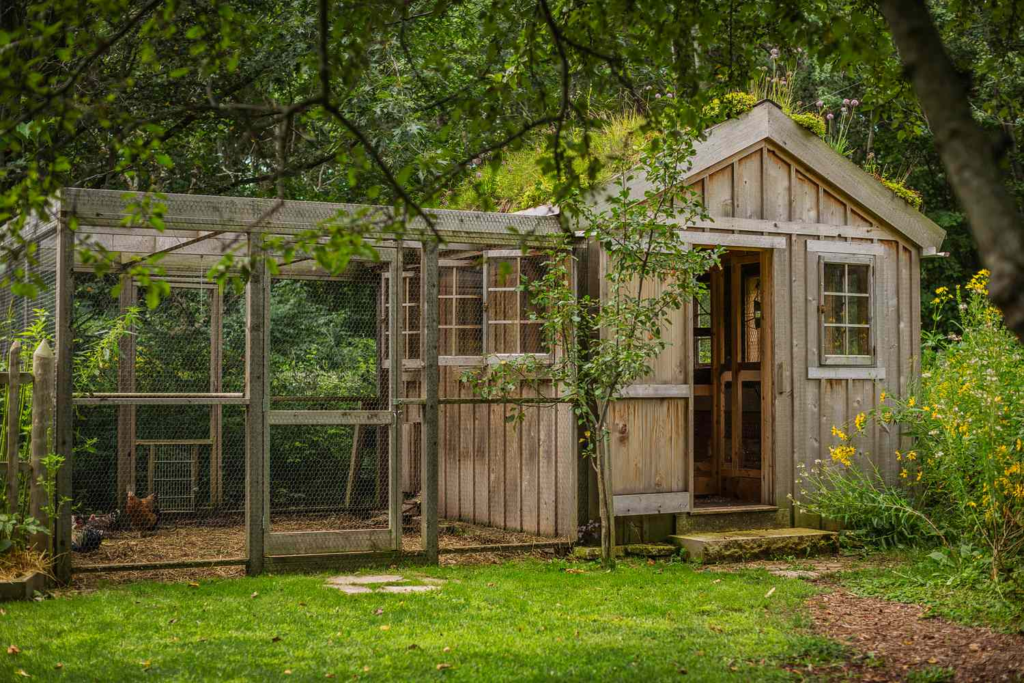
Selecting the right coop features before purchase prevents costly changes later. Practical details improve daily care and long-term convenience. Careful planning also helps match the coop to the overall garden layout.
Helpful Features to Compare
- Easy-clean access doors
- Strong predator protection
- Good roof ventilation
- Nest box accessibility
- Durable weather-resistant materials
Small layout improvements develop a garden that feels peaceful, organized, and easier to maintain. Clear zones, practical paths, smart water access, and thoughtful coop features all contribute toward a healthier outdoor space.
Careful planning assists plants, backyard poultry, and daily routines without unnecessary effort. A balanced layout provides lasting comfort while helping every part of the garden thrive naturally.
FAQs
Why must storage be kept close to work areas?
Garden tools, feed containers, gloves, and supplies work best inside a nearby storage space. Short travel distances make routine jobs faster and reduce unnecessary movement across the yard.
What are the benefits of natural borders placed between major sections?
The following are the benefits:
- Define each garden section
- Protect delicate plants
- Improve the overall appearance
- Guide movement through the yard
How does proper water drainage help?
Good drainage prevents muddy areas around plants and poultry spaces. Simple planning keeps maintenance efficient throughout the year.