Alt: Home Foundation Renovation
“An ounce of prevention is worth a pound of cure.”
— Benjamin Franklin (US Founding Father)
A home’s foundation is mostly hidden from homeowners’ and visitors’ view. So, it’s very easy to overlook its condition. Yet it’s that base structure supporting every wall, floor, and structural component above it. Even minor house base problems can snowball into expensive repairs if left unchecked. The good news is that most issues don’t appear overnight. Regular inspections, effective drainage, and timely maintenance can help you spot warning signs early and keep your home structurally sound for years to come.
Start With Routine Inspections
The most straightforward way to keep an eye on your house base is to give your house a walk-around a couple of times a year, inside and out. Keep your eyes peeled for new cracks on your walls, floors that don’t feel level, doors that stick or don’t shut off properly, or gaps near your windows.
While small cosmetic issues are normal, if you notice things changing over time, it could be a sign that’s something is moving underneath. Don’t forget to check the foundation itself for any crevices, moisture, or shifting soil.
Keep Water Away From the Foundation
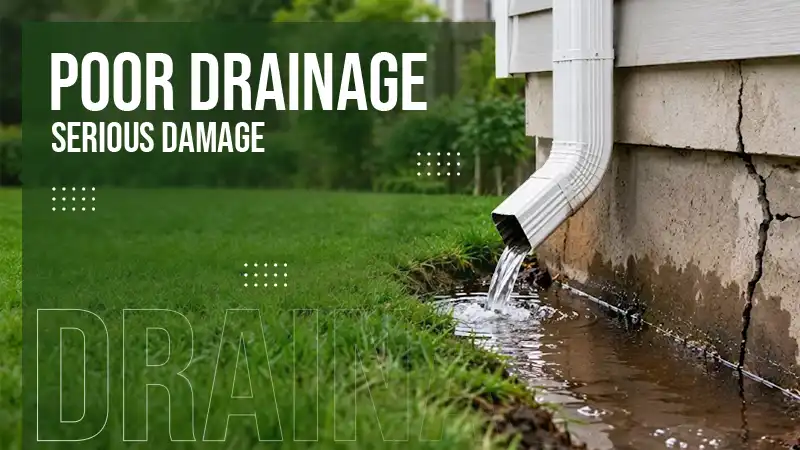
Water is a house’s worst enemy. When the soil around your foundation gets waterlogged, it protrudes. When it’s dry, it shrinks. Repeated enough times, this cycle of expansion and contraction can stress your house base. Over time, it leads to cracks or shifting.
To protect your foundation from flooding, make sure your gutters are clean and direct rainwater several feet away from the house through properly positioned downspouts. Your landscaping should also slope away from the house base. If you notice water collecting around your house, you might need to adjust your yard’s grade or explore better drainage options.
Know When Professional Help is Needed
While preventive upkeep goes a long way, some situations require expert evaluation. If you notice that existing cracks are getting bigger, you have ongoing moisture issues, or you see signs of your house shrinking, it’s time to call the professionals.
Numerous homeowners in similar situations often seek specialists in foundation repair Richmond VA to assess structural conditions, recommend appropriate solutions, and restore long-term stability. Addressing foundation issues promptly not only protects the home’s construction but may also prevent additional damage to plumbing, flooring, and interior finishes.
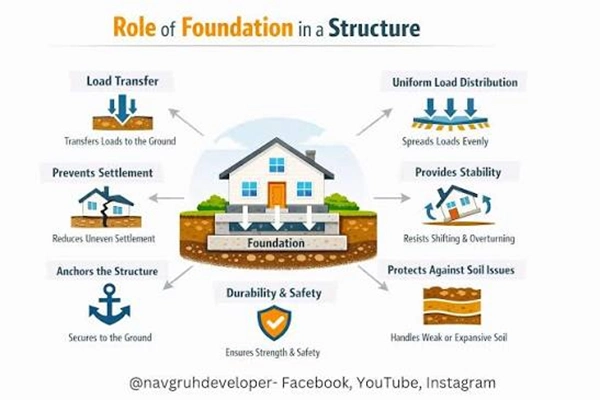
How vital a house base is to the home is described in the infographic:
Protect the Soil Around Your Home
The ground surrounding your house base plays an important role in supporting the structure. Keep the soil moisture level consistent. It helps reduce excessive expansion and contraction that can contribute to foundation movement. During dry periods, give the soil near the house base a light watering, especially if you have certain types of soil.
However, try not to overwater those garden beds next to the house. Choosing plants with medium water requirements and placing larger trees a safe distance from the home can also minimize root-related issues.
Stay Proactive With Home Maintenance
A firm foundation is just one piece of keeping your home in tip-top shape. Keep up with any leaky pipes, replace broken gutters, fix cracks on the exterior of your house, and check for any humidity or moisture in your basement or crawl space.
Planning professional inspections, especially for older homes, can provide added peace of mind and identify developing concerns before they escalate.
Conclusion
Taking care of your house foundation doesn’t have to be a daunting task, but it does require consistency. By keeping an eye out for signs of damage, managing water carefully, looking after the ground surrounding your house, and bringing in the experts when required, you can help preserve your house base and ensure your home’s safety.
FAQs
How often to inspect my home’s foundation?
A visual inspection at least twice a year, ideally during the spring and fall, is recommended.
What are the first signs of foundation problems?
Common early warning signs include new or widening wall cracks, uneven floors, sticking doors or windows, gaps around frames, and visible cracks in the house base itself.
Can poor drainage damage a home’s foundation?
Yes. Excess water causes the surrounding soil to expand, while dry conditions cause it to shrink. These repeated changes can lead to house base movement, cracking, and settlement over time.