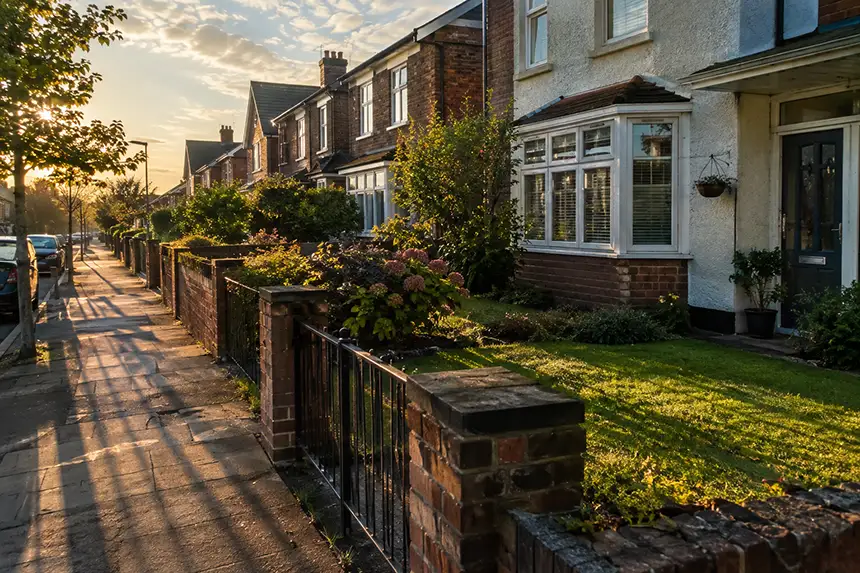
You noticed there is a stubborn corner of a garden where difficult to grow. A wall steals the sun from your corner. You can spend most of your budget on a renovation of your kitchen, replacing the roof, or breaking the wall of your backyard, but you face hurdles: that corner still falls in shade at noon.
This is a frustrating thing about the location you choose. You cannot change some things after you buy your house.
Most buyers spend more time reviewing the work surface than thinking about the life they really want.
Your commute, grocery store, internet connection, deliveries, traffic noise, and even the amount of sunlight in your yard become part of your everyday routine.
What You Can Change and What You Cannot
You can change plenty in a house if your budget allows it. Walls can come down, kitchens can move, gardens can be rebuilt, and tired rooms can get a new start. The address looks different when the papers are signed; the road outside, the direction of the garden, the neighbors, the commute, and the land beneath your feet come with the deal you made.
That is easy to ignore when the mess around you seems a little weird. A long drive to work or travel to the grocery store may seem harmless during a viewing. Take time, and this will make a difference.
YourHomify’s home value and real estate agent reviews make you more informed about local areas before buying.
Before you make an offer, write down what you can fix and what you simply have to live with. That checklist saves you more, and you become guilt-free.
Fun Fact
You can change almost everything about a house. You cannot change where it is.
The Journey You Will Actually Make
If you visit a place you want to buy, take the journey on a busy day. A normal day viewing tells you almost nothing about the commute you will repeat for years.
Try to make the route when you are actually travelling across the streets. Driving during rush hour, try to take the bus or train, and check weekend schedules if you depend on public transport. Pay attention to the delays that happen, parking areas, traffic signals, and how you get exhausted when you arrive at your destination.
You saw that distance alone is not a major issue. A slightly longer route makes you feel more easier than a shorter route full of traffic and parking situations.
The U.S. Census Bureau reported that the average commute in a single way is 27.2 minutes in 2024, and 9.3% of workers travel for almost an hour during their schedules.
Test your routine and real path before you buy a house; it’s important to do and not very easy.
Quick Insight
Try to maximize your daily commute minutes after you seem comfortable. This is a small step but eventually creates a bigger impact.
What Reaches Your Door
Before you buy a house, check what is actually reaching you. A beautiful kitchen looks more beautiful when your internet speed is better, your grocery store doesn’t take long to travel to, or the nearest medical shop is about 10 minutes away.
Your address is majorilty controls all your surprising amounts in your life, from connections and delivery duration to an emergency and your daily waste disposal. GPS and other location systems help you to connect to services smoothly, even if you are not seeking all that small checks.
Firstly make a decision and walk through the streets. Check connectivity at the point of location where you find most, not just the provider’s coverage map. Ask about the type available for your speeds, and installation.
This will also guide you to the Technology, restructuring home and domestic stuff in a way that everybody misses.
Then you should inspect such stuffs: groceries nearby, delivery channels, tradespeople across the street, local pharmacies.
The inconveniences you face become your daily headache, and they are easily forgotten when you are busy thinking about living nearby.
The Extreme Version of This
Many problems that you face become general when you try to spend time at the property you want. Traffic at 8 AM is most frustrating, while the street that feels to be very calm during roaming around becomes busy after sunset.
The garden has another story when in raining days. Poor internet can also turn a home into a disaster if you work remotely at home.
You should not judge according to the list. Visit during work time and in the evening to inspect clearly. Open the windows and try to listen to things around. Check parking areas when people are actually in the house.
When the condition of home detention, it really shows how an address matters. When movement is restricted to one place, its space, the environment, and daily activities suddenly matter to you most. The house stops being an address and becomes your entire world.
Worth Checking: On rainy days, the standing water can create a nuisance around your path and remains on usual days. Try to notice patches around, block drainage water, and dirty water flowing towards your lawn area. If it does, try to communicate with someone who actually helps you with this.
The Things You Stop Noticing
Some disturbances fade fast when you ignore them. The road you worried about before moving becomes quiet, or you stop noticing too much.
You learn the schedule, find the route that is safer or has less traffic around school areas, and you will stop thinking about that missing bus that you usually take. But that doesn’t mean the inconvenience has disappeared.
What is worth reading changes during this session. A garden that looked sunny during a summer viewing falls suddenly into shades of some tree or walls nearby.
Before you buy, try a simple experiment some things that you should add. Spend some time tracking your actual travel, ensuring your transport costs, delays in package delivery, noise around, and little stuffs you ignore the most. It looks boring, but it can show more than another viewing at some other location.
Did you know? Familiarity makes a place easier to live with, not necessarily cheaper or more convenient.
Where You Are Is Most of What You Get
The listing doesn’t include the network signal strength or workday timing. Even these affect you more than a relaxing Sunday has.
Before you decide, visit on a normal weekday evening. Sit there for a while. See what the roads, traffic, noise, and local services actually feel like to you when people are living their lives.
Have you already moved? Give the place a fair chance. Learn the shortcuts, find the useful shops across streets, and notice what makes the area work for you instead of comparing it with the home you pictured during the viewing.
You can repaint a room or replace a kitchen. You cannot move the street. Check transport, internet, utilities, commute time, and total travel costs before signing. A location doesn’t need to be perfect; it needs to fit your life.
Frequently Asked Questions
Can anything genuinely fix a north-facing garden?
You can improve drainage and choose plants that cope with shade, but you can’t manufacture sunlight. Visit at different times and see what you’re really working with.
Is it worth paying more for a shorter commute?
Add up fuel, parking, transport, car costs, and your time before deciding. A small saving in travel each day can add up surprisingly quickly.
How do I check broadband before buying?
Check the exact address with several providers and ask about the actual connection, speed, installation, and availability. Don’t assume the whole street gets the same service.
Does a bad location ever become a good one?
It can, but future transport, businesses, or development are never guaranteed. Look at what the area offers now, not what you hope it becomes.
- house arrest in Indiana, Suhre & Associates — home detention conditions, monitoring methods and approved-activity rules
- GPS monitoring, GPS.gov (US government) — the range of services and infrastructure that depend on satellite positioning