


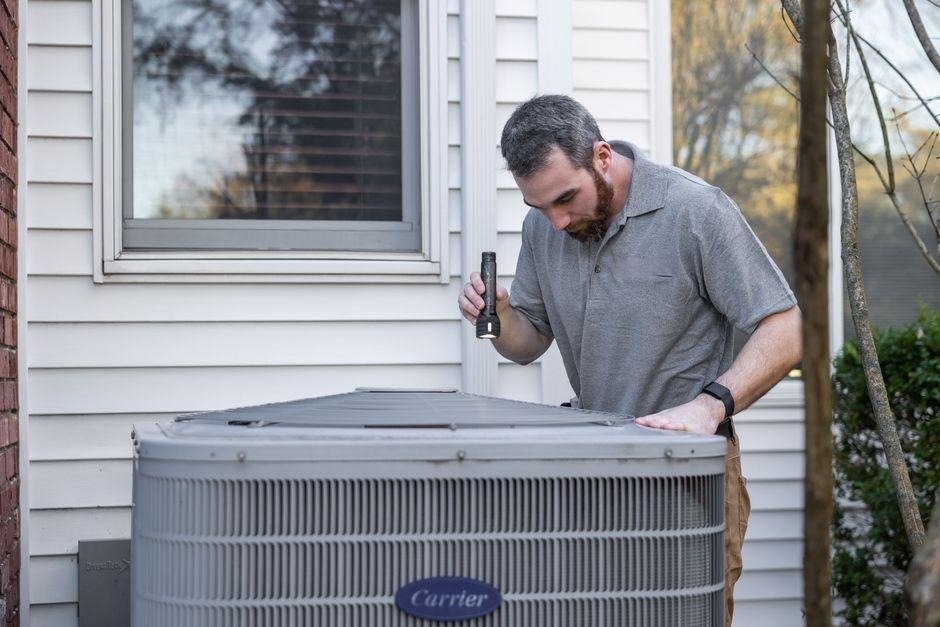
There is very little chance that your HVAC system will suddenly fail without giving any warning signs beforehand. These could be anything from rooms not feeling right to unusual utility bills and strange noises coming from your system.
But in Auburn, things are even worse. The harsh weather conditions of summer and winter create a lot of pressure on the HVAC system all year round. Picking up the signals early means fixing the problem on time and avoiding a difficult situation when the weather is at its harshest.
And a little care now will definitely go a long way.
Watch for Uneven Temperatures
When you feel like a sauna in one room, while the living room remains cool, it is your HVAC unit raising a little red flag. Uneven temperatures can point to airflow restrictions, leaky ductwork, dirty filters, aging components, or a thermostat that’s no longer reading accurately.
You need to focus on the pattern, and not the weirdness of one day. When certain rooms are overly warm or cold day after day, then it is not an isolated case.
Auburn homes deal with shifting outdoor temperatures, so your system needs to respond smoothly. When it doesn’t, comfort drops fast. In many cases, local help from absolute heating & cooling in Auburn can make more sense than guessing the cause or hoping the problem resolves itself. Unfortunately, HVAC systems rarely fix themselves.
Listen for Unusual Noises
A healthy HVAC system makes noise, but it should be predictable noise. A soft hum, the sound of air moving through vents, or a brief startup click is normal. Banging, rattling, screeching, buzzing, or grinding is not.
Those sounds often signal loose parts, motor trouble, blower issues, debris in the unit, or components wearing down under strain. Waiting too long can turn a modest repair into a painful invoice.
You don’t need to find out which component is causing the problem. You only need to recognize that the sound pattern has changed. It is similar to recognizing a sound from your car.
If the unit grows louder over time or starts making new sounds during startup or shutdown, schedule an inspection before the issue spreads to other components.
Monitor Your Energy Bills
A sudden spike in your utility bill often gets blamed on weather, and sometimes that’s fair. Still, if your usage habits haven’t changed much and your bill climbs anyway, your HVAC system may be losing efficiency.
Several problems can cause that:
- Dirty air filters
- Leaking ducts
- Low refrigerant
- Failing capacitors
- Aging motors
- Poor thermostat calibration
- Overworked compressors
When the system works for a longer period of time in order to achieve a particular temperature, it uses more power. The result is an increased expenditure and increased maintenance needs since there is a lot of strain.
Compare your current bills to those from the previous year for a better baseline. If there’s a clear jump without a good reason, your system may be telling you it’s working harder than it should.
Check for Weak Airflow
Poor airflow is often hard to notice initially. It could be that your vents continue blowing air but with little effort. Maybe one room never gets enough circulation. Maybe your system runs forever and still leaves the house feeling slightly off.
That drop in airflow matters. It can stem from clogged filters, blocked vents, blower motor issues, duct obstructions, or leaks that let conditioned air escape before it reaches your rooms.
You can start with the basics:
- Check whether furniture is blocking vents
- Replace a dirty filter
- Open closed registers
- Note which rooms have the weakest output
In case the airflow continues to feel weak, the issue may be deeper inside the system or duct network. Letting it continue can increase strain on major components, especially during peak summer or winter demand. Your HVAC system should deliver steady, consistent airflow throughout your home.
Watch for Frequent HVAC Cycling
Short cycling happens when your HVAC system turns on, runs briefly, shuts off, then starts again soon after. This problem usually goes unnoticed by homeowners but is one of the most obvious symptoms of malfunctioning.
This pattern can be caused by thermostat issues, overheating, dirty coils, oversized equipment, refrigerant problems, or electrical faults. Whatever the source, short cycling puts extra stress on the system because startup is one of the hardest parts of the operating cycle.
You lose comfort, too, since the unit only cools or heats enough to shut down without maintaining a stable temperature indoors.
If you notice rapid on-and-off behavior several times an hour, don’t brush it aside. Frequent cycling can accelerate wear and shorten the life of expensive components, including the compressor.
Notice Changes in Indoor Comfort
Your HVAC system does more than control temperature. It also helps manage indoor humidity and overall air quality. When that balance slips, you’ll often notice the effects quickly.
You might notice:
- Sticky indoor air during warm weather
- More dust around vents and furniture
- Musty smells
- Worsening allergy symptoms
- Dry air in winter
In Auburn’s warmer months, excess humidity can make your home feel hotter than the thermostat says. That often leads people to lower the temperature setting, which pushes the system even harder.
Poor humidity control can come from oversized equipment, drainage issues, dirty coils, or ventilation problems. Air quality concerns may also involve filters, duct cleanliness, or stale air circulation. If your home feels clammy, dusty, or oddly stale, your HVAC system may need more than a simple reset.
Prioritize Preventive Maintenance
Most major HVAC failures start as manageable issues. The trick is catching them while they’re still manageable. Preventive maintenance helps you do that by identifying worn parts, refrigerant issues, airflow restrictions, drainage problems, and electrical concerns before they become emergency calls.
Maintenance of an HVAC system should include things such as seasonal inspection, filter replacement, thermostat check, and clearance of debris from the outdoor unit. If your system is older, regular service becomes even more valuable because small inefficiencies add up faster.
You don’t need to wait for a dramatic breakdown, a burning smell, or a house that suddenly feels like a greenhouse. Paying attention to early warning signs gives you options. More options usually mean lower costs, better comfort, and less stress.
If you feel like something is slightly wrong with your HVAC system, do not ignore it. Homes rarely get more comfortable by accident, and mechanical problems rarely get cheaper with time.
FAQs
What leads to inconsistent temperatures in different rooms?
Anything from airflow issues, duct leakage, clogged air filters, old hardware, or malfunctioning thermostats could lead to some rooms being hotter or cooler than others.
Can weird sounds produced by HVAC systems be taken lightly?
Not really. Bangs, rattles, squeaks, or grinding sounds typically indicate loose hardware, an issue with the motor, or parts wearing out.
Why is my energy bill going up even though my consumption hasn’t changed?
An HVAC unit whose performance drops due to dirty filters, lack of refrigerant, or an old motor has to work for a longer period to maintain the desired temperature level.




Renovation Costs to Optimize Long-Term Property Value
[…] servicing an HVAC unit […]