


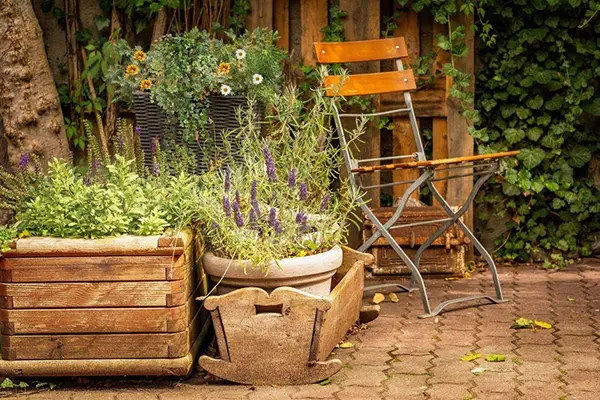
Do you know that a patio is the only home upgrade that keeps adding value long after it is built? But, completely creating an outdoor space that still looks great for years demands more than attractive papers and stylish furniture.
The process will be a bit longer, but once done, it will serve great features for many years. From planning the right layout to considering drainage and whether it counts for everything.
Keep reading to learn how to create a patio that looks great for years.
Key Takeaways
- The best implementation for a patio includes designing around the everyday routine rather than industry-relevant trends.
- Before installation of the materials, it is better to consider drainage, sunlight and exposure.
- While a properly installed patio keeps improving its value over time, regular maintenance still holds major importance.
Start With Daily Use
Before you stress about patterns and pretty finishes, ask yourself one simple question: what will you really do out there? Your answer mirrors almost every other decision you make.
If you want a family reunion spot, you’ll need room for chairs, maybe a table, and enough walking space so nobody has to do an annoying sideways rotation. If the patio is mostly for calm mornings, a smaller setup might work just fine. Kids, pets, and daily foot traffic also matter. A patio that looks attractive but feels tight or hard to use gets old fast.
It helps to imagine a normal weekend. Maybe you handle food outside, open the back door ten times, or need a spot that retains some evening shade. Those little habits tell you where the patio should go and how big it should be. Good planning isn’t trendy, but it keeps you from ending up with a cozy space that only works in photos.
For a better understanding, learn why a patio design comes first.
Choose The Right Base
A patio is only as good as what’s hidden under it. You can apply the nicest pavers in the world, but if the base is poorly planned, the whole thing can shift, sink, or collect puddles like a tiny outdoor swamp.
That’s why many homeowners look into expert concrete paver installation when they want a surface that stays level and sticks up well over time. Proper installation usually suggests grading the area, making a stable base, and making sure water drains away instead of trickling around where it’s not invited.
This part may not be the most interesting, but it’s the reason a patio stays attractive after years of weather and use. Make use of it like a cake pan. If it’s crooked, everything on top comes out poorly. A strong base helps keep out loose edges, uneven spots, and maintenance frustrations later. It’s one of those practical choices you may not recognize every day, which is certainly the point.
Pick A Style That Fits
Your patio should feel like it aligns with your home, not like it descended from a different neighborhood. The simplest way to get that right is by paying attention to what’s already there.
Look at your home’s external colors, roof tone, trim, and the general feel of the yard. If your house has warm brick or earthy siding, soft tan, brown, or charcoal pavers may serve nicely. If the layout is more modern, clean lines and simpler designs often look better than busy patterns.
You don’t need to turn out a design wizard to make smart decisions. Just keep things uniform. Too many colors or complex shapes can make the space feel busy, especially in a smaller yard. A simple pattern with one accent outline can be more attractive than trying to do it all at once.
It also helps to consider the look you want in a few years, not just this season. Current design choices can be fun, but classic elegance usually wins when it comes to outdoor spots. Your patio should still feel attractive when the patio pillows have long since taken their places.
Above this, the proper installation of solar lighting can improve the overall functioning for a patio and a garden.
Think About Weather
The weather has a nasty way of making design choices for you. A patio that gets full afternoon sun will feel very different from one folded into partial shade. Rain, wind, and seasonal temperature variations also affect how convenient and durable the space will be.
If your yard is structured to collect water, drainage should be very high on your list. Even the biggest patio loses its appeal when you have to jump over puddles after every storm. In hot areas, lighter-colored pavers can stay cooler under your feet than darker ones. That may mean more than you think when you step outside in sandals and abruptly regret everything.
You should also check where the wind hits and how the sun adjusts during the day. A patio near the house may offer some protection, while an open area may need coverage from an umbrella or pergola. Making plans around the weather doesn’t mean juggling every cloud. It just means selecting a setup that works with your yard instead of defending it every season.
Make Space Feel Bigger
You don’t need a large yard to create a patio that feels open and friendly. A few layout ideas can make an average-sized space appear much larger than it is.
Start by eliminating furniture that’s too bulky for the area. The huge chairs can eat up space fast and make the patio feel cluttered. A smaller dining set or slim-profile seating often works better and still feels comfortable. Leave clear trail paths so the area feels simple to move through.
typically
Paver designs can also help. Simple layouts often make a patio feel cleaner and more roomy. Borders can label the area nicely, but a very heavy variation may split up the space visually. Sometimes less really is more.
You can also link the patio to nearby parts of the yard with a short path, planters, or fitting materials. That regulates flow and makes everything feel carefully planned. When your eye moves smoothly from one area to another, the whole yard feels more roomy. It’s a bit of a visual gag, but unlike magic, it actually works.
Add Comfort And Function
A patio should be easy to look at, but it should also make you want to stay there. That’s where comfort and helpful extras come in.
Think about what will make the area useful in real life. Shelter is a big one, whether that comes from an umbrella, pergola, shade sail, or even smart plant setup. Good lighting matters too. Soft string lights, tract lighting, or a few warm wall fixtures can make the patio feel elegant instead of cave-like after sunset.
Seating should depend on how you use the space. If you host people often, bendable seating helps. If you mostly rest alone or with family, focus on safety over quantity. Small touches like outdoor cushions, side tables, or a storage bench can make a big difference without destroying your budget.
You don’t need every new feature at once. Start with the standards that improve comfort the most. A patio that works well is always more fascinating than one that’s packed with features but difficult to use.
Also, understand the architectural principles behind timeless patio concepts.
Plan For Easy Upkeep
At the end of the day, a beautiful and effective patio is not a last-minute decorating decision; it begins with thoughtful and defined planning. By giving more importance to how the space will be used, making the right investment in the durable material and required comfort can help to create a flexible and functional outdoor space that remains the same for many upcoming years.
When planned well, a bit of extra preparation today can save much of the effort, time and money later on.
What is the most crucial aspect of planning a patio?
A strong foundation and proper drainage are the most crucial factors that help to define a patio.
How to make a small patio feel larger?
Use the right size of furniture, leave space for walkaways and use simple paving patterns to make a small patio feel larger.
Do I need to hire a professional to install a patio?
For larger implementations, professional installation might help. But for minor ones, self execution is enough.


13 Small Backyard Pool Ideas, Costs & Budget Options
[…] tools. Pair it with a wood-clad perimeter or small deck for better functionality. In fact, a planned patio decking idea near and around the base can do wonders for the pool’s efficiency and […]