


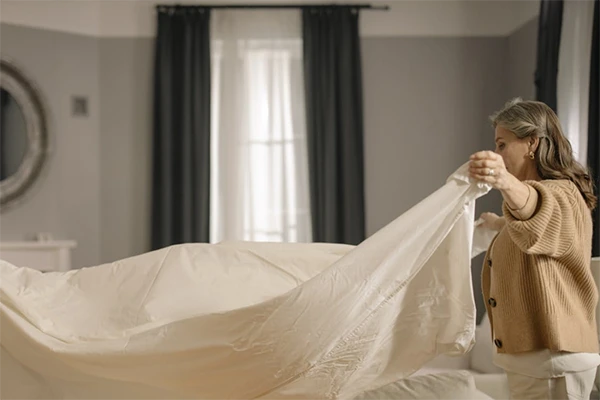
People are starting to get brutally honest about their bedrooms. A room can have expensive furniture, trendy wall colors, designer lighting, and still feel stressful to exist in every night.
This realization is pushing a lot of urban homeowners toward minimalist renovations, not because they suddenly want cold, empty spaces, but because many bedrooms have become overloaded without actually feeling comfortable. Too much furniture, too much storage, too much decor, too many things sitting out all the time. The room starts feeling mentally busy before the day even ends.
Urban life is a big factor, especially in large cities like St. Louis where apartments, condos and small homes are found in many neighbourhoods. People are paying a lot more attention to how their bedroom actually functions in day-to-day life. After a long day at work, a crowded bedroom can feel even smaller when the room is also a workspace, storage area, and sleeping space.
Key Takeaways
- Explaining how less stuff leads to fewer problems.
- Understanding why the brain gets tired too.
- Assessing why small rooms feel smaller fast.
- Analyzing how work stress follows people to their homes.
Less Stuff, Fewer Problems
Most homeowners don’t realise how stressful a bedroom is until they start taking things out of it. Extra chairs turn into laundry piles. The decorative tables gather random junk. Storage bins are shoved into corners and forgotten. Packed bedrooms slowly create that feeling that the room never quite feels clean, no matter how much time is spent tidying it up.
The frustrations of this build-up only grow when you throw hidden maintenance issues into the mix. Cluttered storage and crowded furniture layouts make it much more difficult to properly inspect, clean or maintain the room over time.
Some homeowners only start simplifying after dealing with pest problems hiding behind overloaded spaces, and furniture pushed tightly against walls. With bed bug exterminators, St. Louis residents can often clear out those hidden issues while redesigning bedrooms around simpler layouts that feel cleaner and easier to maintain afterward. Experts can help resolve such issues in no time.
The Brain Gets Tired Too
A cluttered bedroom affects people mentally way more than most expect. Walking into a room filled with crowded shelves, overflowing dressers, random decor, tangled cords, and oversized furniture keeps the brain visually busy even during moments that are supposed to feel restful. People often think they need better sleep routines when part of the issue is the room itself, constantly demanding attention.
Minimalist bedrooms feel different almost immediately. The room stops visually shouting at people. Open surfaces, cleaner layouts, softer lighting, and fewer objects create a calmer atmosphere because less time to process all the time in the brain. Urban homeowners in particular are drawn to that simplicity because life outside the home is already enough of an overload on a day-to-day basis.
Cleaning Stops Feeling Like a Project
One reason minimalist bedroom renovations are growing so fast is pretty simple. People are exhausted by high-maintenance spaces. A crowded bedroom creates endless upkeep. Dust collects behind decorative furniture nobody uses. Open shelving turns into clutter storage. Cleaning around oversized bed frames and packed corners becomes irritating fast.
Minimalist layouts eliminate a lot of that frustration right away. Less stuff means less surface to get messy. It’s easier to Hoover with the open floor space. With simpler furniture arrangements, you don’t have to re-arrange something every weekend. For people who are already juggling work, commuting, errands, and a constant barrage of digital noise, a low-maintenance bedroom feels like real relief, rather than another task waiting in the background all the time.
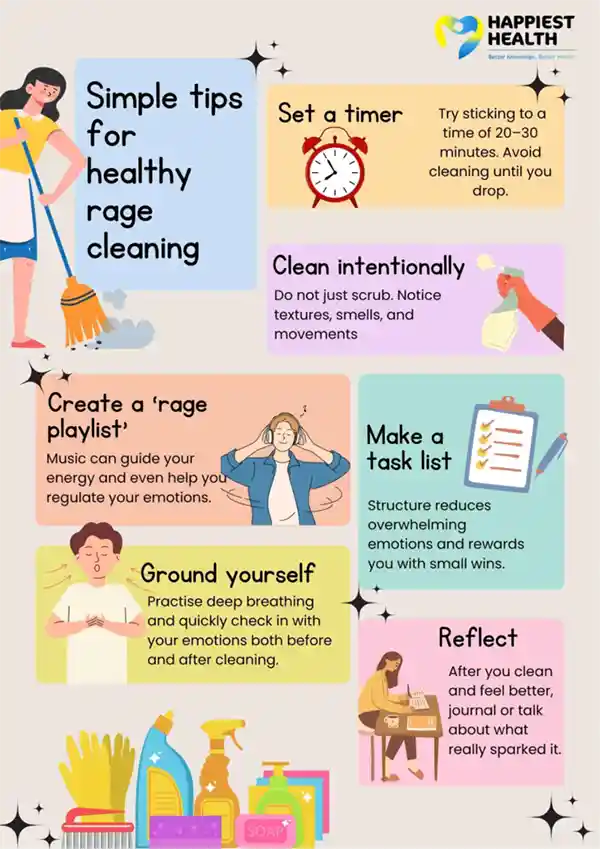
Explore this infographic for better and advanced cleaning!
Small Rooms Feel Smaller Fast
Urban homes brought home how oversized furniture can dominate a room to an even greater degree. Big dressers, heavy bed frames, fancy benches, giant nightstands and cluttered storage arrangements may look impressive online, but in tight quarters, they often make bedrooms instantly feel boxed in.
Today, renovations focus on movement and breathing space instead of filling every wall space with furniture. Homeowners want bedrooms where they can walk easily, open drawers without difficulty, and move around without constantly bumping into things. A minimalist layout can go a long way towards making a small room feel much lighter by removing any extraneous physical and visual weight.
Bedrooms Feel Different Now
For lots of city homeowners, a bedroom is no longer just a place to sleep. Some people answer emails, people who scroll for hours, people who decompress, watch shows, and sometimes even work there during the day. The emotional change completely changed people’s expectations of the room. The messy bedroom seems even more difficult to deal with now, because the space is used so much more than before.
Hence, minimalist renovations connect so strongly with younger homeowners and renters, especially. People want bedrooms that help them mentally slow down instead of adding even more stimulation to the day. Cleaner layouts, softer colors, hidden storage, and simpler furniture choices create rooms that feel calmer without trying too hard visually.
Better Movement
One thing people notice immediately after simplifying a bedroom is how much easier the room feels to move through. That sounds minor until someone spends years squeezing past oversized furniture every morning, stepping around storage baskets, or navigating cramped walkways half asleep. Small frustrations like that build up quietly because they happen every single day.
Minimalist renovations remove a lot of that tension. Open pathways instantly make bedrooms feel calmer because the room stops physically working against people. Making the bed becomes easier. Cleaning feels less annoying. Getting dressed no longer happens in cramped corners between furniture pieces nobody actually needed there in the first place.
Work Stress Followed People Home
There are many people who didn’t think bedrooms would change as much as they did with remote work.
A lot of people started working from their bedrooms temporarily and suddenly realized how mentally exhausting the room actually felt once they spent full days inside it. Clutter became distracting during meetings. Crowded layouts started feeling uncomfortable after hours indoors. Bedrooms stopped feeling relaxing once work stress lived there too.
The experience led many home owners to cleaner and simpler designs in the years that followed. Minimalist bedrooms help to create space between stress and rest because the room altogether feels less chaotic. When the workday is over, people want bedrooms that mentally tell them to “slow down” versus spaces that feel visually busy and overstimulating.
Fun fact
$1.2 trillion a year is spent on buying nonessential items in the U.S. alone!
Function Beats Decoration
Younger homeowners, in particular, are getting a lot more practical about bedroom design. A lot of people are no longer interested in filling rooms with trendy decor simply because social media says the space should look a certain way. Decorative ladders, oversized accent chairs, extra shelving, and complicated styling setups often end up feeling useless pretty quickly during actual daily life.
Homeowners are more interested in storage that functions, lighting that feels soothing and layouts that comfortably accommodate typical routines. The room has to feel good to live in, not just look good for a photograph.
Conclusion
Minimalist bedroom renovation is popular in urban homes as people yearn for spaces that feel calmer, lighter and easier to live in daily. Homeowners are beginning to appreciate comfort and mental breathing space over mere decoration, and overstuffed bedrooms full of too-big furniture, visual clutter and constant upkeep are no longer appealing.
FAQs
How did minimalism become popular?
Yet, it’s widely agreed that the minimalism movement took root in the 1960s and 1970s. Artists began favouring simple geometric shapes and lines, literal and objective meanings, shifting away from Abstract Expressionism and its excess layers.
What colors are used in minimalist design?
Paint colors associated with minimalism veer towards whites, off-whites, soft greys, and neutral color schemes. Deeper and more saturated hues—think black, navy and forest green—can also contribute to a sleek, sophisticated minimalist look.
What are the disadvantages of minimalist design?
Too little information – Another hitch that may erupt while executing a minimalist design is that it conveys limited information because of fewer images, videos, or other textual content. So, you might not be able to convey more information to the website visitors.
What is the purpose of minimalism?
Minimalism is a tool that can assist you in finding freedom. Minimalism is intentionally living with only the things one really needs—those items that support a purpose.




Choosing Paint Finishes for Busy Rooms and Quiet Spaces
[…] spaces play by different rules. In a normal bedroom, a formal living room, or a home office, the walls don’t take much abuse, so you can lean […]