


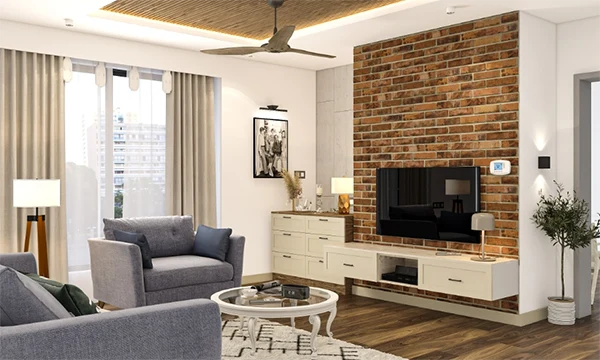
Modern home designs in 2026 are no longer just about creating visually appealing spaces – they are about designing homes that truly enhance the way people live.
Over the years, interior designs have evolved from being purely aesthetic to becoming deeply functional, personalized and experience-driven.
Today’s homeowners are not just looking for stylish interiors; they want designs that support their daily routines, adapt to their changing lifestyles and more!
Explore this article for twelve such interior design ideas!
Key Takeaways
- Exploring what’s special in the interior designs of 2026.
- Carrying a balance between nature and luxury with the adoption of smart furniture and sustainable materials.
- Understanding the multi-use designs and space optimization methods to make the best use of available spaces.
- Your go-to guide for tips to create a stylish and functional living space.
What’s Special in Interior Designs in 2026
Interior designs in 2026 focus on creating spaces that are calm, practical, and deeply connected to everyday life. The latest interior design trends highlight the use of sustainable materials, especially natural woods, recycled elements, etc.
These interior designs balance beauty with function, showcasing changing needs and a growing preference for thoughtful, clutter-free living spaces that feel personal and timeless.
Minimalist Layouts
The idea of minimalist layouts is what brings the simplicity of ideas, forms and materials to life. Such layouts focus on the ideas of functionality and intentional living together.
As a result, the primary features include the following:
- Open-spaces
- Purposeful decor
- Storage solutions
These features help in making your home airy, minimizing clutter and maximizing light.
Neutral Palettes
The main reason for prioritizing the neutral palettes is that they create a calm, sophisticated and balanced atmosphere.
A common practice for achieving a proper balance is to use warm neutral colours for a cozy, inviting space, whereas cool, neutral colours are for a crisp, modern look.
Functional Spaces
Every family has different needs, which is why each home’s functional features remain unique.
Functional Spaces prioritizes adaptable layouts that blend with any style, making the spaces well utilized regardless of the size of the home.
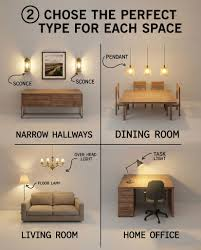
You can even see the changes in the functional spaces as per home styles in the infographic:
Smart Furniture
Urban living in 2026 has redefined the way we design our homes.
Smaller apartments and rising real estate prices have, therefore, generated a requirement for multifunctional as well as smart furniture that requires less space and caters to the needs, too.
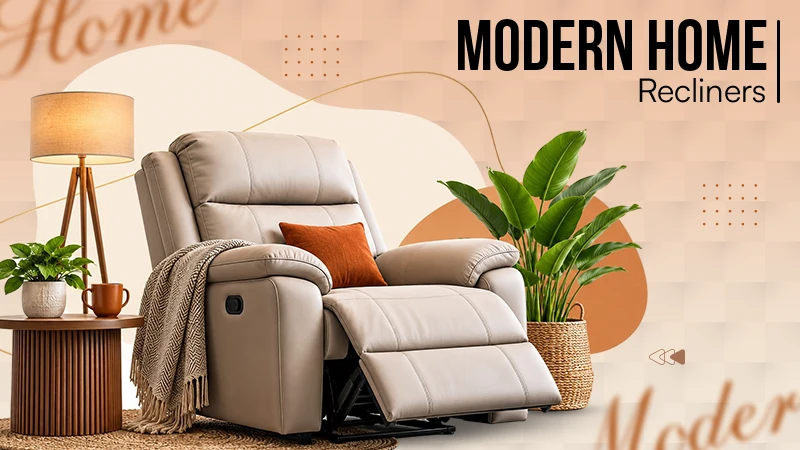
Some of these durables include the Modern Rattan Daybed Full Folding Sofa-Cum-Bed, the Rocking Chair with Adjustable Bedrest, etc.
Such furniture is more than just a trend; it provides a comfortable living without making the home appear cramped.
Multi-Use Designs
Some of the multi-use designs are the following:
- Modern Lift-Top Centre table
- Solid Acacia wood transformer table
- Bedside table with wireless charging station
- Rustic Rest storage bench
These designs enhance the functionality of your home while also saving storage space and giving it a refined, beautiful appearance.
Space Optimization
Space planning and optimization are an integral step when it comes to interior design in modern homes.
It has multiple benefits, such as the following:
- Movement feels natural
- Pathways remain clear
- Furniture fits proportionately
Interior design and space optimization go hand in hand. One shapes the layout; the other enhances it visually.
Sustainable Materials
In an age where sustainability is a top priority in designing a well-built environment, here’s a table depicting materials that can help you maintain a balance:
| Material | Uses |
| Bamboo | Flooring, wall panels, cabinetry |
| Cork | Wall panels, acoustic panels, furniture |
| Reclaimed Wood | Furniture, wall panelling, and flooring |
Eco-Friendly Interiors
Eco-friendly interior designs focus on reducing environmental impact through natural materials, energy efficiency and conscious consumption.
You can even add an eco-friendly design to your homes by making some small and subtle changes, such as maximizing the natural light and incorporating natural textures such as cotton, linen, etc.
Statement Lighting
The trend of statement lighting redefines how homes are designed and experienced. Lighting such as chandeliers and modern lamps acts as a focal point in modern interiors, which not only provides illumination but also adds a strong visual impact.
In modern home design in 2026, lighting is not just functional – it is an essential part of the design narrative. It enhances mood, defines spaces, and adds a layer of sophistication to the home, making it both beautiful and practical.
Accent Walls
An accent wall is a popular interior design technique that can breathe new life into any room.
By incorporating a different colour, texture, or pattern onto one wall, you can create a focal point that adds visual interest and depth to your space.
Whether you’re aiming for a dramatic backdrop or to highlight architectural features, accent walls offer endless possibilities for expressing your unique style.
Personalized Decor
Interior design isn’t just about creating visually stunning spaces; it’s about capturing the essence and individuality of each home.
Personalized decor creates a tailor-made area in which every detail reflects the essence of home for the individuals living in the house, bringing a sense of belongingness and establishing an emotional connection.
It further has several benefits, such as the following:
- Efficient use of space
- Reflects individuality and personal expression
- Increases the value of the property
Such benefits further capture the importance of personalized decor in interior designs.
Final Tips to Create a Stylish and Functional Living Space
Incorporating these trends does not require a complete renovation; you can even adopt these trends into existing spaces practically and cost-effectively, using these tips:
- Proper planning: Before making any changes, it is important to understand your needs, lifestyle and space to ensure the designs are practical and cost-effective.
- Choosing timeless materials: Investing in materials such as wood carpet flooring, stones and neutral finishes provides durability and long-term value.
- Comfort and usability form yet another priority: the inclusion of functional spaces and comfortable furniture, as adopted in new display homes Melbourne can further beautify your home.
- It is also important to maintain a balance, as overloading a space can make it appear cluttered.
Such tips will help your home appear beautiful and elegant without extra labour.
Final Thoughts
Such home design depicts a perfect blend of innovation and personalization, which helps in making homes appear not only as physical structures but also as a thoughtfully designed environment.
If you are planning to build or redesign your home, now is the time to embrace a space that truly reflects your lifestyle.
FAQs
What is the 3-5-7 rule in interior design?
It is believed that by grouping objects in odd numbers—three, five, or seven—you can create a natural rhythm that guides the eye and enhances the overall composition.
What are the kitchen trends for 2026?
Some primary kitchen trends for 2026 are earthy neutrals, rich colour palettes, natural materials, and craftsmanship, which together create kitchens that feel grounded.
What is the bad colour of the year 2026?
Pantone’s cloud dancer, which is a shade of white, sparked an immediate backlash online, which is labelled as dystopian or tone-deaf.
What is the 70/30 rule in design?
The 70/30 rule in design suggests that 70% of the room should be dominated by a primary element, such as a colour or furniture style, whereas the next 30% should be used for accent elements.
Lamps4u: Types of Lamps, Buying Tips & Home Lighting
[…] and available in many different shapes, colors, and materials. Table lamps complement nearly every interior style, allowing you to choose designs that fit your […]