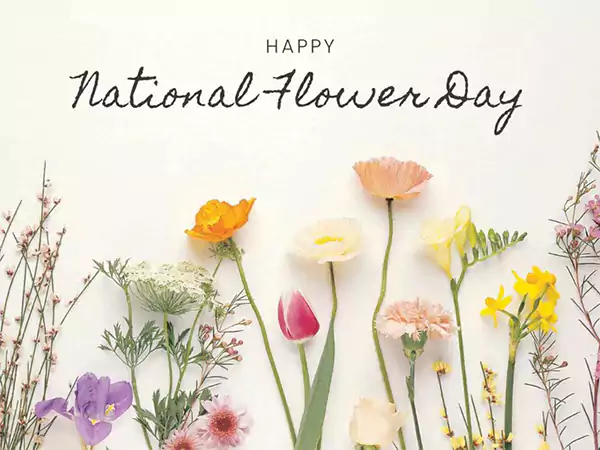
When I think about National Flower Day, I instantly feel a sense of calm and joy. Flowers have always added color, meaning, and comfort to my life. This day gives me a reason to slow down and notice alluring blooms that brighten my surroundings.
For me, National Flowers Day, celebrated on March 21, is more than a date on a calendar; it’s about meaning, emotions, and a connection with nature.
Moving further, in this article, I have discussed the history and modern meaning of the flower day, along with some unique ideas to celebrate this vibrant occasion.
What is National Flower Day?
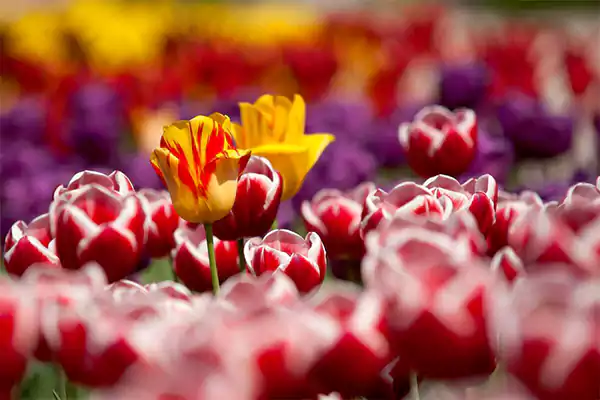
I would like to start this section with a reminder of how flowers quietly shape my mood, my memories, and even my day!
National Flower Day, observed on March 21, is an annual celebration that appreciates the beauty and emotional value of these magnificent blooms. People generally use this day to gift flowers, plant new ones, decorate their homes, or simply spend some time connecting with nature.
Whenever I think about why flowers and this day matter so much, I realize how effortlessly they influence emotions. The unique colors, shapes, and fragrances hold a psychological power that feels unreal.
In the following sections, let us understand the reason to celebrate this alluring day, keeping different aspects in mind.
When is National Flower Day Celebrated?
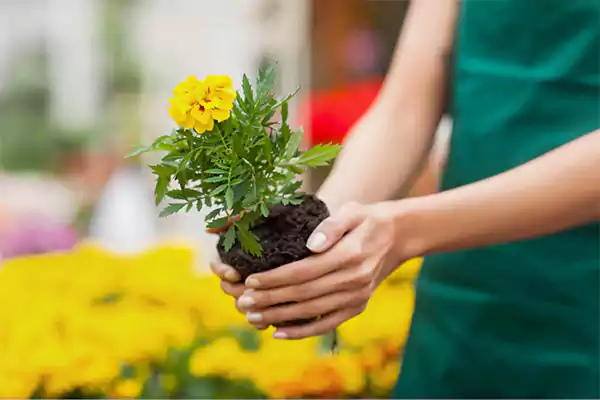
Many popular holiday calendars and festive websites mark National Flower Day on March 21 every year. The major reason behind this is that this date roughly coincides with the onset of spring, making it symbolic for renewal and new life. Hence, this is the most widely cited date!
But there are many alternate dates as well. While I was researching, some sites also mention October 7, which is basically the National Flower Day for the US. President Reagan marked the rose as the official bloom and urged people to celebrate its beauty.
Additionally, many other flower-related festivals sometimes get conflated with this official day, e.g., National Plant a Flower Day, observed on March 12.
I feel that, mainly, the confusion around the date is because there is no official website or a global authority that defines when is National Flowers Day. Therefore, different groups chose different dates, often depending on their cultural context and purpose.
What is the History Behind National Flowers Day?
Since the origin of the National Flower Day has not been clearly documented anywhere, its history stems from people’s ancient and deep connection with blooms. Different flowers have been used for decorations, medicinal benefits, gifting, or to represent unique emotions since ancient times.
The Paleolithic era showcases the significance of flowers, how the blooms were connected to god, and different myths revolving around them.
I have always been fascinated by the way flowers are used to express feelings like love and peace, and how they have played a central role in so many ceremonies across different civilizations.
Since there is no universally agreed-upon date and no officially documented reason to celebrate this day, it’s safer to think of National Flower Day as a modern cultural observance.
The Modern Meaning of National Flower Day
The modern meaning of this blooming occasion is beyond just buying flowers. In today’s era, I feel that this day is mainly celebrated for the beauty, joy, and the feeling of freshness that flowers bring with them.
Furthermore, now that I think about the modern meaning of National Flower Day, I notice how much this day has changed. It is not only about celebrating the vibrancy of nature or gifting blooms to someone you love, but it is also about promoting well-being and environmental awareness.
Let us quickly understand the ecological importance of flowers and their role in maintaining a modern-day lifestyle.
- Environmental Perspective: Flowers are like silent heroes that help restore the balance. Beyond traditional aspects, these blooms highlight different environmental angles. The pollinator crisis is one of the major concerns. Flowers have always been a critical food source for essential pollinators such as bees, butterflies, and hummingbirds.
These agents, in return, are responsible for the reproduction of 75% of global crops. Hence, the modern meaning of this day is witnessing a shift towards planting more flowers on March 21, emphasizing the environmental aspect of the day.
- Shift from Gifting Flowers to Growing Biodiversity: I have recently seen a shift from gifting short-lived bouquets to growing flowers that support biodiversity. Instead of buying cut flowers, I now prefer planting native species that feed bees, butterflies, and other useful insects.
This change feels meaningful to me because I am not just appreciating beauty; I am contributing to the planet by rebuilding these small habits.
Apart from this, I also follow some minimalist and sustainable rituals that make March 21 a more mindful celebration for me. Last year, I created a pollinator corner in my backyard, and this time I am planning to compost kitchen waste and create bouquets using local blooms.
Is There a Specific Flower Associated With National Flower Day?
The National Flower Day is not associated with any single bloom. It is rather celebrated to raise awareness about different species of flowers, their importance in biodiversity, and to appreciate their beauty.
Although the occasion is broad and generic, there are various flowers like Lotus, Tulip, Rose, and Sunflower, which are specifically featured on this day due to their national or cultural significance.
| National Flowers and their Symbols |
| Rose (USA): Rose has been declared the national flower of the USA by President Reagan, and is officially celebrated on October 7th. Specifically, white roses are exchanged on this day, symbolizing peace and serenity. |
| Lotus (India and Vietnam): This pink flower, emerging from muddy water, is associated with spiritual growth and divinity. |
| Cherry Blossom (Sakura-Japan): Some specific varieties, such as the Yoshino Cherry tree, are known for their deep and historical roots in Japanese culture. |
| Tulip (Netherlands): The Tulip Tree is iconic in Dutch culture, representing beauty and prosperity. |
Different Ways I Like Celebrating March 21 National Flower Day
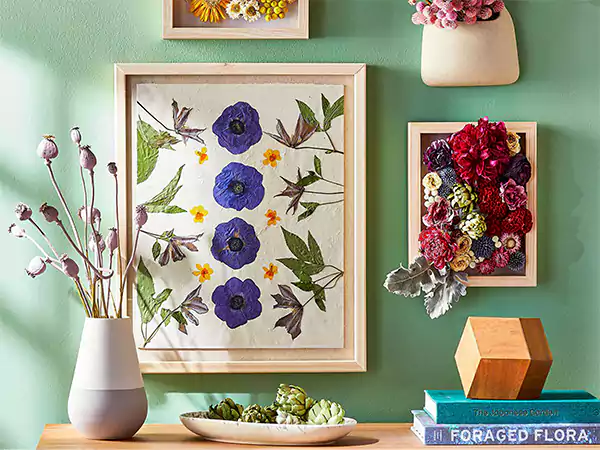
Instead of simply gifting flowers, I like celebrating March 21 National Flower Day in many different ways. Here are some ideas and suggestions for you to make this day more meaningful and fun!
| Creative DIY Ideas | Connect With Nature | Gifting and Sharing |
|
|
|
Other than this, you can bring fresh blooms to your home, or you can also plan for a flower-infused bath or spa. I am currently learning how to make scented candles infused with home-grown flowers, and the experience is worth the wait!
The Social & Relationship Trends Linked to Flower Days
I personally like how some flower days allow me to take small and meaningful breaks from my daily routine, giving me a chance to connect with my loved ones.
- These days are simply more than just cute celebrations; these are important to address the emotional needs and shape modern-day relationships.
- I feel that flowers quietly reflect how today’s generation expresses affection. Special days like Valentine’s Day, Mother’s Day, National Flower Day, and National Get Your Girlfriend Flowers Day primarily focus on strengthening bonds and showing love to each other.
- Many people use these alluring blooms as non-verbal cues to express complex emotions that they generally can’t put into words.
- Whether it’s an apology, gratitude, or reassurance, flowers act as an emotional translator.
These flower-centric holidays also influence buying behavior. Many people simply buy bouquets or small plant pots to create aesthetic moments and share online.
Conclusion: How National Flower Day Impacts The Floral Industry?
I love how these flower days significantly boost the floral industry by boosting sales and increasing demand during peak season. National Flower Day leaves me feeling inspired and grounded.
These specific days help me understand how these botanical marvels support my mental health and even the planet’s well-being. Celebrating these occasions may seem small to us, but they are majorly important to many local florists.
When is National Flower Day?
Every year, 21 March is celebrated as National Flower Day.
Is National Plant a Flower Day real or fake?
Yes, National Plant a Flower Day is real and celebrated on March 12th every year. This day specifically focuses on promoting greenery and encouraging gardening.
Is Get Your Girlfriend a Flower Day real or fake?
Get Your Girlfriend a Flower Day is not a separate official holiday, but is mainly celebrated on August 1 as National Girlfriend’s Day. This day is specifically meant to show romantic gestures to your partner and make it more meaningful.
Is there a specific flower for National Flower Day?
No, there is no specific flower for National Flower Day. It is rather celebrated to appreciate the beauty of different alluring blooms and their role in maintaining the ecosystem.
When is National Yellow Flower Day?
National Yellow Flower Day is celebrated on September 21st to symbolize true love, friendship, and happiness.