


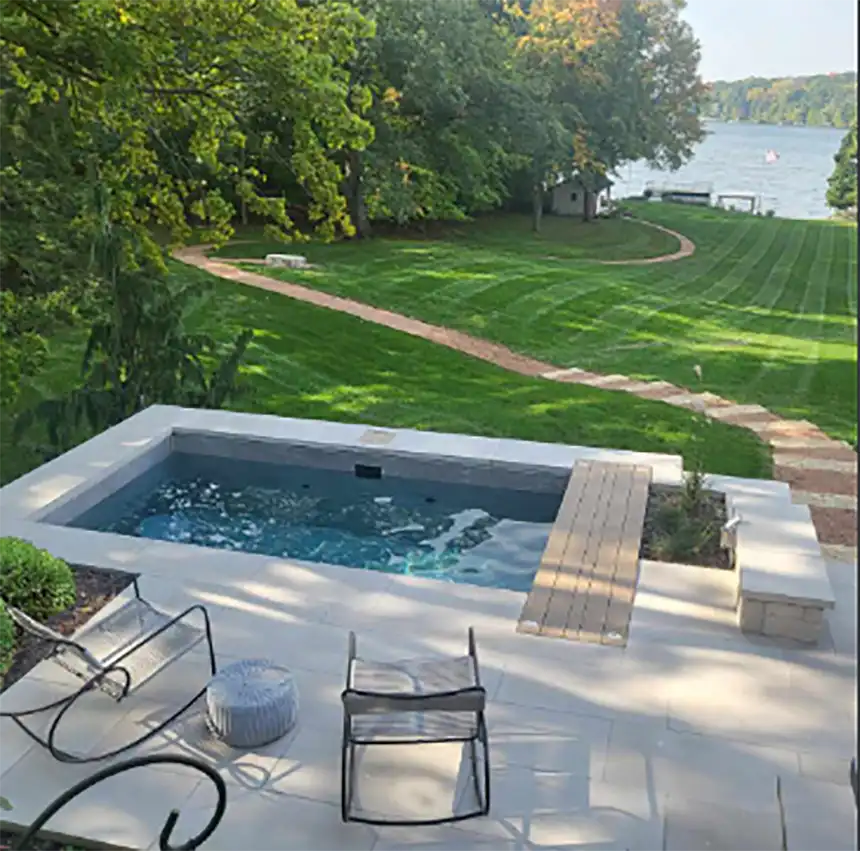
A pool can look very simple and plain from the kitchen window. It might look like a circular thing, a clean rectangle, just a paving of so much graphite. Now, before building a pool and any of the equipment hits the soil, you will have to get permits, setbacks, utilities, electrical work, drainage, and everything.
The only thing that you can do is be ready with all the permissions and the guidelines which are required to build a pool without any problem.
The things that you should always keep in mind are:
Checking local permits and also keeping the pool location ok for the inspection. Treat poo barriers as a part of the design rather than the finishing touch. Lastly keep the drainage system working, planting in good condition and also keep the equipment near the pool to match the safety standards too.
Start With the Lot, Not the Pool Shell
When you start making the pool, don’t just start with making the outline with the chalk; simply try to picture where the pool will stand and how exactly it will look. Having it drawn by a professional will tell you where the outline will be, the fence, planting, and everything else but if you get careless in this it can really impact how your house will be after the pool is carved out.
Pool placement is all about the changes in your property. It will make you change the grading to utility lines which can also impact and change the outline of the house. .
Not just the house but the backyard is also changed in the way in which the pool is installed. Different tree placement can also change, therefore building a pool with a proper backyard planning also helps a lot. Start with the lot. Then choose the pool.
Check Permits Before Starting the Pool Building
The things that you should always check before building the pool is the location and where you can build it. according to the pool type you are planning to make take the permit accordingly and also know what can be problematic in future in order to complete the tasks and the records.
Also the permit should be taken in such a way that in future no problem should occur everything from electricity to the fencing should be done properly to avoid any problem.
Ask all these things from the contractor and tell him to take the responsibility of anything goes wrong he should be responsible.
Build Safety Into the Backyard
A very important thing that you should plan early, before making the pool, is its safety, as it is very important, and the lack of safety is the leading cause of death by drowning.
The safety should always be kept in mind if you have kids in your house. If you are building a backyard pool, you should control and keep safety in mind from the beginning.
In order to build the safe pool and the environment you should also build these barriers, gates, power safety covers, and most importantly, the Alarm. Also, the International Residential Code tells you to have detailed electrical provisions for pool equipment, grounding, and bonding.
Plan the Space Around the Water
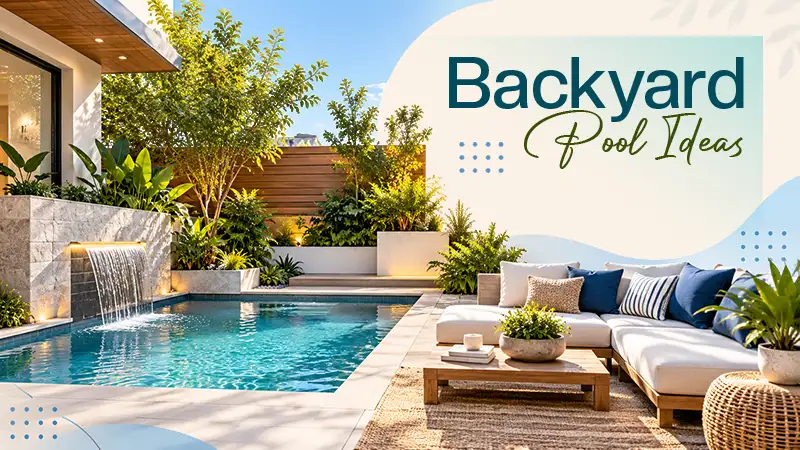
In most of the cases when you build a pool, the most important thing for you becomes the pool, and everything apart from that in your space gets neglected. While making the pool the one thing that you should always do is leave room for walking, pool access, storage, and decorations that will make it look better.
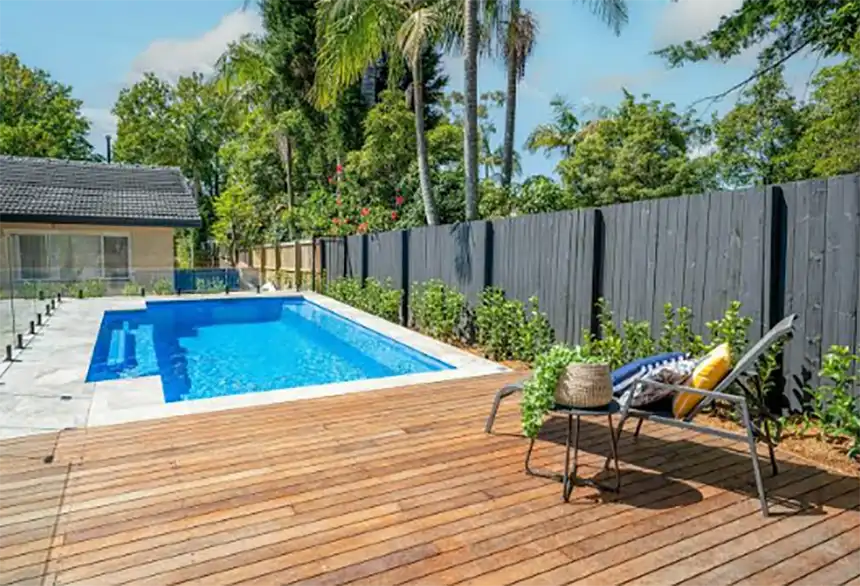
Also, a very low-maintenance garden around the pool really helps enhance the look of the pool, but you should always be careful with the plants. The thing that you should keep in mind while planting around your poll is that you should always grow low maintenance and which will not cause you trouble or cause any cracks or joints in the pool, making you spend a lot on maintenance.
Make the Contractor Quote Match the Plan
The starting price quote by the contractor for the pool can be similar until the main digging of the pool starts. Once it starts, you get the real difference in how the prices change over time.
A very important thing that you can ask your contractor before starting the pool construction is about the things like Permit application, plan on how to build the pool, about the inspection, about the soil drainage, fencing and about the process in which the yard will be restored.
The point isn’t to turn a pool project into a stack of paperwork. It is to keep the paperwork from becoming a surprise bill.
Before the pretty part.
Give the Backyard a Chance to Work
A pool after completion should always feel like the part of the home that took the effort to get built. The one thing that should be done is to look for the placement of the pool and how everything around it can be built in such a way that, no one has to suffer and also there should be an ample space for walking and putting benches and, etc.,
A good pool leaves the backyard easy to breathe, and you can easily determine the place to move, space to accommodate a few more things.
FAQs
Do I need a permit to build a backyard pool?
Ans: In many locations, yes, especially for permanent in-ground pools, but exact requirements depend on the local authority and pool type. Check with your city or county building department before construction begins.
How far should a pool be from the house or property line?
Ans: There is no single setback that applies everywhere. Local zoning, building codes, easements, lot conditions, and sometimes HOA rules can affect the allowed location, so confirm the required distances before approving the pool plan.
Does a backyard pool need a fence?
Ans: Many jurisdictions require a barrier around residential pools, and safety guidance commonly addresses fence height, gate operation, openings, and access from the house. Your local code controls the actual requirement.
Should landscaping be planned before the pool is built?
Ans: Yes. Drainage, shade, planting, walkways, equipment access, and privacy can all affect where the pool and deck should go. Planning them together usually produces a backyard that feels intentional rather than patched together.
- World Health Organization — WHO
- Pool Cost Estimator — $5,000
- YourHomify — low-maintenance garden around the pool
- Pool Perfection — Pool Perfection
- International Code Council — 2024 International Residential Code, Chapter 42: Swimming Pools
- U.S. Consumer Product Safety Commission — Safety Barrier Guidelines for Home Pools

13 Small Backyard Pool Ideas, Costs & Budget Options
[…] a simpler and sleeker backyard with a small pool, you can opt for a lap pool. It especially works great for a long and narrow backyard, and with a […]