



| Common Name | Bonfire Patio Peach, Bonfire Dwarf Peach, Bonfire Flowering Peach, Bonfire Ornamental Peach | Maintenance | Low to moderate |
|---|---|---|---|
| Native Region | The species Prunus persica originates from China; this specific cultivar is a cultivated hybrid in North America. | Average Height | 4-6 feet |
| Plant Type | Deciduous, dwarf, flowering fruit tree/shrub | Average Width | 4-6 feet |
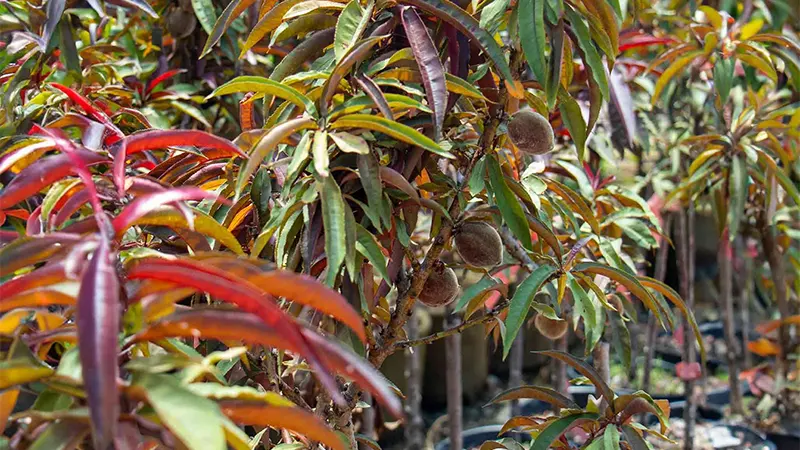
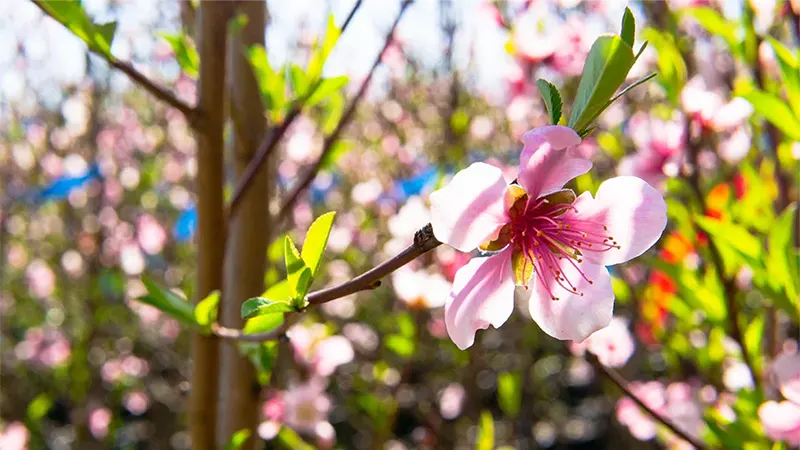
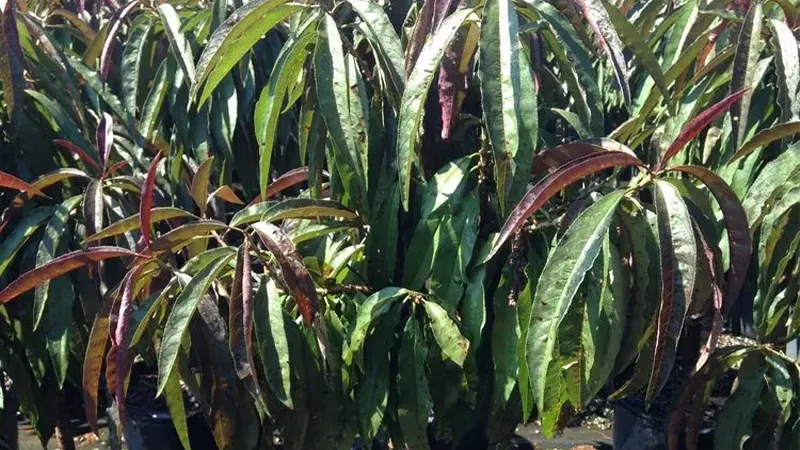
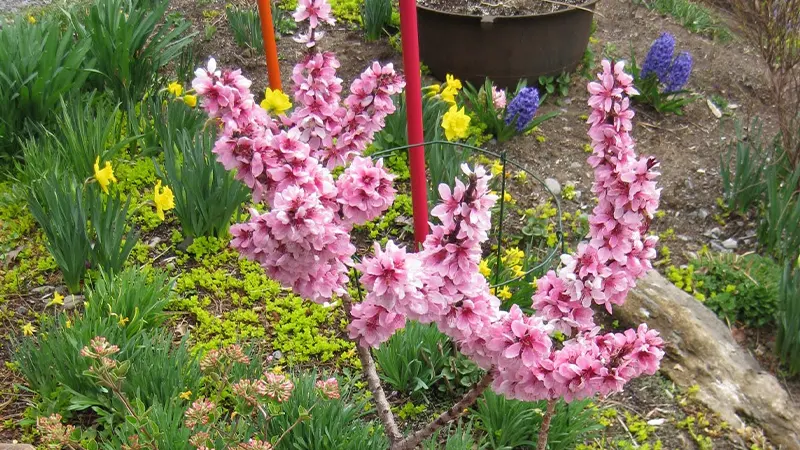
Bonfire Patio Peach, botanically known as Prunus persica ‘Bonfire’, is a deciduous shrub that offers burgundy, narrow foliage and vibrant pink blossoms.
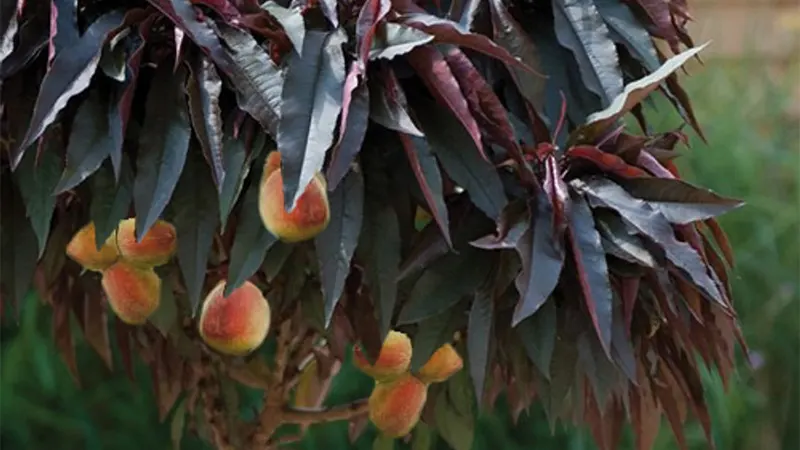
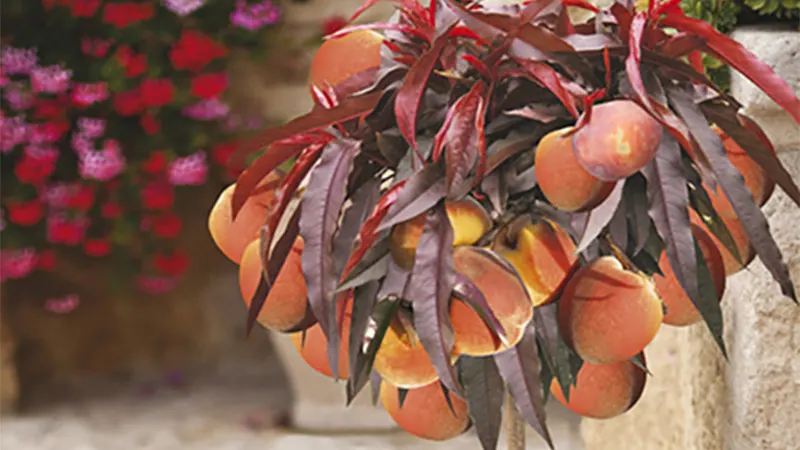
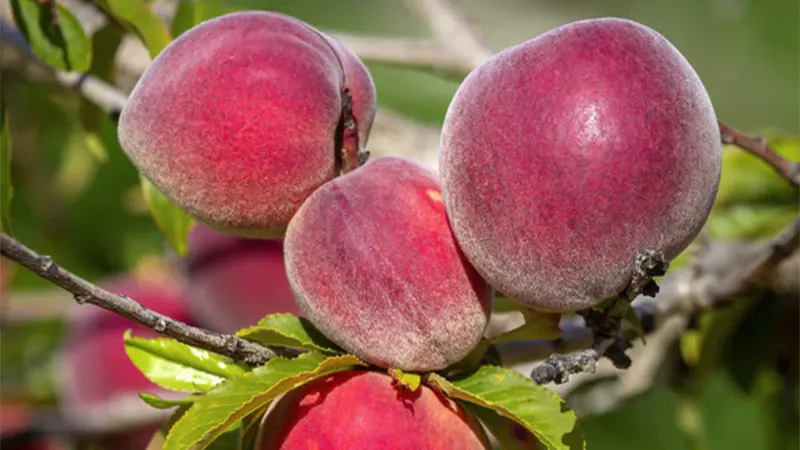
On top of that, the self-pollinating tree provides small, edible, and mostly ornamental white-fleshed peaches. It is a perfect specimen for small gardens as it does not take up much space.
Key Features and Benefits of Bonfire Patio Peach
- Bonfire Patio Peach tree is a moderate-growing dwarf tree, adding up to 12-18 inches of height every year once established.
- Using slow-release fertilizer in the early spring season, when the new growth begins, can lead to more abundant blooms.
- Features a compact, fibrous root system that spreads 12 to 18 inches deep and allows efficient nutrient uptake.
- Bonfire Patio Peach fruit, described as apricot-sized, ripe in late summer, with yellow skin and red overspread.
Care Guide, Advantages, and Disadvantages of Bonfire Patio Peach
- Growing Zone : USDA 5-9
- Sunlight Exposure : Requires 6-8 hours of daily direct sunlight for good fruit production.
- Water Needs : Needs consistent moisture. Water deeply once a week or 2-3 times per week in extreme summer heat.
- Soil Type : Requires well-drained sandy loam soil with slightly acidic to neutral pH.
Advantages
- The edible peaches offer extensive culinary benefits as they are used in jams, jellies, and pies.
- Highly resistant to common diseases like leaf spot and powdery mildew, and urban pollution.
- The compact size of this shrub works best for small spaces like balcony gardens and pots.
- It is self-pollinating and can produce fruit in the first year after being planted.
Disadvantages
- The fruit is generally considered “unpalatable” for fresh eating, often found to be tart or bland.
- The fruit remains highly attractive to pests, squirrels, and birds, which often eat up the crop.
- Leaves, stems, and pits contain toxic compounds that can be harmful if ingested by children and pets.
- While considered hardy, the early flowers are susceptible to the late frosts.


Christina Robertson –
I planted it last year in early spring. It is a perfect foraging tree that provides both striking visual appeal and edible fruits which can be used in many desserts.
Rochelle Wakefield –
The shrub offers show topping display of large double-petaled pink flowers in spring. In addition to that, thanks to its deep red foliage, my garden glows differently all summer long.
Adriana Louis –
I planted this low-maintenance shrub 2 years ago. Though I don’t find the peaches the best choice for fresh snacking, my grandmother makes amazing jellies with them that are loved by all in the family.
Jack Thomas –
With the high impact and dramatic colour contrast, the dwarf shrub has become the perfect addition to my garden. Highly recommended for all gardeners.
Andrew Lewis –
I ordered the Bonfire Patio Peach because I wanted a fruit tree that would work well in a smaller space. It arrived healthy and looks great in its pot. The colorful foliage is a nice bonus, and I’m excited to see how it develops.
Bob Rogers –
The Bonfire Patio Peach arrived in really good condition. I love how the darker foliage makes it stand out from my other plants. It’s currently on my patio, and I’m looking forward to seeing it grow and hopefully enjoy some fruit later on.