




Plant Description and Overview
| Common Name | Cherokee Brave Dogwood | Maintenance | Low to moderate |
|---|---|---|---|
| Native Region | Eastern United States | Average Height | 15-30 feet tall |
| Plant Type | Small deciduous flowering type | Average Width | 15-35 feet wide |
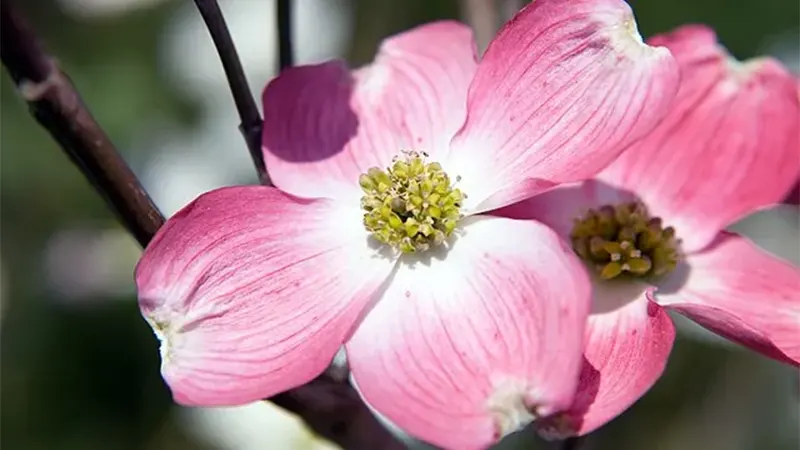
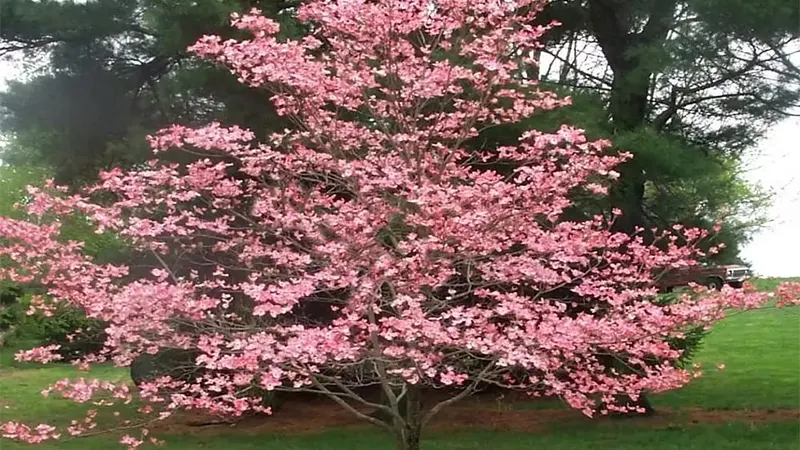
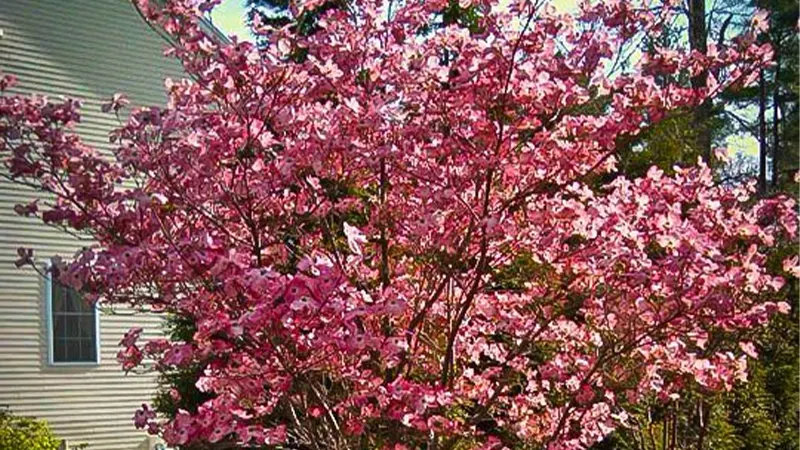
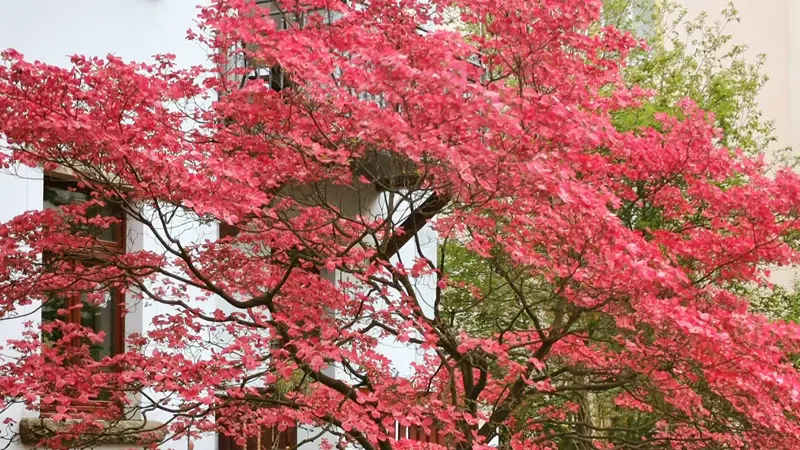
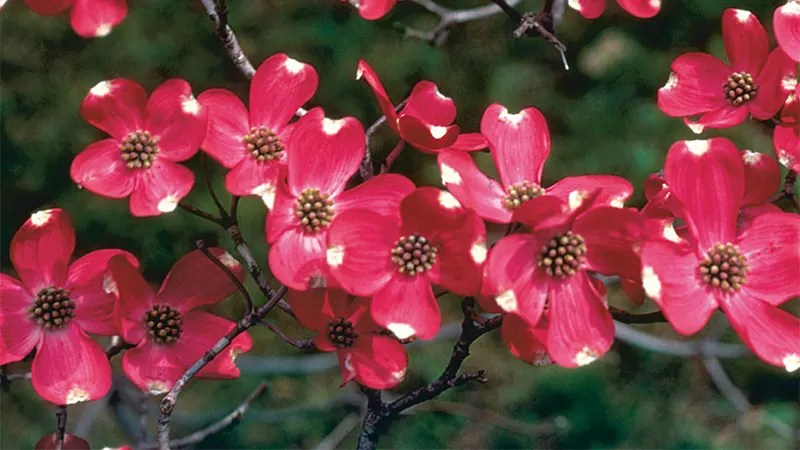
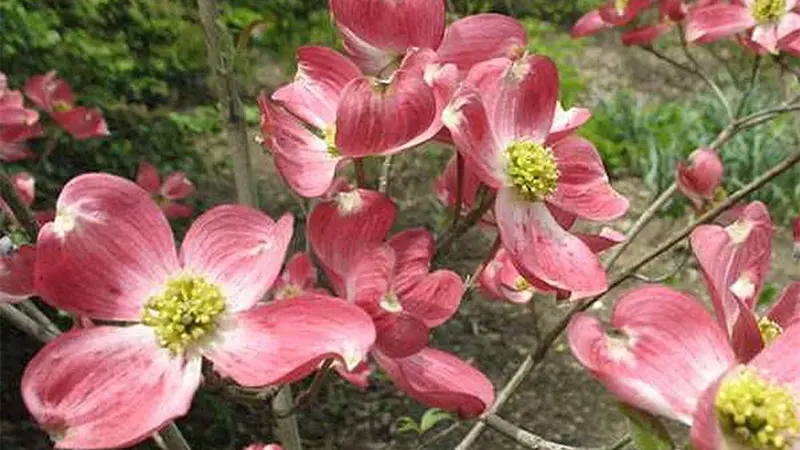
The Cherokee Brave Dogwood, botanically known as Cornus florida, is a popular ornamental tree recognized for its stunning pink-red blooms with a white center. If you are looking for an evergreen flowering shrub that instantly elevates the vibe of any space, this genus is your one-stop solution.
Key Features and Benefits of the Cherokee Brave Dogwood Tree
- Unlike the original species, the Cherokee Brave Flowering Dogwood is specifically bred to resist the anthracnose pest, making it an ideal choice for new plant parents.
- The species is also known to support local biodiversity with its alluring red berries, which tend to attract pollinators, including birds and small animals.
- Thanks to the manageable growth rate of the Cherokee Brave Dogwood tree, it is ideal for small- to medium-sized gardens or yards with limited space.
- If you wish to make your garden or front lawn more colorful and resilient, the Cherokee Brave Dogwood can be a perfect addition, bringing elegance and refreshing flair to any outdoor space.
Care Guide of Cherokee Brave Dogwood
- Growing Zone : 5-9 USDA
- Sunlight Exposure : Requires a minimum of 4-6 hours of direct sunlight; can also thrive in partial shade.
- Water Needs : Regular watering is needed to keep the soil moist, especially during a dry spell.
- Soil Type : Grows best in rich, loamy, well-draining soil with a neutral pH level.
Advantages and Disadvantages of Cherokee Brave Dogwood
Adventage
- Showcases stunning pink blooms/bracts and resistance to dogwood anthracnose.
- Compact size makes it ideal for a small garden or landscape.
- Performs well in partial shade and adapts to different soil types.
- Attracts pollinators and birds while providing seasonal interest.
Disadvantages
- Requires consistent water during establishment and struggles in prolonged drought.
- The growth rate is moderate, so it takes time to mature.
- Sensitive to poorly drained soil, which can cause root rot.
- Susceptible to powdery mildew without proper airflow.

Jimmy Black –
Britney Jones: I spotted this beautiful pink Cherokee tree at my cousin’s place. It looks stunning.
Annie –
Emily Wanderson: The flowers of the Dogwood genus are gorgeous. The pink shade instantly adds a pop of color to my whole garden.
Debadrita Chatterjee –
Oliver Getsburg: I have seen the showy orange leaves of this tree, and now the pink blooms also look so alluring.
Laura Elsner –
Derek Parks: I have recently added the pink Dogwood plant to my outdoor space and now spotted this orange one. Both are so astonishing and a treat to the eyes.