


| Common Name | Emperor I Japanese Maple, Red Emperor, Acer palmatum ‘Wolff’ | Maintenance | Low |
|---|---|---|---|
| Native Region | A cultivar originating from the species native to Japan, Korea, China, eastern Mongolia, and southeast Russia | Average Height | 10-20 feet |
| Plant Type | Small deciduous tree/shrub | Average Width | 10-20 feet |
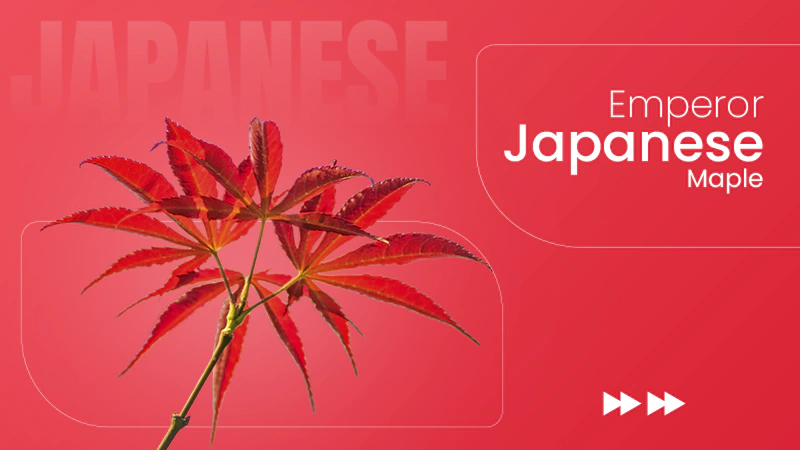
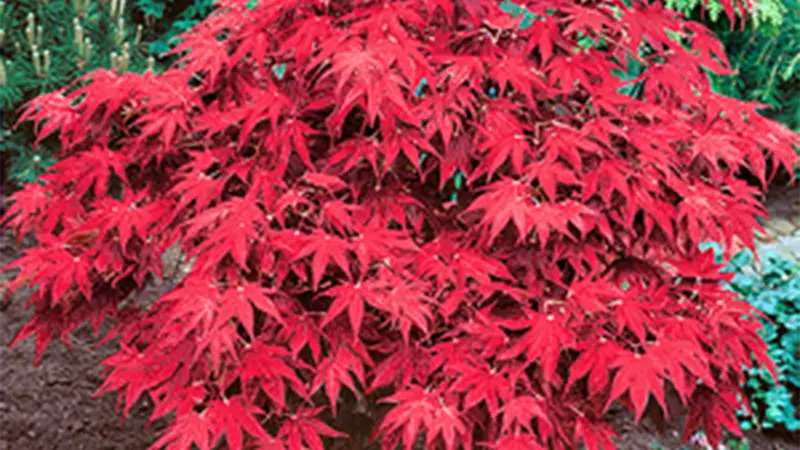
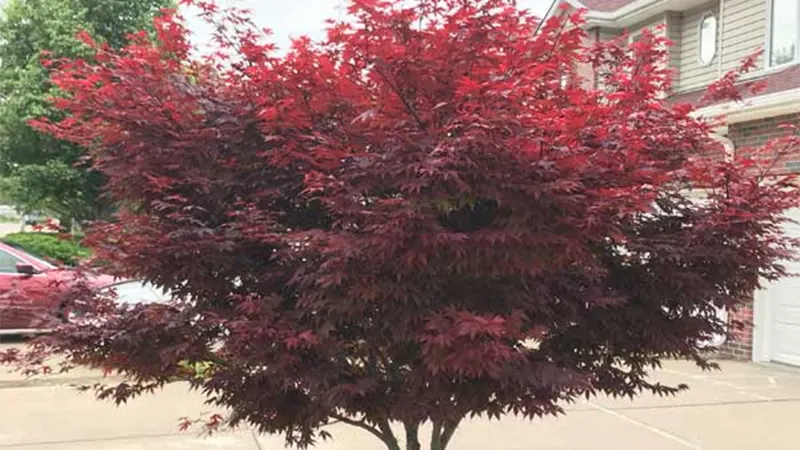
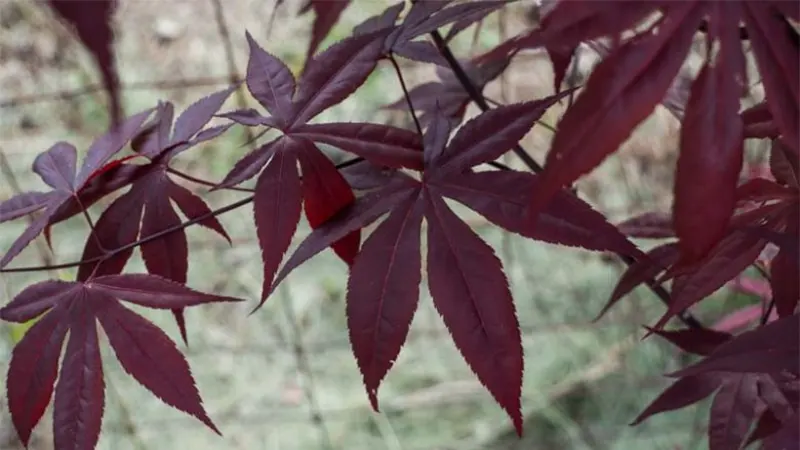
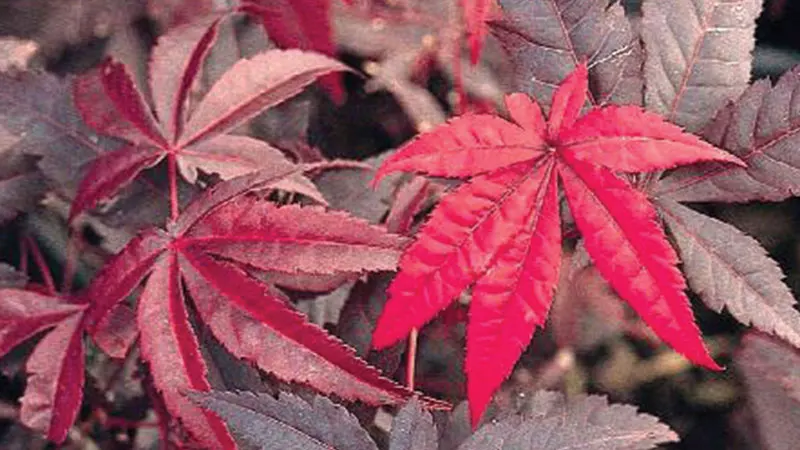
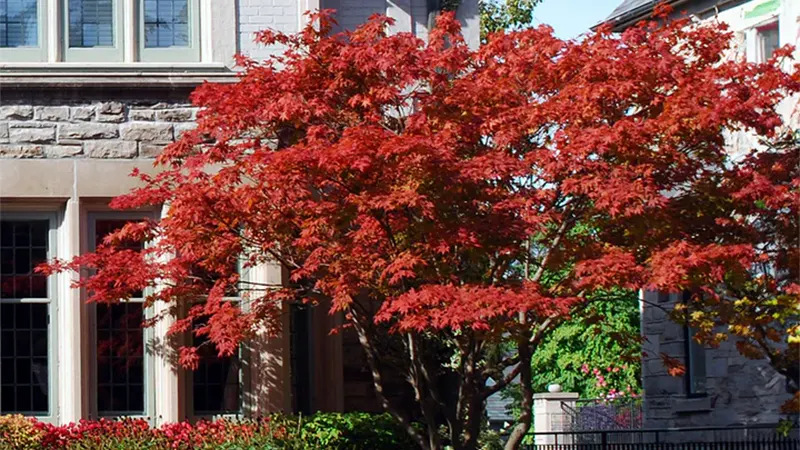
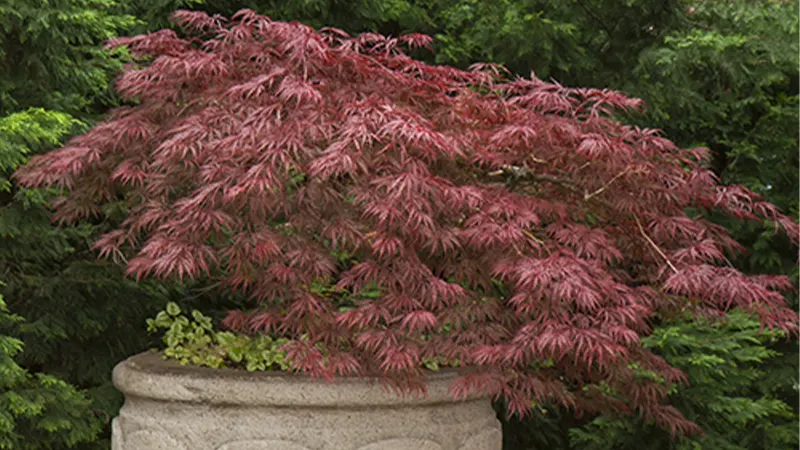
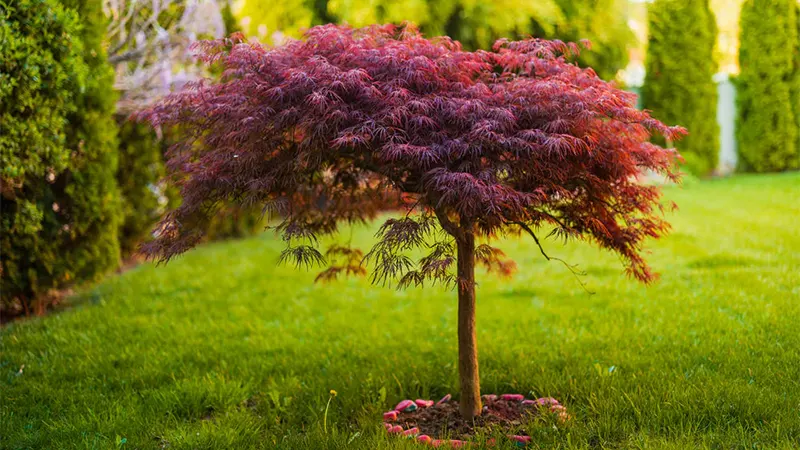
Emperor Japanese Maple, botanically called Acer palmatum ‘Wolff’, offers 3 seasons of rich red to purple colour to the landscape. It is a hardy, compact specimen perfect for small gardens. The tree is valued greatly for its wonderful growth habit and later-budding to avoid winter frost damage.
Key Features and Benefits of Emperor Japanese Maple
- Features the growth habit of upright, somewhat rounded, and spreading, typically reaching 10-20 feet in height and width.
- Emperor 1 Japanese maple provides structural interest in winter, due to its striking blackish-red bark and a graceful, open structure.
- Thanks to the non-invasive root system, they can be planted safely near foundations, sidewalks and containers without the fear of any damage.
- Japanese Maple Emperor is a fast-growing cultivar that adds a height of 1-2 feet every year and is well-known for its long lifespan of 30 to over 100 years if kept in excellent condition.
Care Guide, Advantages, and Disadvantages of Emperor Japanese Maple
- Growing Zone : USDA 5-8
- Sunlight Exposure : 6-8 hours of sunlight is best for abundant growth. Though in a hotter climate, afternoon shade is recommended to prevent leaf scorch.
- Water Needs : Requires regular watering in the initial 1-2 years and during dry spells.
- Soil Type : Needs well-drained, fertile soil with neutral to acidic pH levels.
Advantages
- Recognized for blooming about 2 weeks later than other maples, which helps this shrub to escape the damage from late spring cold snaps.
- The foliage retains vibrant burgundy red colour throughout the summer rather than turning bronze.
- Generally considered easy to care for once it gets established.
- Ideal for diverse landscapes, including containers, privacy screens, and patios.
Disadvantages
- It is susceptible to pests like aphids, scale, Japanese beetles and mites and diseases like Verticillium wilt, root rot, and leaf scorch if stressed.
- While found to be heat-tolerant, it requires consistent moisture and can not tolerate drying out.
- Excessive sun, heat and lack of watering can lead to leaf scorch.
- As a coveted cultivar, it could be more expensive than other japanese non-cultivars maples.


Michael Thomas –
Because of my lifelong interest in gardening, I have seen countless breathtaking maples. I have found that the best part about this variety is that it holds its burgundy red colour throughout the season, unlike other maples that turn green.
Patricia Brown –
In autumns leaves fell off, exposing the dark red, beautiful bark that offers winter interest when the rest of the surroundings go dull.
Susan Wood –
My father planted this shrub some years ago. At that time, we had no idea that it would become a perfect garden decor after growing up with its bright scarlet red display.
Joseph Miller –
The tree is there in my friend’s front yard. It offers season long sizzle to the landscape. I planted it a week before in a container, counting down the days to see it flourish.
Andrew Lewis –
I bought the Emperor Japanese Maple from YourHomify because I wanted a tree with striking foliage, and I’m really glad I did. It arrived healthy and well-packed, with a nice shape already. I’m excited to see how the color develops through the seasons.
Bob Rogers –
The Emperor Japanese Maple arrived in great condition and looks beautiful in its new spot. I especially like the rich red foliage and the delicate shape of the leaves. It adds a much more interesting look to my garden.