






Hicks Yew Description and Overview
| Common Name | Hicks yew (also known as Hicksii Yew or Taxus Hicksii | Maintenance | Low-maintenance |
|---|---|---|---|
| Native Region | A hybrid of English yew and Japanese yew (widely cultivated in North America) | Average Height | 10-15 feet |
| Plant Type | Needled evergreen shrub | Average Width | 3-6 feet |
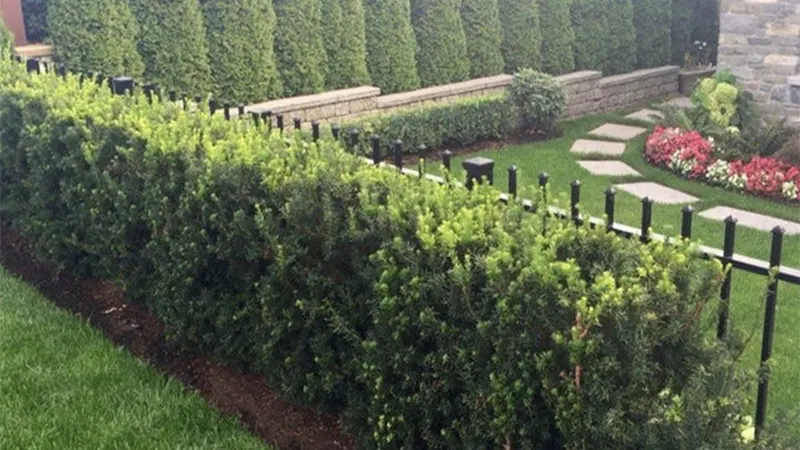
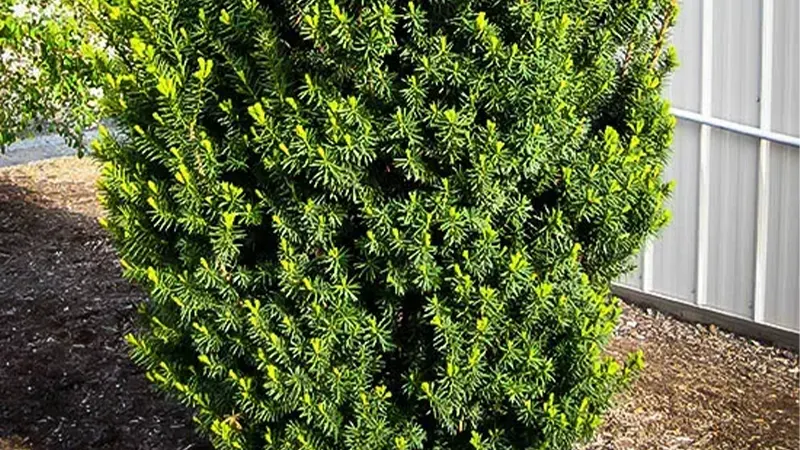
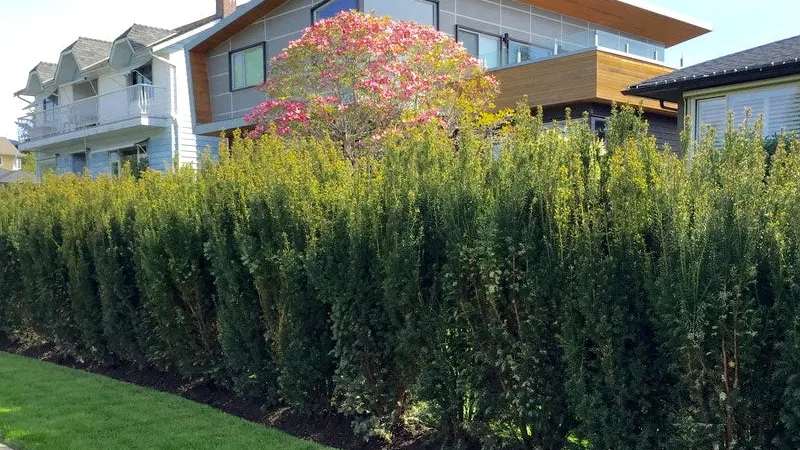
Hicks Yews, with their tall, sturdy, upright growth and dark-green needle-like foliage, are perfect plants for hedges, foundation plantings, and privacy screens. Furthermore, this shrub produces red fruits mostly during the late summer.
This genus was introduced by Henry Hicks of Hicks Nurseries in 1924 in New York. During extreme winter, their deep green color changes into a slight bronze or purple.
Key Features and Benefits of the Hicks Yew Shrub
- The Hicks Yew plant is adaptable to various climatic conditions, requires minimal care, and is used as a natural fence.
- The strong root of the Hicks Yew bush prevents soil erosion and attracts many pollinators, like bees and birds.
- Some parts of the Hick Yews shrub contain chemical compounds that are used in cancer treatment.
- Certain parts of this genus are considered to be poisonous, as they may cause stomach issues and slow down the heart rate.
- These plants are highly drought-tolerant and deer-resistant.
Care Guide, Advantages, and Disadvantages of Hicks Yew
- Hardiness Zone : USDA Zones 4-7
- Light Exposure : Full sun to full shade
- Soil Type : Well-drained soil
- Water Needs : Requires consistent, regular watering
Adventage
- Hicks yew hedge is perfect for a tall, narrow privacy screen, as it doesn’t take much space to grow.
- This genus is highly tolerant and hardy.
- It is versatile in nature and can thrive in different types of soil.
- It is a perfect option for areas with a high deer population, due to its highly deer-resistant properties.
Disadvantages
- Some parts of the plant contain taxine alkaloids, which are toxic to humans and animals.
- They take several years to reach maturity.
- These plants are intolerant of wet soil.
- Hicks Yew shrubs can get infected by pests like mealybugs or black vine weevils.



Debadrita Chatterjee –
Max Jackson: My Yew Hicks bears small red berry-looking fruits. The dark green leaves and red berries make an amazing contrast.
Annie –
April Lewis: I spotted these evergreen Yew Hicksii in my neighbourhood. Looks stunning.
Jimmy Black –
Gwen Austin: It is a beautiful evergreen plant. Can thrive in various climatic conditions.
Laura Elsner –
Noah Hawkins: It makes an aesthetic border cover for my garden.