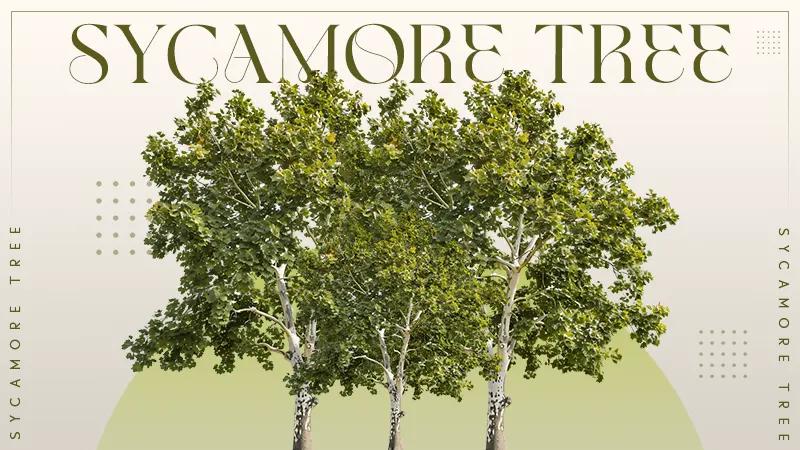
Sycamore Tree is known for its distinctive peeling bark, ecological benefits, and iconic maple-shaped leaves. Beyond the environmental impact, these trees are also said to improve mental health.
Sycamore, American sycamore, buttonball tree, buttonwood, western planetree, American planetree
Native Region
United States
Plant Type
Tree
Maintenance
Low
Average Height
80-100 feet
Average Width
50-70 feet
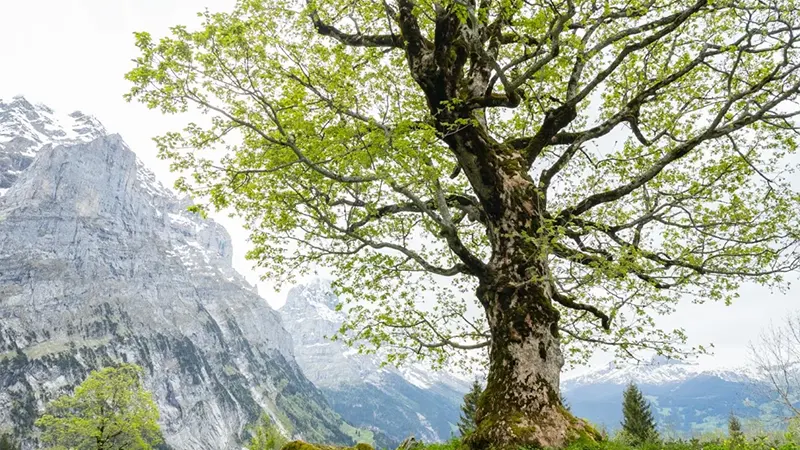
The Sycamore tree is one of the most renowned and widespread deciduous trees, commonly found across North America, Europe, and parts of Asia. Widely appreciated for their massive trunks and canopy-like structure, the Sycamore trees are both ecologically and culturally impressive.
These trees usually grow up to 100 feet. If you are looking for a tree that’s strong, beautiful, and gives shade, the American Sycamore has got you covered.
Key Features and Benefits of the Sycamore Tree
Apart from offering shelter to birds and insects, the seeds of the tree are mostly used as a food source for squirrels and other small mammals. The species contributes to the ecosystem and enhances biodiversity. The medicinal properties of the sycamore can treat cough and dysentery.
Sycamore trees thrive well in optimal sunlight, approximately 6 hours per day. During the early stages, they need to be watered consistently. Once established, they are fairly drought-tolerant.
American sycamore trees are one of the fastest-growing trees, reaching up to a height of 3-6 feet over a year. Sycamores are among the largest deciduous trees in North America and are often called “buttonwood trees” due to the structure of their seeds.
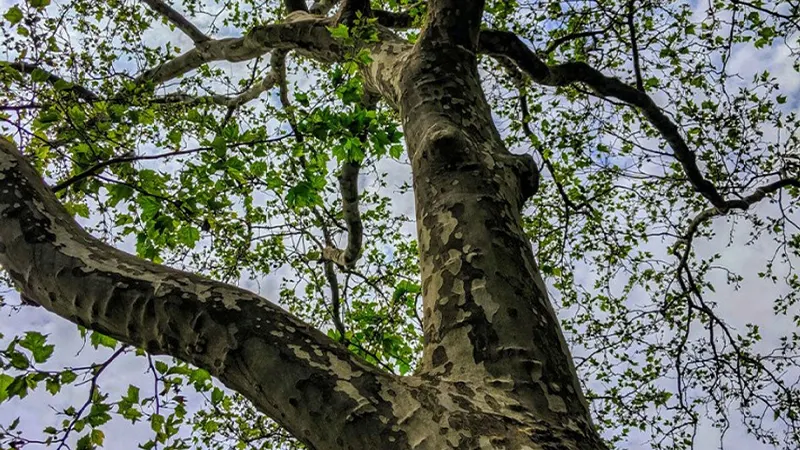
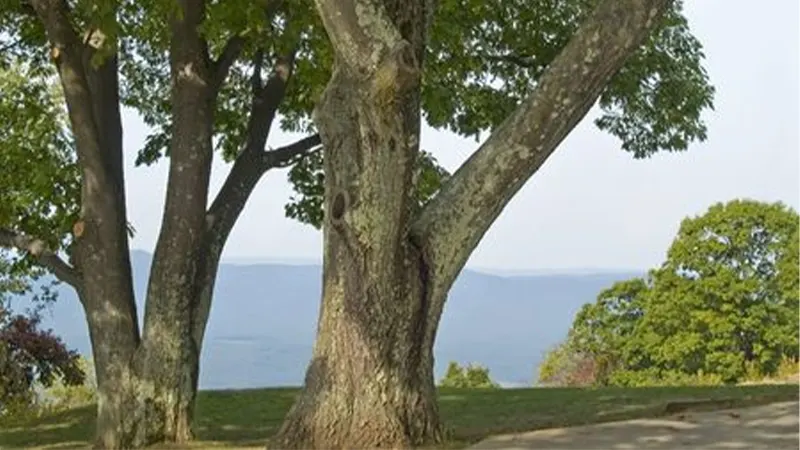
Almost all the cultivars of the Western Sycamore can be easily recognised due to their flaky bark. The trunk of this genus is typically soft and light gray when young, but after maturity, it begins to peel off in irregular patches.
Care Guide for the Sycamore Tree
Hardiness Zone
4-9 USDA
Sunlight Exposure
Grows best in bright, direct sunlight. Thrives well in partial shade also.
Water Needs
Although drought-tolerant, it is often advised to water the tree evenly to keep the soil moist.
Soil Type
Plant in a loamy but permeable soil for best growth. However, it can be grown in various soil types.
Bloom Time
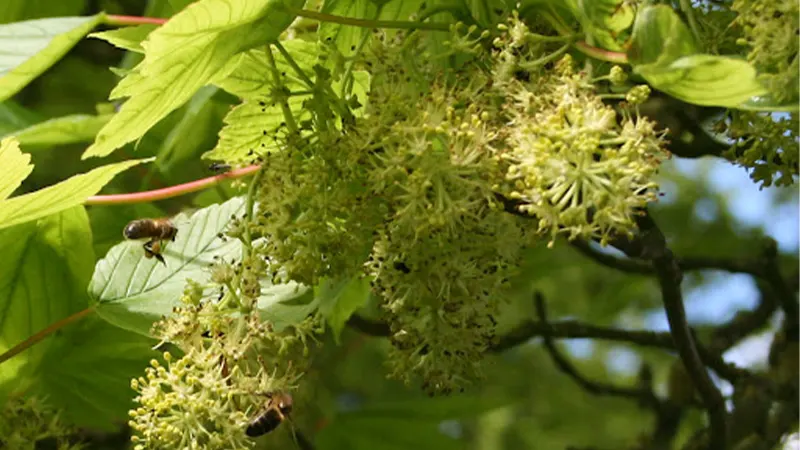
April to June
Advantages and Disadvantages of the Sycamore Tree
Advantages
Disadvantages
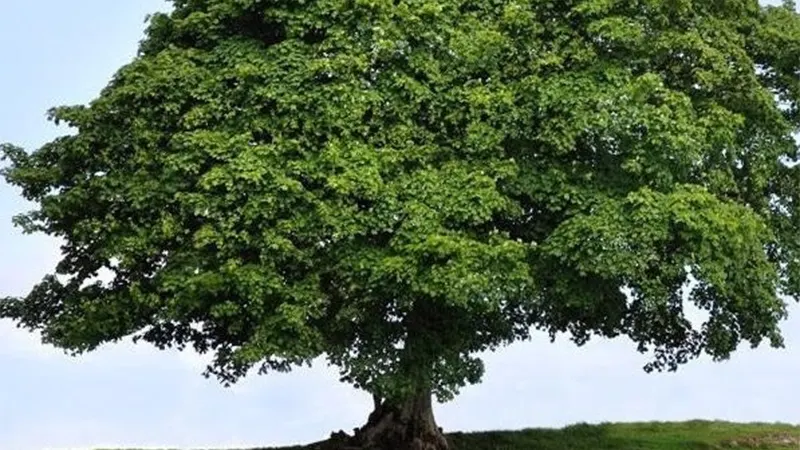
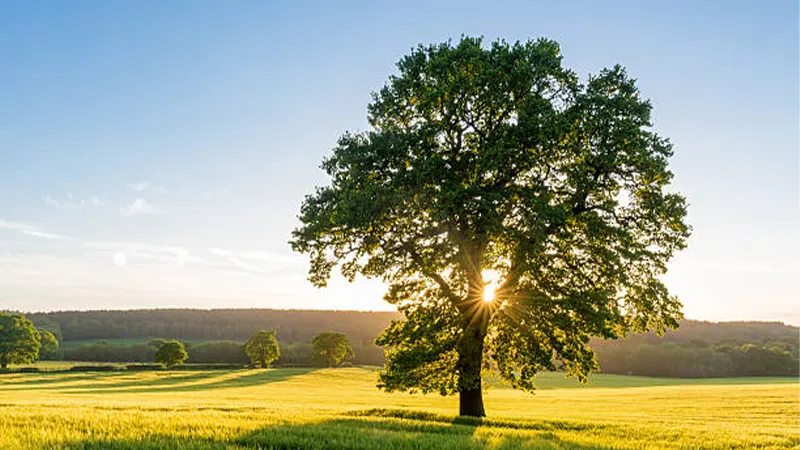
Known for their large and wide canopies, Sycamore trees provide excellent shade during summer, making them great for parks, streets, and yards.
The extremely large size of the American sycamore tree can outgrow small spaces, interfering with sidewalks; hence, they are not ideal for residential yards.
This cultivar has an exceptional urban resiliency, hence it is tolerant of pollution and compact soils.
The brittle branches of large trees can break easily during storms, creating a hazard for the homes nearby.
The sycamore trees support the ecosystem by acting as a hub for wildlife, providing them with food, and the huge trunk offers a nesting space for birds.
The tiny hair on the leaves and seed pods can cause skin irritation and allergic reactions, such as coughing and itching, in some people.
Apart from the aesthetic appeal, the durable wood of the American sycamore tree can be used to make furniture, flooring, and more.
Sycamore trees are prone to diseases, most commonly, sycamore anthracnose, which can cause leaf dropping, brown foliage, defoliation, and more.
Frequently Asked Questions
What does a sycamore tree look like?
A sycamore tree has a wide canopy-like structure and a massive trunk. It’s a fast-growing tree that reaches up to a height of more than 100 feet, and the Sycamore tree leaves are large, maple-shaped.
How fast do sycamore trees grow?
This tree grows 3-6 feet per year.
How long do sycamore trees live?
These are long-lived trees and can live up to 200-300 years.
What is the downside of Sycamore trees?
The bark of the tree begins peeling, and the leaves also start shedding during autumn, which tends to create a mess. Also, the tiny hairs on the seeds of the tree can cause a mild skin infection.
Can you eat Sycamore tree fruit?
Yes, the fruit of the Sycamore tree is said to be edible.
Reviews
6 reviews for Sycamore Tree | It Is a Large, Fast-Growing Shade Tree
Rated 5 out of 5
Amelia Foster –
With a large canopy, the Sycamore tree is a perfect shady tree, keeping it cool during summer. My kids love playing under this tree.
Rated 4 out of 5
Lucas Benett –
The trunk of this tree is really impressive. Once it is fully grown, it begins to peel off automatically.
Rated 5 out of 5
Lily Morgan –
Spotted this beautiful Sycamore tree in a garden today, and it looks so majestic. Planning to grow this in the nearby park.
Rated 5 out of 5
Chloe Ward –
The fruits of this tree are edible and tasty. My family and I enjoy sitting under the shade of this beautiful tree.
Rated 4 out of 5
Bob Rogers –
I purchased a Sycamore Tree from YourHomify and was very happy with the quality. It arrived healthy and well-packed, with strong branches and fresh foliage. It’s settling into my garden nicely, and I’m excited to watch it grow.
Rated 4 out of 5
Andrew –
Bought a Sycamore Tree from YourHomify and had a great experience. The tree arrived in good condition and looked fresh and healthy. It has already added a beautiful natural touch to my landscape. Very pleased with my purchase!






Amelia Foster –
With a large canopy, the Sycamore tree is a perfect shady tree, keeping it cool during summer. My kids love playing under this tree.
Lucas Benett –
The trunk of this tree is really impressive. Once it is fully grown, it begins to peel off automatically.
Lily Morgan –
Spotted this beautiful Sycamore tree in a garden today, and it looks so majestic. Planning to grow this in the nearby park.
Chloe Ward –
The fruits of this tree are edible and tasty. My family and I enjoy sitting under the shade of this beautiful tree.
Bob Rogers –
I purchased a Sycamore Tree from YourHomify and was very happy with the quality. It arrived healthy and well-packed, with strong branches and fresh foliage. It’s settling into my garden nicely, and I’m excited to watch it grow.
Andrew –
Bought a Sycamore Tree from YourHomify and had a great experience. The tree arrived in good condition and looked fresh and healthy. It has already added a beautiful natural touch to my landscape. Very pleased with my purchase!