


| Common Name | Wintergreen Boxwood, Korean Boxwood, and Littleleaf Boxwood | Maintenance | Low to moderate |
|---|---|---|---|
| Native Region | Far East, specifically Korea, China, and Japan | Average Height | 2-4 feet |
| Plant Type | Broadleaf evergreen shrub | Average Width | 3-5 feet |
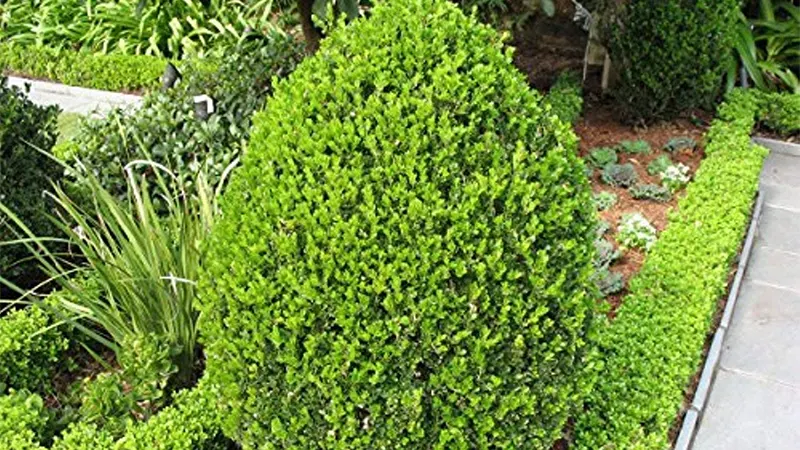
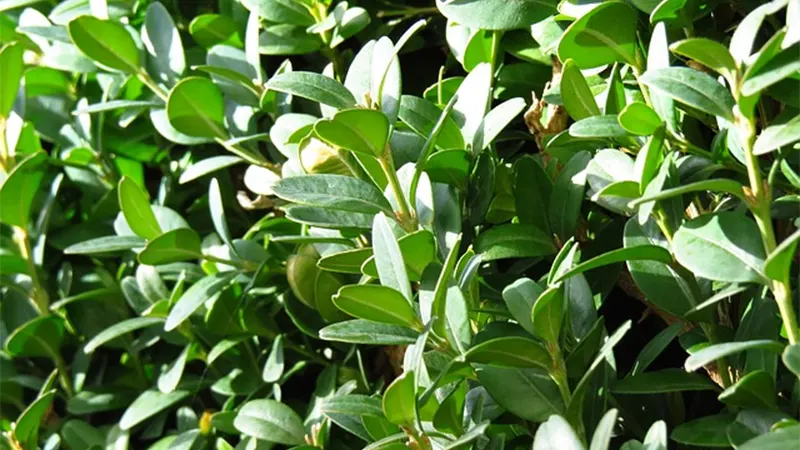
Wintergreen Boxwood shrub, botanically called Buxus sinica var. insularis ‘Wintergreen’, is an evergreen, rounded, broadleaf shrub with vibrant, glossy light green foliage. Offering the perfect balance of simplicity and beauty, it is praised by gardeners for being cold-hardy and maintaining its lush color even during frosty winters.
Key Features and Benefits of Wintergreen Boxwood
- Being highly durable, wintergreen boxwood shrubs hold their colour throughout all seasons better than other varieties, where the leaves turn brown in winter.
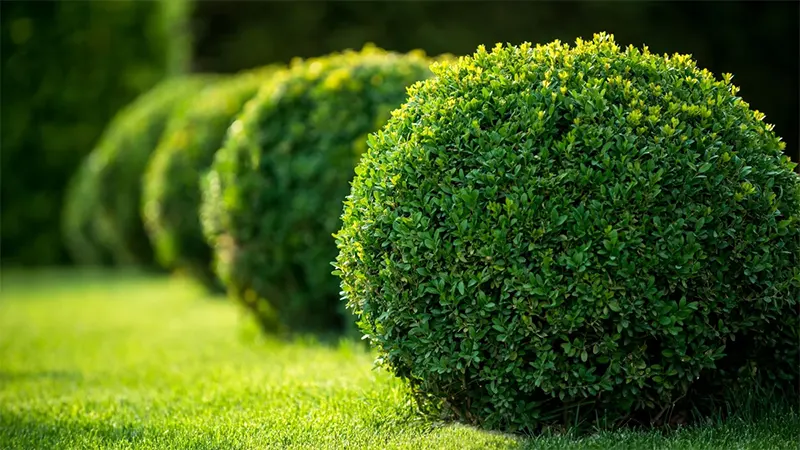
- Thanks to its slow growth of 2-3 inches per year, it requires minimal effort to mold its shape; it’s naturally rounded and tidy.
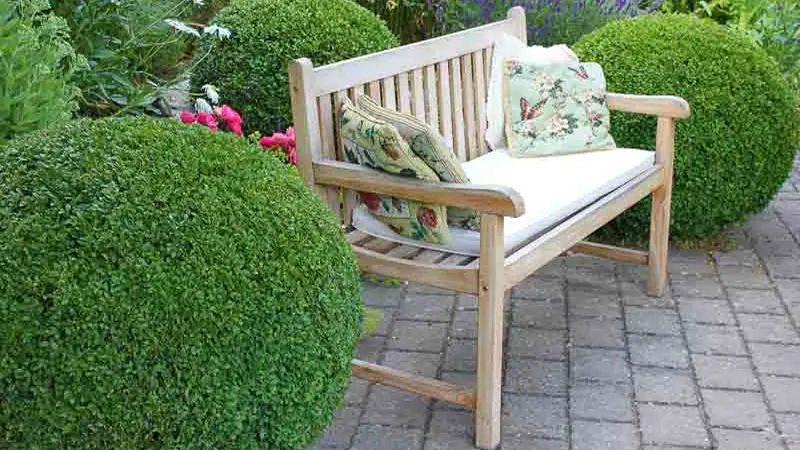
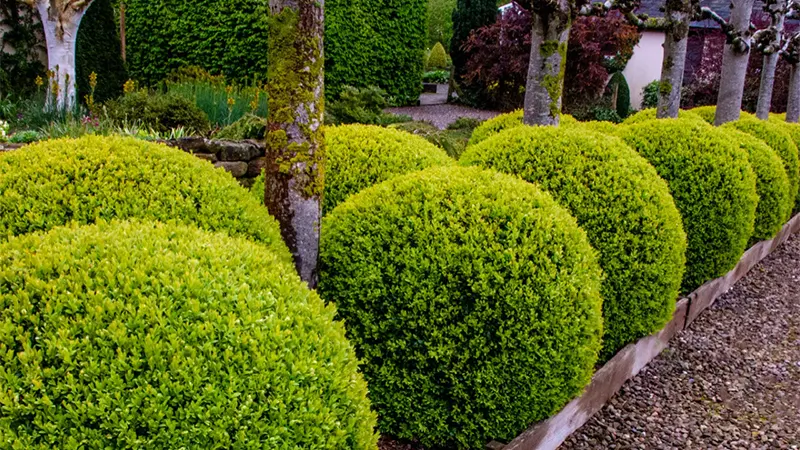
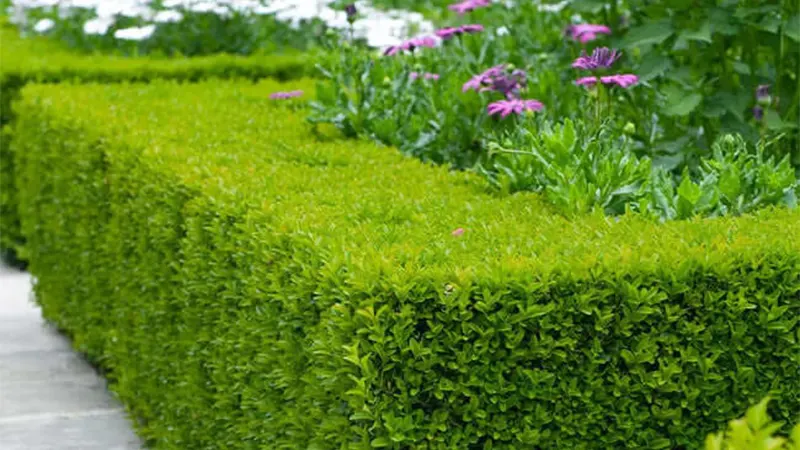
- The wintergreen boxwood bush is ideal for beautifying diverse landscapes, including topiaries, spheres, and formal hedges, because of its natural round shape.
- Needs balanced, slow-release fertilizers in the early spring before the new growth begins.
Care Guide, Advantages, and Disadvantages of Emerald Blue Creeping Phlox
- Growing Zone : USDA zones 5-8
- Sunlight Exposure : Requires 4-6 hours of direct sunlight daily. It can tolerate full shade, but it may lead to slower growth.
- Water Needs : Regular water intake is crucial in the first 1-2 years to establish its root system. Once established, it is moderately drought-tolerant, needing average moisture.
- Soil Type : Adaptable to well-draining soil types, including clayey, loamy, and sandy.
Advantages
- Highly resistant to deer, pests, salt sprays, and many diseases.
- It can be planted in an urban setting as it is resilient to urban pollution and adaptable to distinct soil types.
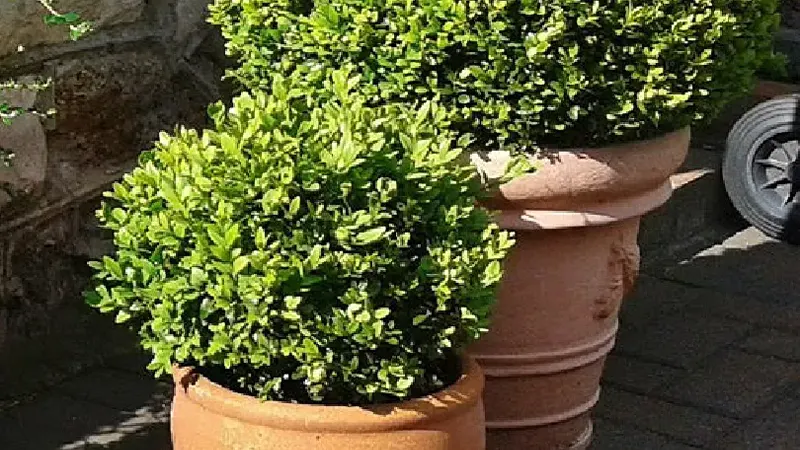
- Potential to be used diversely, including foundation plantings, hedging, borders, and container planting.
- Handles shearing well and requires minimal pruning because of the slower growth.
Disadvantages
- Grows comparatively slowly, takes time to fill the hedge.
- Susceptible to spider mites and insects like leafminers and wax scales, along with root diseases.
- In a colder climate, it may require protection from harsh winds and the sun to prevent moisture loss and burning.
- All parts of the shrub are toxic to dogs, cats, and horses if they are ingested.


Jenny Atwood –
They provide elegant and permanent greenery in my entryways. I love how their rich colour makes the other vibrant flowers pop.
Linda Thomas –
I have paired these broad-leafed plants with ornamental grasses, which wonderfully contrast with each other.
Sam Moore –
My friend planted this shrub around 2 years ago, and now it has grown significantly, taking a rounded form. It is best for garden enthusiasts who find pruning a tiresome task, as it is naturally structured and tidy.
Henry Baker –
It adds a living architecture in my garden with its light green leaves and dense structure, becoming a must-have to enhance the aesthetics of the outdoor area.
Bob Rogers –
I’m really happy with the Wintergreen Boxwood. It looks fresh, natural, and beautiful, and the quality is better than I expected.
It added a lovely touch to my space, and I’m very pleased with the result.
Andrew Lewis –
Bought the Wintergreen Boxwood as a simple decoration and really liked how it turned out. It looks even better in person, and the size was just right for where I wanted to place it.