Finding a scorpion in your house is scary enough, particularly when it keeps happening even after trying many do-it-yourself solutions. Though scorpions can be killed using available chemicals and traps at home, such solutions are never able to get to the underlying cause of the scorpions being present. Scorpions are nocturnal animals who are quite good at hiding, and small cracks in walls serve as their entrance into people’s houses.
This is where professionals step in and perform inspections throughout your house to discover what areas the scorpions hide in and how they are getting into the house.
How Professionals Find Where Scorpions Are Actually Hiding
DIY methods usually focus on the scorpions that are visible, but professional pest control targets the places they hide and the routes they use to get inside the house. These professionals check common entry points such as gaps around utility lines, damaged weather stripping, cracks in the foundation, block wall voids, and dense landscaping close to the home.
By identifying these hiding places and addressing the conditions that attract scorpions, professionals can reduce the likelihood of future infestations rather than simply treating the scorpions that have already made their way indoors.
Why Store Bought Sprays Rarely Solve the Problem
The sprays bought from stores only kill scorpions on direct contact, and only for a short window afterward. Scorpions that avoid the treated area entirely, or enter through another entry point a week later, are completely unaffected. That’s why homeowners often spray repeatedly and still keep finding scorpions indoors.
The Missing Piece Is the Habitat, Not Just the Bug
A DIY approach often focuses on the scorpions you can see. A professional service takes one step ahead by identifying and addressing the conditions that attract them to your property in the first place, including:
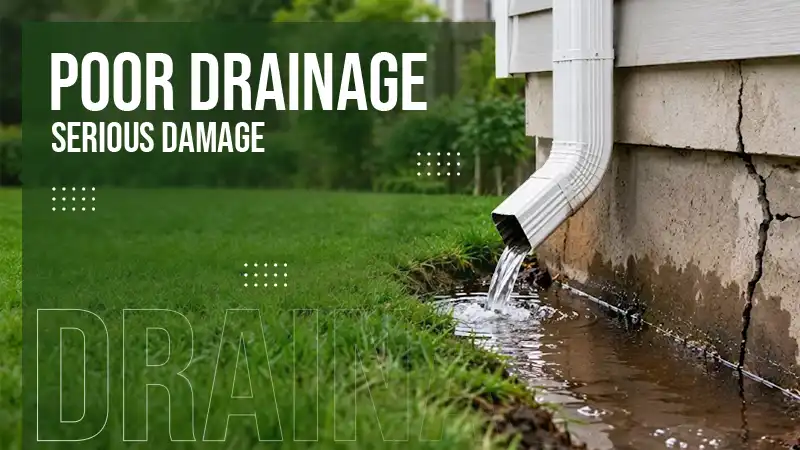
- Moisture sources near the foundation that attract the insects scorpions feed on.
- Woodpiles, rock gardens, and dense ground cover that provide shelter close to the home.
- Cracks, expansion joints, and utility penetrations that allow scorpions to enter the house.
- Outdoor lighting that attracts insects, creating a steady food source for scorpions.
By reducing these attractants as well as treating the current population, professional pest control provides a more effective, long-term solution than simply dealing with the scorpions you happen to find.
How a Professional Treatment Plan Actually Works
A licensed and experienced exterminator typically combines a few different approaches rather than relying on one single spray. This usually includes:
- Inspection of the property to identify hiding spots and entry points
- Targeted treatment around the foundation and known harborage areas
- Sealing recommendations for entry points such as gaps and cracks where scorpions get inside
- A follow-up schedule, since one visit rarely solves an established scorpion problem
This multi-layered approach is the main reason professional treatment tends to last longer than any spray can.
If your home has been struggling with recurring scorpion sightings, working with a scorpion exterminator in Las Vegas who understands the desert conditions scorpions thrive in usually gets better results than repeated trips to the hardware store. The experts at Fortified Pest Management recommend checking entry points and habitat conditions alongside treatment to help address the source of the problem.
Why Scorpion Stings Shouldn’t Be Taken Lightly
Although most scorpion stings in America are painful and result in swelling without leading to any serious consequences, they should not be ignored. The Arizona bark scorpion, which is common in the desert Southwest, can cause more severe reactions in young children, older adults, and some vulnerable individuals.
A nationwide review of poison control data found that of more than 185,000 scorpion exposure cases reported between 2005 and 2015, Nevada was among the top contributing states along with Arizona and Texas. That’s a strong signal that scorpion presence near Las Vegas homes isn’t unusual at all, and finding entry points matters more here than in most parts of the country.
Even if it does not happen often, there is always a risk of developing symptoms such as numbness, muscle twitching, or difficulty breathing that require immediate medical attention. That’s why preventing scorpions from entering your home is a much safer approach than dealing with a sting after it happens.
Simple Habits That Help Between Treatments
Effective professional scorpion control works best when combined with a few simple preventative measures at home. These everyday habits will make your property less inviting to scorpions and help maintain the results of professional treatments.
Here are a few practical steps you can take:
- Keep firewood, rock piles, and other outdoor storage away from your home’s foundation, as these areas provide ideal hiding places.
- Close all gaps and cracks around doors, windows, vents, and utility lines to reduce potential entry points.
- Reduce unnecessary outdoor lighting at night, which attracts insects that scorpions feed on.
- Shake out shoes, towels, clothing, and bedding before use if scorpions have been spotted around your property.
These simple measures alone will not remove scorpions, but will keep them from coming back to your place.
Conclusion
Scorpions are among those pests where a quick fix rarely holds up. Any DIY sprays might knock down what you see today, but they don’t address the habitat and entry points bringing scorpions back week after week.
A professional pest control looks at the property as a whole, targets the actual source of the problem, and follows up over time, which is exactly the kind of approach that prevents scorpions from being a constant problem in your house.
FAQs
Why doesn’t DIY scorpion control work for long?
Scorpion extermination sprays typically eliminate only those scorpions that they come into contact with and ignore potential nests, entry points, and the factors attracting the pests.
How do exterminators protect against future scorpion infestations?
They do this through treatment, habitat elimination, entry point elimination, and follow-up services.
How frequently should treatments for scorpions be performed by professionals?
It is determined by the infestation level and other factors, but it is advisable to perform maintenance treatments in places that pose a risk.
What measures should homeowners undertake between the treatments by the professionals?
They include sealing any gaps, dimming outside lights, eliminating debris near the house, and checking shoes and clothes for scorpions.