The rise of the co-living economy has converted what once was just shared housing during college, merely as a transitional step towards adulthood into a real way to live with others. With the continued increase of urban rent, having the ability to create a safe, organised, and effective household has become an essential skill that is required for both economic and emotional stability.
However, have you ever considered how living in an organised shared environment can provide you with the “silicon shield” for your mental well-being? An organised household creates a stable social support network and gives you access to the safety and security of others, which is powerful in helping you manage through an increasingly complicated world.
KEY TAKEAWAYS
- Leveraging room rentals allows for higher-quality housing in premium neighborhoods while keeping individual costs low.
- Establishing written ground rules and digital payment tracking prevents 90% of common household conflicts.
- Stable, shared housing models are scientifically linked to lower rates of anxiety and depression through consistent social support.

Setting Clear Ground Rules
To avoid disagreements among housemates who live together, it’s best to develop ground rules as soon as possible, such as quiet hours and a guest policy so that everyone knows what is expected when they use shared space. This lays down a foundation for communal use of shared space.
Finding a good fit makes daily life much easier for everyone involved. Many people search for room rentals to find compatible housemates in their city. This helps match lifestyle habits before anyone moves in.
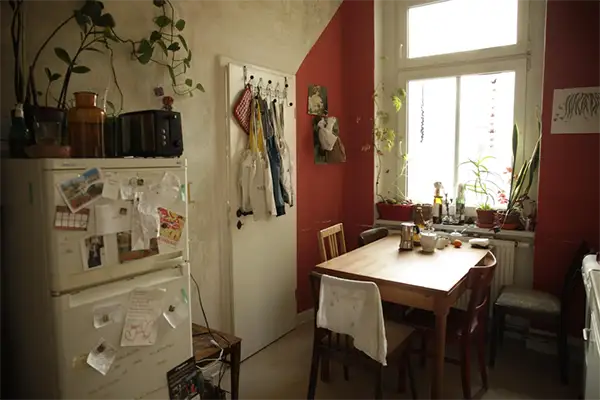
Document these rules so that everyone knows what they are in the future. Ensure that everyone has access by creating a copy to post on the refrigerator or in a group chat. Having an actual document eliminates any confusion regarding what was agreed to.
Managing Shared Finances
Rent is only one part of the cost of living together. Utilities and household supplies need a fair splitting system to avoid stress. Discussing these costs upfront prevents awkward conversations later in the month.
Use an app to track who bought household items like toilet paper and cleaning sprays, so all housemates are held accountable and no one person pays. By tracking electronically, housemates can easily look up who owes for what, rather than having to guess.
Set a monthly date for everyone to settle up their debts. Clear communication prevents money from becoming a source of tension. It is better to handle these payments quickly so no one feels cheated.
Shared Living and Mental Health
Living with others can provide a strong sense of community and support. A 2026 study found that residents in cohousing communities have lower levels of depressive and anxiety disorders compared to those in traditional neighborhoods. Having a support system right outside your bedroom door improves your daily mood.
Spending time with others in a social gathering or sharing a meal reduces feelings of isolation.
Social interaction is also one factor contributing to the increase in popularity of shared housing. Shared dinners and movie nights provide an opportunity for all residents to feel like part of a family.
Balancing social time with personal space is the key to happiness. Make sure your bedroom is a sanctuary where you can recharge alone. Respecting boundaries allows everyone to enjoy the social perks without feeling overwhelmed.
Organizing Communal Spaces
The kitchen and living room are the heart of any shared home. Keep these areas tidy so everyone feels comfortable using them. A clean environment reduces stress for everyone living in the house.
Assign each housemate a space in both the pantry and refrigerator. Labeling all items will help to avoid accidental “borrowing” of snacks or other food items. This simple act of organization helps to keep the kitchen tidy as well as reduce the amount of food waste.
- Rotate deep cleaning tasks every weekend
- Keep personal items out of the hallway
- Empty the dishwasher as soon as it finishes
The Need For Stable Housing
Finding a reliable place to live is a major factor in overall well-being. A 2026 meta-analysis estimated that 76.2% of individuals experiencing housing instability live with a current mental disorder, highlighting the need for supportive housing models. Stability provides the foundation for a healthy and productive life.
Where your living environment is secure to make it possible for you to devote your full attention to both your craft and aspirations. A signed lease establishes this sense of security and provides the ability to plan further into the future with comfort, thus lifting the anxiety caused by worrying about where one will reside.
Shared living offers a more affordable path to this stability for many people. It allows for higher quality housing in better neighborhoods than living alone. Saving money on rent provides more freedom for other life goals.
Handling Conflict Gracefully
Disagreements are bound to happen when living in close quarters. Address issues early before they turn into major arguments. Small problems are easier to fix when they first appear.
How to deal with residents before using passive-aggressive notes: Talk directly to the person involved rather than leave passive-aggressive notes.
Additionally, ask for their side of the story and how you both can reach an acceptable solution together. If you speak plainly, this will also assist in the resolution of conflicting issues without causing harm to someone else.
Compromise is the secret to a long-term roommate relationship. Small concessions make a big difference in maintaining a peaceful atmosphere. A little flexibility goes a long way in a shared household.
Keeping the Home Secure
Safety should be a top priority for every resident in the building. Keep doors locked and be mindful of who has access to the keys. Taking security seriously protects everyone and their belongings.
Have a candid discussion with your landlord regarding how to handle repairs and maintenance. For example, reporting any issues (e.g., broken window, broken lock) in a timely manner will ensure that the residence remains a safe environment; therefore, by maintaining the property you create a safe home for everyone living there.
Trust your gut when interviewing potential new roommates for the spare room. A safe home starts with choosing the right people to share it with. Take your time to find someone who shares your values on safety and tidiness.
Living with others is an adventure that creates numerous opportunities both financially and socially. Establishing good communication and preplanning helps to facilitate effective shared living. Together with the right combination of individuals; you can create a wonderful life with great potential by establishing your dream living arrangement.
If you want an adequately organized and safe home for everyone involved, simply follow these steps. Whatever your ideal living arrangement may be, it is closer than you think if you take the proper approach. Take advantage of shared housing benefits today!
FAQ
What is the best way to split utilities?
Using a digital app is the most transparent way to track and settle utility costs.
How do we handle a roommate who doesn’t clean?
Address the issue directly during a house meeting. Refer to the written ground rules and consider a “chore rotation” system to ensure fairness.
Is shared living safer than living alone?
Statistically, yes. Having multiple people in a house increases security awareness and ensures someone is likely present to handle emergencies or maintenance issues.
What should I look for in a room rental?
Prioritize housemates with similar “cleanliness levels” and sleep schedules to minimize daily friction.