A good home is better able to stand up to the rigours of daily use, changing weather and the natural ageing of building materials.
While all properties will deteriorate to some degree over time, proactive maintenance and smart improvement decisions can greatly extend their lifespan. Homeowners who are proactive about maintenance will have fewer surprise repairs and can keep their homes functional and looking good for years to come.
Many factors contribute to the lifespan of a home, including moisture exposure, temperature changes, quality of materials and maintenance habits. If you ignore small issues, they can turn into bigger issues over time.
But with an emphasis on preventive care and some smart improvements, homeowners can safeguard key structural elements and cut long-term maintenance costs.
A few practical habits and strategic upgrades can go a long way toward keeping a home strong, efficient, and dependable for the future.
Key Takeaways
- Performing routine maintenance allows you to detect minor problems before they turn into costly repairs.
- Properly protecting a home from moisture and water damage helps ensure long-term structural strength and durability.
- Quality materials, good ventilation and energy-efficient upgrades can lead to better home performance and durability.
- Addressing roofing and structural problems early can help ensure the home’s safety, value and lifespan.
Keep Your Roof in Good Condition
A well-maintained roof protects every part of the house from the elements. It is constantly exposed to sun, rain, wind and seasonal changes in temperature and so gradually breaks down over time.
As materials age, small issues can begin to develop, and these problems often remain unnoticed until visible signs appear.
This is why regular monitoring is so important. By being aware of the roof’s condition, homeowners can spot small problems before they have a chance to develop into larger issues.
Once signs such as water stains, missing materials, sagging sections, or debris accumulation become noticeable, it is important to take action promptly. Ignoring these warning signs can allow damage to spread and increase repair costs over time.
As roofing issues become more difficult to assess without professional expertise, partnering with an experienced roofing company can help homeowners identify the source of the problem and determine the most effective solution. Taking corrective measures early helps preserve the roof’s performance, protects the structure beneath it, and contributes to the long-term durability of the entire home.
Protect Your Home From Water Damage
Water damage can affect multiple areas of a home, including walls, ceilings, foundations, and exterior materials.
Even small leaks can develop into larger structural problems over time if they go undetected. Moisture can travel through various parts of a building, so early detection is crucial to prevent major repairs and maintain the condition of the home in general.
Homeowners should regularly inspect :
- drainage systems
- Downspouts
- plumbing fixtures
- and areas where water commonly accumulates.
Proper grading around the property can also help direct water away from the foundation. In addition, maintaining weather-resistant exterior features reduces the risk of moisture penetration.
Invest in High-Quality Exterior Materials
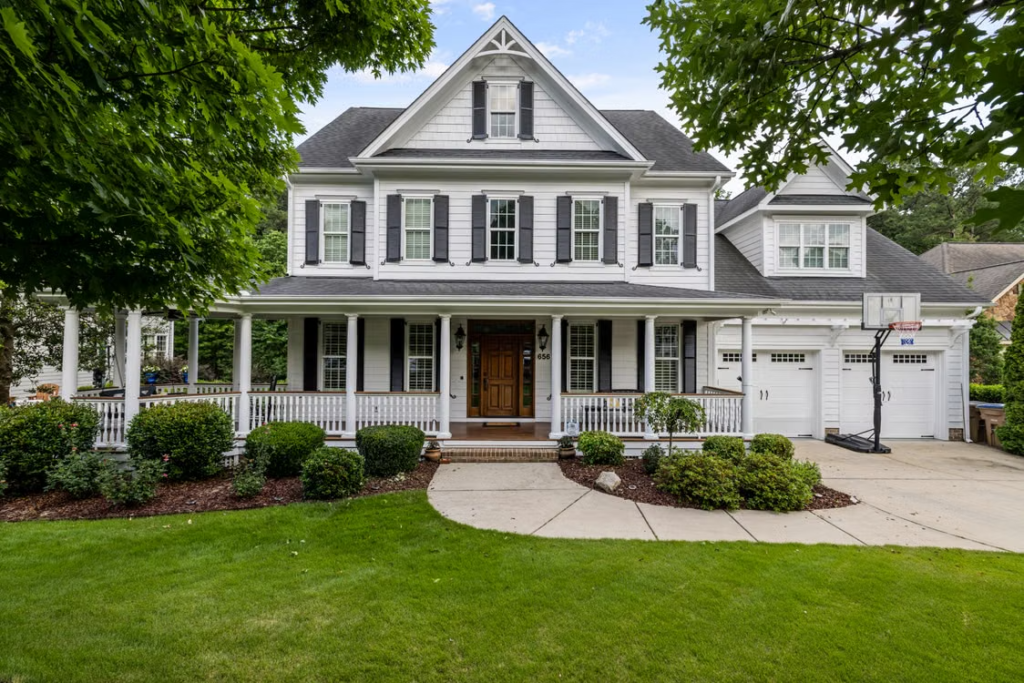
The materials used on a home’s exterior play a major role in determining how well it withstands environmental exposure.
While higher-quality products may require a larger initial investment, they frequently offer greater long-term value through improved performance and reduced maintenance needs.
- Well-maintained siding
- Windows
- roofing components
- and protective finishes can help shield the structure from damage while enhancing overall durability.
Choosing reliable materials and maintaining them properly can contribute to a stronger home that remains functional and attractive for many years.
Improve Ventilation and Airflow
Proper ventilation plays an important role in maintaining a healthy and durable home. Good airflow helps regulate indoor temperatures and reduces the buildup of excess moisture that can affect building materials over time.
Areas such as attics, crawl spaces, and basements benefit greatly from adequate ventilation systems.
If moisture gets trapped it can cause mould growth, material deterioration, and less efficiency. Improving airflow through vents and fans, plus regular inspections, can help create a more balanced indoor environment.
These measures support long-term home performance while protecting important structural components.
Strengthen Energy Efficiency Throughout the Home
Energy-efficient improvements can do more than reduce utility costs.
They also help protect home systems from unnecessary strain.
- Sealing gaps around windows and doors
- upgrading insulation
- and maintaining heating and cooling equipment can improve overall performance while supporting long-term durability.
Many of these upgrades work together with broader exterior care efforts to protect the home from environmental stress.
Address Structural Concerns Early
Small structural issues can become significant challenges when they are overlooked.
Cracks in walls, uneven floors, sticking doors, or foundation movement may indicate underlying concerns that require attention. Early action often prevents further deterioration and reduces repair expenses.
Frequent inspections allow homeowners to detect changes and identify potential problems early on before they get out of hand. If you notice any abnormal signs, getting professional advice can help you decide what to do next.
Stay Consistent With Routine Home Maintenance
Routine maintenance remains one of the most effective ways to increase a home’s durability. Small problems often develop gradually, making them easier and less expensive to address when discovered early.
Homeowners can check for signs of wear, moisture intrusion, damaged materials, or other problems that could get worse if left unaddressed by inspecting regularly. A seasonal maintenance schedule will help you to be sure that important tasks get done on time.
Simple actions such as cleaning gutters, checking exterior surfaces, testing home systems, and replacing worn components can have a significant impact over the years.
Consistency is often more valuable than major repairs performed after extensive damage has already occurred. By dedicating time to regular upkeep, homeowners can improve the reliability of their property while reducing the likelihood of costly surprises.
Building a Home That Lasts
Long-term durability depends on a combination of preventive maintenance, quality materials, and timely improvements.
Every part of a house affects the whole, so regular maintenance is key to preventing premature wear and expensive fixes.
Simple actions taken throughout the year can have a lasting impact on a home’s condition and value.
By focusing on :
- Maintenance
- moisture control
- Ventilation
- energy efficiency
- and structural health
Homeowners can create a stronger and more resilient living environment that continues to perform well for years to come.
Conclusion
You don’t need to do expensive renovations or upgrades to make a home more durable. Good maintenance, catching small problems early, and smart upgrades can really help extend the life of important structural components.
Homeowners can work towards a more fortified and reliable living environment by focusing on areas such as roofing, moisture control, ventilation, energy efficiency and overall upkeep.
FAQs
What is the durability of a house?
Durability is the ability of construction materials and structures to remain functional withstanding environmental stresses and degradation over time, thus influencing their longevity and maintenance needs.
How to increase building life?
Regular cleaning, repairs, inspections, and the application of preventive measures to increase the building’s life span and functionality are all important components of building maintenance.
What is the new building material in 2026?
Scaling calcined clay. With growing demand for low-carbon building solutions, calcined clay will be a key ingredient in more and more cement formulations in 2026.
What are the three factors of durability?
In evaluating a gemstone’s durability, gem experts consider three factors: 1) hardness, 2) toughness, and 3) stability.