


Water damage doesn’t slow down for you to catch up. A burst pipe, overflowing appliance, leaking roof, or storm can leave floors, walls, insulation, and other parts of a home saturated within a matter of hours. And even when the visible water is gone, the damage may still be developing underneath the surface.
The EPA recommends drying damp materials within 24 to 48 hours to help prevent mold growth. That makes the first day or two after water intrusion especially important. It doesn’t end with just removing standing water. You’ve to identify where moisture has spread, dry affected materials thoroughly, determine what can be salvaged, and repair anything that has been compromised.
Make informed decisions in a flood damage emergency. From immediate mitigation and moisture detection to reconstruction and prevention, each step plays a role in returning the home to a safe and comfortable condition.
Restoring A Home Requires More Than Drying It Out
Numerous homeowners assume the restoration process is complete once the affected areas appear dry, but hidden moisture often remains inside structural materials. After water mitigation, damaged drywall, flooring, insulation, cabinetry, and framing may need repairs or replacement before the home is fully restored. Some professional reconstruction services with expertise in water damage help homeowners fix structural damage, restore interior finishes, and return living spaces to their pre-loss condition once drying and mitigation have been completed.
Reconstruction is an important phase because it focuses on making the home functional, safe, and livable again rather than simply removing the immediate effects of water intrusion.
Acting Quickly Limits Long-Term Damage
Time plays a crucial role after water enters a home.
The longer moisture remains inside building materials, the greater the potential for damage to spread beyond the original affected area.
Water can percolate beneath flooring, behind walls, and into insulation within hours. As materials absorb moisture, wood may swell, drywall can weaken, and flooring adhesives may begin to fail.
Immediate action helps reduce these risks.
Shutting off the water source when possible, removing valuable belongings from affected areas, and contacting restoration professionals early often limits both structural damage and repair expenses.
Fast response also shortens the overall restoration timeline. It prevents additional complications that develop when water remains trapped inside the home.
Every hour matters during the initial stages of rescue.
Hidden Moisture Can Create Ongoing Problems
Visible water is only part of the concern.
Dampness that remains concealed inside walls, ceilings, or subfloors may continue affecting the home long after surfaces appear dry.
Professional restoration teams often use specialized moisture meters, thermal imaging tools, and humidity monitoring tools to identify hidden areas requiring additional drying.
Without thorough moisture detection, trapped water may contribute to warped flooring, damaged insulation, peeling paint, or deterioration of structural materials over time.
Observing moisture levels throughout the drying process helps confirm that affected areas have reached acceptable conditions before reconstruction begins.
Proper drying protects both the home’s structure and the repairs completed afterward.
Complete restoration depends on accurate moisture assessment.
Different Types Of Water Require Different Responses
Not every water damage event presents the same level of risk.
Sterile water from a supply line generally requires a different response than water originating from sewage backups or flooding involving contaminated sources.
The type of water involved influences cleaning procedures, material removal decisions, and safeguards during restoration.
Professionals evaluate the situation carefully before determining appropriate restoration methods.
Protective gear, sanitation procedures, and disposal requirements become especially important whenever contaminated water is involved.
Homeowners should avoid unnecessary contact with affected materials until conditions have been properly evaluated.
Understanding the source of the water helps guide safer and more effective restoration decisions throughout the recovery process.
Preventing Mold Is A Major Restoration Goal
One of the immediate objectives following water damage is reducing conditions that encourage mold growth.
Excess moisture, limited airflow, and organic building materials create environments where mold may grow if drying is delayed. These include:
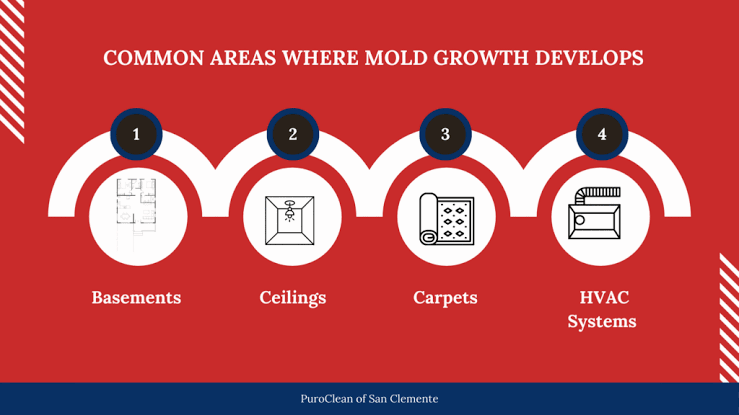
Professional drying equipment helps remove moisture from structural materials while improving air circulation throughout affected spaces.
Keeping lower indoor humidity levels during restoration also supports faster drying.
Even after visible repairs are complete, homeowners should continue watching for musty odors, discoloration, or signs of recurring moisture that may indicate unresolved issues.
Averting future water intrusion remains equally important.
Addressing leaks promptly helps protect both the home and indoor air quality long after restoration has finished.
Preparing For Future Water Emergencies
Although no homeowner anticipates water damage, preparation improves response when unexpected situations occur.
Knowing where the home’s main water shutoff valve is located allows faster action during plumbing emergencies.
Regular inspections also help identify developing problems before they cause significant damage.
Check appliance supply lines, plumbing connections, water heaters, roofing materials, and drains regularly for signs of wear or leakage.
Maintaining adequate water damage insurance and understanding policy coverage before an emergency occurs also reduces uncertainty during the claims process.
Prepared homeowners usually recover more efficiently because important decisions have already been considered before damage happens.
Planning minimizes unnecessary stress.
Routine Home Maintenance Reduces Water Risks
Multiple water damage incidents begin with maintenance issues that gradually worsen over time.
Small plumbing leaks, clogged gutters, deteriorated roof flashing, damaged caulking, or aging machine hoses frequently provide early warning signs before larger failures occur.
Routine maintenance should include:
- Inspecting plumbing connections.
- Mopping gutters and downspouts.
- Checking roof condition after storms.
- Replacing worn appliance supply hoses.
- Inspecting window and door seals.
- Monitoring the water heater.
Completing these simple tasks regularly helps reduce the likelihood of unexpected water intrusion while saving valuable structural components throughout the home.
Preventive maintenance remains one of the most effective forms of flood damage protection.
Recovery Is About Restoring Both The Home And Peace Of Mind
Water damage impacts far more than walls and flooring.
It disrupts routines, creates uncertainty, and often leaves homeowners wondering where to begin.
Fortunately, successful repair follows a logical process that includes immediate mitigation, thorough drying, moisture monitoring, structural repairs, and careful reconstruction. Each phase contributes to returning the home to a safe, comfortable, and usable condition.
The most effective recovery efforts combine prompt action with experienced guidance and ongoing attention to detail. Addressing hidden moisture, repairing damaged materials, deterring future water intrusion, and maintaining important home systems all help protect the investment homeowners have made in their property.
While no one hopes to experience flood damage, understanding the restoration process makes the case far less overwhelming. With timely response, proper planning, and comprehensive repairs, homeowners can move beyond the damage and restore both their homes and their confidence for the future.
FAQs
How quickly should water damage be addressed?
The EPA recommends drying damp materials within 24 to 48 hours to help prevent mold growth.
Can flood damage cause problems even after the surface looks dry?
Yes. Trapped Water behind walls, beneath flooring, inside insulation, or in other concealed areas can contribute to material deterioration and mold growth.
Does all water damage require the same restoration process?
Depends. Water from a clean supply line presents different risks from sewage backups or other contaminated sources. Contaminated water may require additional protective equipment, containment, sanitation, and disposal procedures.





Fall Prep Protects Kansas City Homes From Gutter Overflow
[…] Standing water is an actual enemy. Even a half inch of debris cluttered into a gutter corner can back water up under the roofline, and once that water discovers a gap in the fascia, it does not take long for rot to set in underneath the shingles. Technicians also look at the hangers and brackets that hold the gutter to the fascia board during a cleaning trial, since a loose bracket is easier to reset before a full section sags and separates from the roofline. […]
How to Reduce Water Damage Before It Becomes Expensive
[…] to know whether your gutters need replacement or just a quick repair. Fixing issues initially can protect your house from serious future damage. Basically, it just needs a good eye and quick […]