One of the most significant, yet unseen, arteries of our home’s HVAC system is the duct air. While these ducks provide air every day, the allergens, mold, dust, and possibly other harmful contaminants build up continuously within them.
Therefore, continued reliance upon your air duct system creates not only an issue of cleanliness but also a potential safety hazard. Did you know that the EPA has conducted studies that indicate the air inside your home could be two to five times more polluted than the air outside your home?
To achieve true wellness for the home, you must consider cleaning proactively by cleaning out hidden sources of these problems. Therefore, this guide will be a path to learning about the processes used by the experts to properly clean and maintain the entire air duct system of a home.
So, every breath one takes within the home will be free from the debris that has accumulated within.
KEY TAKEAWAYS
- Remove the source where contaminants come from.
- Proper setup can prevent dust and debris from entering back inside the home.
- Any chemical treatments used must be EPA-registered and applied only after mechanical cleaning.
- Clean air ducts reduce strain on the HVAC units.
Inspecting Ducts for Dust, Mold, and Contamination
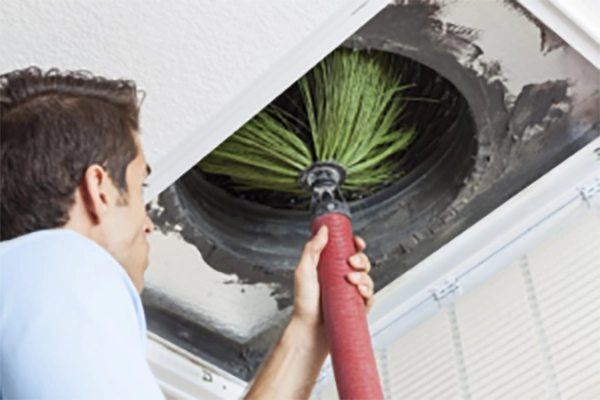
Contact cleaning is all alone a comprehensive cleaning method. It involves physical scrubbing on the interior surface of the ducts. Why do we need so much? This type of Quality Air Duct Cleaning conducted by specialized technicians, helps remove grime, sticky residue, or stubborn debris, which cannot be achieved by basic vacuuming.
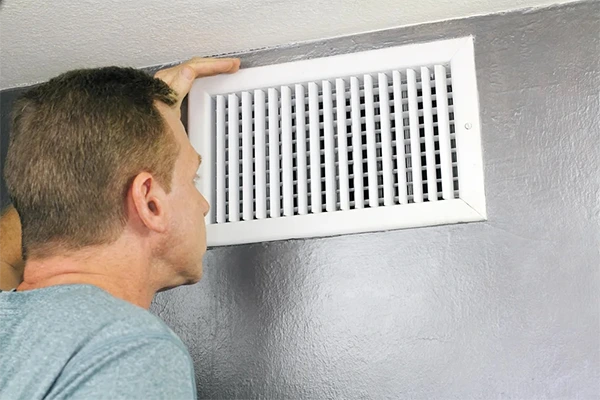
Equipment like scrapers, rotating brushes, and some hand tools immediately scrape off those materials. When examining a property for cleaning purposes, one must examine for large amounts of dust, signs of mold or mildew, and indications that pest infestations may be present.
The information found during this step will help the person wanting their home cleaned determine how intensive an intervention will be required.
Contact Cleaning: Brushes, Hand Tools, and Vacuums
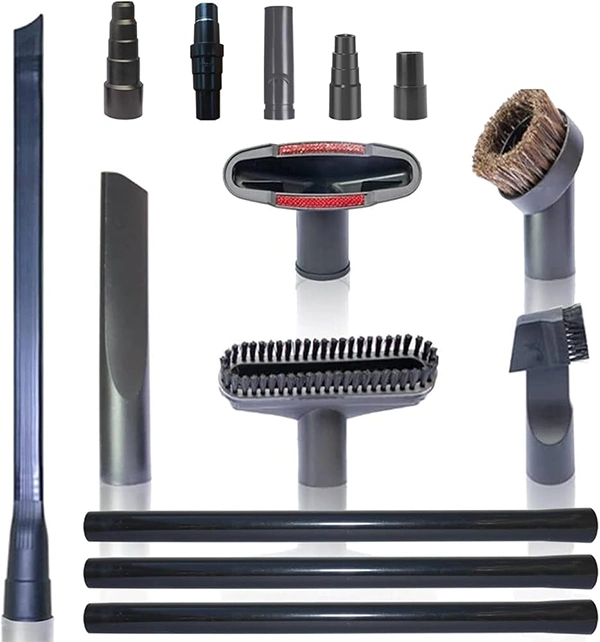
The method involves physical scrubbing of the inside of the ductwork. Why is this necessary? Conducted by trained air duct cleaning professionals, it removes “grime” and sticky residue, stubs, or cleans any other contaminants that may exist in the ductwork system.
Unlike most types of duct cleaning, contact cleaning uses air movement to dislodge compacted dirt. This mechanical action is what distinguishes an inadequate cleaning from a complete cleaning, as described by industry standards, and this principle of removal at the source must be followed.
Air Sweeping and Compressed-Air Whips
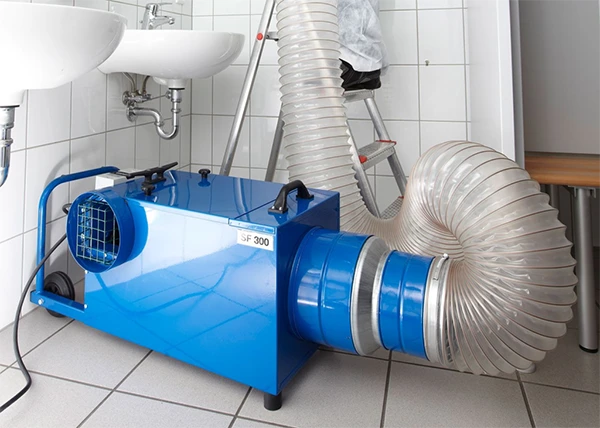
Attached with a funnel, the compressor-air whip machine accumulates dust particles, rather than scrubbing the entire surface. Compressed-air whips and air sweeping are flexible pneumatic tools that produce forceful bursts of compressed air.
Air sweeping can remove debris from ductwork branches, corners, and other hard-to-reach places. This process is similar to using high-pressure water to push sediment downriver. It allows for the maximum removal of debris from the duct system.
Thus, this allows the complete cleaning of the system, which is a smart way to achieve that goal.
Negative Pressure and Containment Strategies
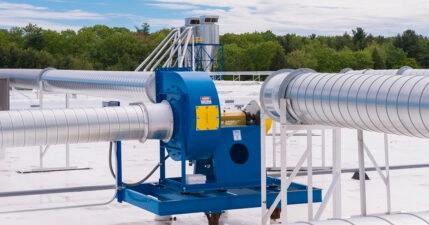
Negative pressure -It’s time to make the cleaning process safer and more effective. With a large HEPA vacuum unit connected, it creates consistent suction for the duct system. As the brushes pull contaminants off of the duct walls, the air whips push those particles into the vacuum hose.
There will be no chance that small particles will return to your home.
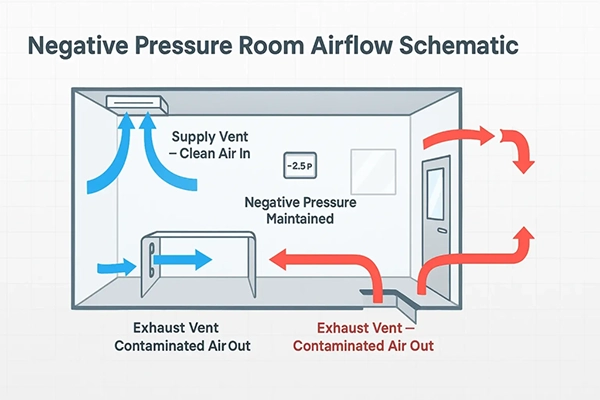
Look at the negative pressure room airflow schematic diagram with the help of the infographic attached below:
Fogging, Sanitizing, and Deodorizing Treatments
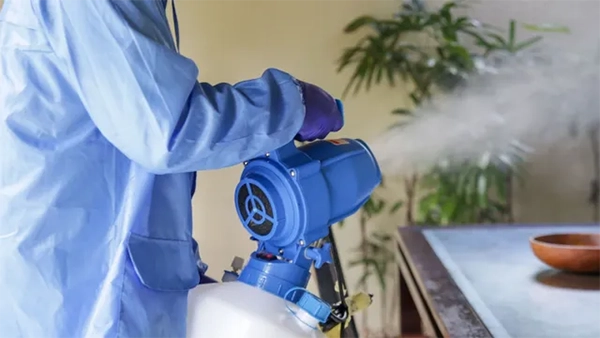
After the ducts are clean, any one of three conditions may warrant the application of a final treatment. Fogging, sanitizing, and deodorizing are treatments to eliminate the microbial contaminants and to neutralize the smells. These treatments are applied as an atomized fog using an EPA-registered antimicrobial chemical.
So what do you get in return? Removal of odor sources and protects against biological regrowth. Ultimately – purified air quality.
Safety Considerations for Chemical Cleaning Options
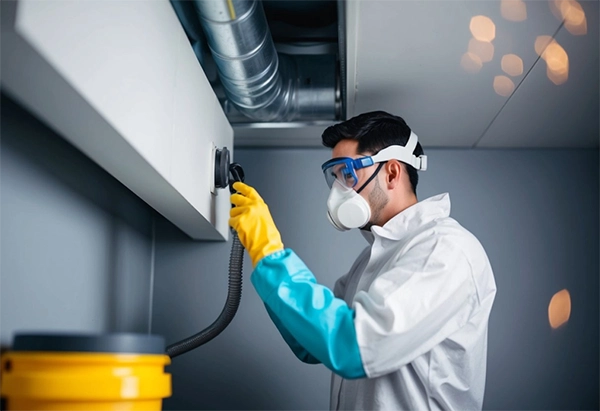
As a health conscious person, I prioritize safety first, especially when using chemical cleaning options. It is important to note that removal of dust doesn’t mean inviting chemical residue in the year.
So, check if the product is under EPA-registered specifically for use in HVAC systems. Additionally, individuals must ensure that the technician applies these layers only to non-porous surfaces and after completing all physical cleaning. Asking for a material safety data sheet can be another smart precaution.
When to Call a Certified HVAC Cleaning Service
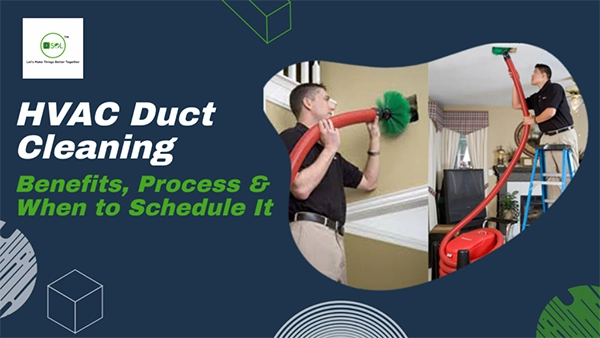
In the past few years, I have called the professional three to five times. These were my considerations before scheduling a certified service:
- To remove the post-renovation dust in the space.
- After finding mold growth inside the ducts.
- Before taking complete ownership of a new home.
- Unexplained increase in energy or asthma symptoms while staying indoors.
The proper cleaning of air ducts is a powerful commitment to wellness. Hiring professionals for restoring the systems can be the wisest decision. Just make sure of some safety considerations and check the training certificates of hired services.
Frequently Asked Questions
What is the fundamental principle for effective duct cleaning?
Source removal is the core principle, in which a powerful vacuum creates negative pressure in the system.
Is chemical treatment necessary?
Not really. However, it is considered specifically in the presence of mold or heavy grease.
What tools are used in professional cleaning?
HEPA vacuums, compressed air nozzles, “air whips,” and rotating brushes are used by professionals to clean a wide range of surfaces.
How often should ducts be cleaned?
Every 2–3 years, it is recommended to consider duct cleaning.
What are the preferred methods for dislodging dirt?
Mechanical cleaning using brushes and whips, and compressed air sweeping are the most preferred methods for dislodging dirt.