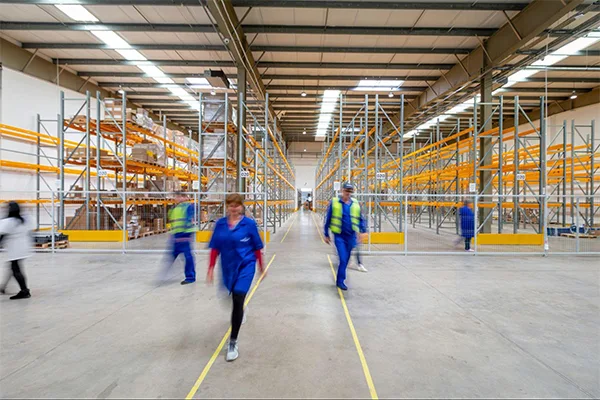
All companies that deal with physical products, machinery or bulk inventory will eventually run into the same operational problems.
How a workspace is organised, how safely a workspace functions and how efficiently it adapts to change are all direct factors in long-term success.
A well-planned environment supports more than just productivity, since it also shapes employee morale and overall customer satisfaction.
A happy and well-prepared employee is a better employee, leading to fewer problems and better outcomes.
Key Takeaways
- Analyzing workspace design helps businesses improve safety, efficiency, and employee satisfaction.
- Assessing workflow bottlenecks can reduce delays, accidents, and operational friction.
- Investing in quality storage systems and equipment supports long-term business growth.
- Prioritizing accessibility and safety creates a more inclusive and productive environment.
- Building flexible workspaces helps businesses adapt to future operational changes.
Why Workplace Design Matters More Than Ever
Modern operations are no longer limited to simple storage or basic logistics. Businesses today must manage shifting consumer demands, rapid order fulfilment, and increasingly strict safety expectations from regulators.
This evolution has made thoughtful workspace design a strategic priority, not an afterthought.
Layout, equipment placement and accessibility decisions can determine anything from injury rates to monthly throughput.
Poorly organised space can result in wasted time, miscommunication and unnecessary accidents on the floor.
On the other hand, a well-structured workplace allows staff to move with confidence and complete tasks without unnecessary friction.
Planning Around People and Processes
Before investing in any infrastructure upgrade, it pays to look closely at how people and processes actually interact each day.
Owners and managers should walk through the flow and identify points where movement becomes bogged down or where safety risks tend to arise.
These insights help shape a layout that supports natural workflow rather than working against it. Common pinch points include narrow aisles, awkward loading zones, and storage areas that require excessive reaching or lifting for staff.
When these patterns are evident it is much easier to decide about shelving, walkways and access points.
A small adjustment in one area can often deliver noticeable improvements across the entire operation.
Storage Systems That Grow With Your Business
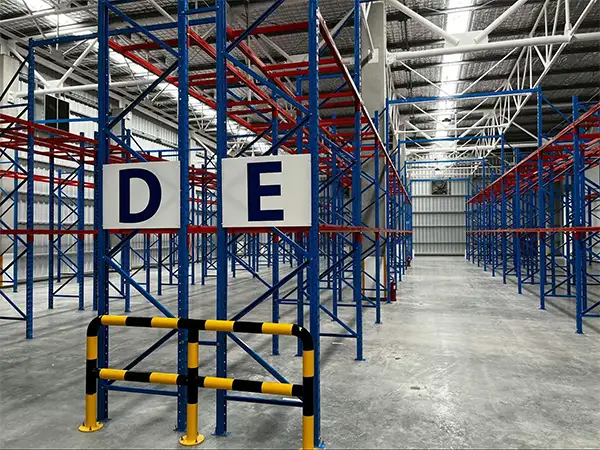
Storage is one of the most important elements of any operational space, and should be taken into serious consideration in the planning process.
The right system keeps inventory organised, accessible, and protected from damage during everyday handling activities.
Many businesses begin with a few simple shelves that they soon outgrow as their inventory accumulates over time.
At that stage, more robust systems become essential, and relocating or reconfiguring them requires careful planning and execution.
When a business expands, relocates, or restructures, working with experienced specialists in professional pallet racking relocation services can save significant time and prevent costly mistakes.
Trained teams understand how to safely dismantle, transport, and reinstall heavy storage units without disrupting daily operations.
This kind of support is particularly valuable when deadlines are tight or when older racking needs to be integrated with newer systems.
Professional handling also reduces the risk of damage to inventory and to the building structure itself.
Safety as a Daily Standard
Workplace safety should never be treated as a checklist item that gets reviewed once a year and then forgotten.
Instead, it has to be embedded in the everyday behaviours and choices of every team member at every level.
Clear signage, well-maintained equipment, and properly trained staff form the backbone of a safe environment.
These elements together prevent the small oversights that often lead to much bigger incidents in time.
Regular safety audits help identify problems before they cause harm to anyone in the workplace.
They also send a message to employees that their well-being is taken seriously, which builds trust and encourages a stronger safety culture overall.
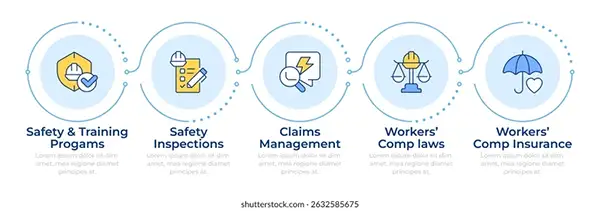
Here’s an infographic stating why safety has become the need of the hour:
Investing in Quality Equipment
Cutting corners on equipment may seem like a smart way to save money in the short term. Over time, however, low-quality tools and fixtures usually cost more in repairs, replacements, and lost productivity.
High-quality equipment lasts longer, performs more reliably, and supports a safer working environment for everyone involved.
It also comes with better warranties and support as well which gives additional peace of mind for owners and managers.
When choosing suppliers, businesses should look for clear communication, a history of success, and product specifications.
A trustworthy provider will be happy to answer questions and explain the value behind their offerings without pressure.
Training and Open Communication
Even the best designed workspace can’t reach its full potential without the right training programmes in place.
All team members should know how to safely operate equipment and what to do when things don’t go to plan.
Open communication is just as important as formal training across every level of the organisation.
When employees feel comfortable raising concerns, problems are addressed earlier, and solutions tend to be far more practical.
Accessibility and Inclusive Design
A second key factor in workspace planning that is often ignored during the initial setup is accessibility.
A difficult to navigate space poses a challenge for staff, visitors, customers and delivery personnel alike.
The design has been carefully designed for all the people who will use the space, including those with mobility limitations or those who move heavy goods.
But, small changes can make a real difference when it comes to both comfort and conformance to the applicable standards.
Installing quality access ramps is one of the simplest ways to improve safety and inclusivity across an entire facility.
These features ensure smooth transitions between different levels and help reduce the risk of slips, trips, and strains for everyone on site.
Beyond physical safety, accessible design also reflects a business’s values and reputation in the wider community.
Customers and partners often take note of how welcoming and well-considered a space feels when they visit.
Adapting to Future Change
No workspace remains the same for long, as markets change and technologies advance steadily year after year.
Businesses that build flexibility into their layouts and systems are better positioned to respond to change without major disruption.
Modular storage, adjustable workstations, and adaptable access points all support this kind of operational resilience over time.
They allow for growth, downsizing or reorganisation without the need to completely rebuild the entire facility.
Planning for the future is not a matter of predicting every possibility with absolute accuracy. It means building in enough flexibility to ensure the workspace remains valuable long after the initial setup.
Bringing It All Together
A productive and safe workspace is the result of many small decisions, made with care and clear intention.
Every part of the storage layouts and the accessibility features adds to the experience of the people working and visiting there.
“Business owners who invest in good solutions and take time to plan well always get good returns.”
Reduced incidents, smoother workflows, and happier teams all add up to meaningful operational gains over the long run.
“Be safe first, design for real people, choose partners you can trust, and be ready to change as the business evolves naturally.”
Ultimately, the workspace is much more than a physical place where things get done each day.
It’s the bedrock on which a business builds its reputation, supports its team, and delivers real value to its customers, day in and day out.
Small steps today can prevent big headaches tomorrow, with a surprisingly cumulative effect on your business.
A few focused improvements can quietly change staff attitudes to coming to work each morning.
FAQs
“A safe workplace is a productive workplace?
A safe workplace is a productive one. Employees have a legal right to expect a safe and healthy work environment. Safety measures protect employees as well as equipment and business property.
How to Naturally Increase Productivity at Work?
In order to achieve peak productivity, managing your time and energy is key. It’s important to create boundaries for yourself and carve out breaks in between work sessions, as well as allotting more attention toward deep and meaningful projects that can help sustain focus throughout the day.
Why do you need to customise a workspace in Photoshop, and how will it help your workflow?
We, creative people, work differently and want different things and we work in different ways, and that’s why the workspaces in Photoshop were designed to be highly customisable.
What is an advantage of a cluttered workspace?
Harford cites research showing that workers who have total control over their workspace, which often results in messy desks, are more productive than those working in neat environments.