“A clutter-free home is the most affordable home improvement project.”
– Joshua Becker (Writer and Philanthropist)
Joshua Becker was spot on when he said that. And in 2026, it becomes even more relevant as smart renovations do both: make your home clutter-free at the same time, without even burning a hole through your pocket.
In this article, we will explore how smart renovations have become more affordable, saving you money throughout the process and even after completion for years to come. There are some common mistakes to avoid during renovations. This article will also list the most trendy smart renovations that you should consider based on your lifestyle and home size.
So, let’s go.
KEY TAKEAWAYS
- Modern renovation solutions are smart and affordable
- Carefully plan, budget, and hire contractors
- Smart renovation solutions cover everything, from lighting to climate control and security
- Choose optimal solutions based on your lifestyle and home size
Why Budget-Conscious Smart Renovations Matter
When you do home renovations smartly, they don’t cost you a fortune. Complicated tech is not always the smartest choice.
Modern home technology is more reliable and easier to integrate into old homes. That means fewer tools and wires, resultantly far less frustration.
AI is also helping in enhancing the comfort, security, and energy efficiency of your home on a budget.
Common Budget Mistakes Homeowners Make During Renovations
There are many mistakes that an average person commonly makes while renovating their homes. These mistakes range from:
- Underestimating costs
- Careless planning or skipping through the phase entirely
- Hiring unprofessional or unskilled contractors
They straightaway lead to surprise expenses, delays, or dissatisfactory outcomes.
FUN FACT
In a Parks Associates survey of US internet-enabled homes, 45% had at least 1 smart home device, while 18% had 6 or more.
Smart Home Improvements That Deliver the Most Value for Money
Many smart home improvements deliver the most bang for your buck. Let’s review them.
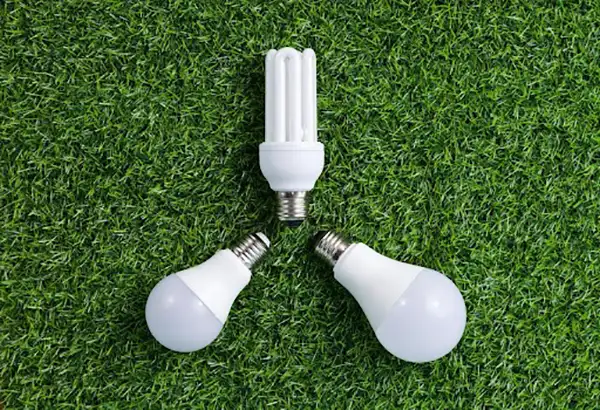
Energy-Efficient Lighting
Start with lighting, as it is the easiest and makes the most impact. In addition to energy savings, energy-efficient lighting solutions are smart enough to allow you to control them from multiple locations.
This is as versatile a solution for homeowners as the MT4 download for PC is for brokers and traders.
In 2026, homeowners have shifted from wired switches to wireless ones for these lights. Battery-free options are also available, which install easily and don’t need maintenance.
Smart Thermostats
Thermostats are an integral part of your home, which makes it warm and cozy.
Smart thermostats add to this with their easy app controls and, most importantly, cost savings.
These smart thermostats can be programmed to save you money by adjusting themselves intelligently according to the activity in your home.
Automated Climate Control
As your smart thermostat controls your home temperature, automated climate control systems do the same for your house’s humidity and air quality.
These systems employ smart technology and sensors to achieve this, rewarding you with greater comfort and energy savings.
Forget frequent manual adjustments, your home in 2026 will always stay in its optimal climate condition.
Smart Security Devices
Security remains a high priority for most homeowners.
Smart security cameras allow for remote monitoring, with features like motion detection and night vision. These integrate with other sensors to form smart alarm systems, which enhance your home monitoring capabilities.
Smart doorbells provide video feeds and two-way audio, allowing you to see and communicate with your visitors. Also, there are smart locks that enable keyless entry via smartphone apps.
Voice Assistants
Voice assistants like Amazon Echo Dot or Google Nest Hub allow easy and seamless control of various smart devices installed across your home.
They significantly enhance the functionality and convenience of your home.
Connected Plugs
All these smart devices need smart plugs to connect them to your home. Only then will your home become a smart home.
These plugs allow plug-and-play, meaning instant use.
Prioritizing Smart Renovations Based on Lifestyle and Home Size
The following table lists the above-mentioned smart renovations and their relevance for optimal lifestyle and home size:
| Smart Renovation | Lifestyle | Home Size |
| Energy-Efficient Lighting | Universal | Any Size |
| Smart Thermostats | Elderly/Comfort Focused | Medium-to-Large |
| Automated Climate Control | Personalized Comfort | Large |
| Smart Security Devices | Frequent Travellers/High Traffic | Any Size |
| Voice Assistants | Busy/Accessibility Needs | Any Size |
| Connected Plugs | Home-Offices | Small-to-Medium |
Final Thoughts: Planning a Budget Smart Renovation
So, if you plan to renovate your home smartly on budget this year, you should keep in mind a few things.
First, you don’t have to worry about money, as modern renovation solutions are smart and affordable. Just plan, budget, and hire contractors for the renovation with some care. Major smart renovation solutions majorly cover:
- Lighting
- Temperature, Humidity, and Air
- Security
- Convenience
- Functionality
Choose optimal solutions based on your lifestyle and home size.
FAQ
What to keep in mind while renovating a house?
Budget plan carefully and hire professional contractors.
What is one thing that I should upgrade right away while renovating my home?
Lighting is one thing that you should upgrade, no matter your lifestyle or home size. Go for Smart LED lighting.
I need more comfort in my home. What to upgrade?
Upgrade to smart thermostats and automated climate control for more comfort in your home.