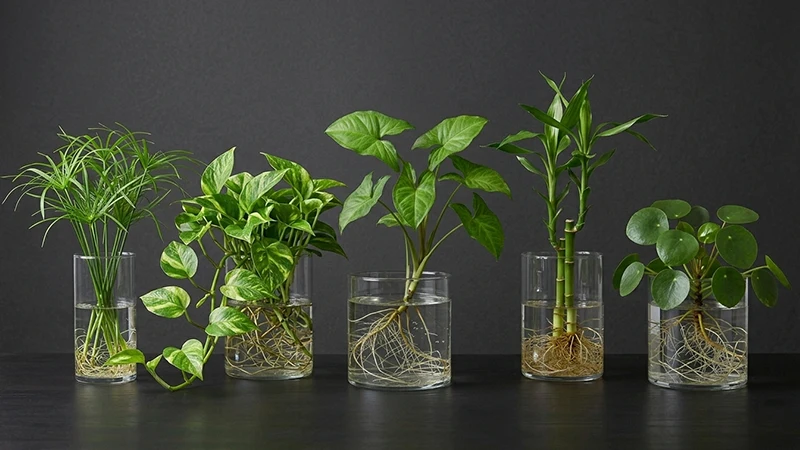
Isn’t it fascinating how growing indoor house plants is possible without the hassle of preparing a soil mix and selecting the correct soil type? For the longest time, I had the perception that water plants can not be grown indoors only until I came across the list of water plants.
Ever since, I have eagerly looked forward to planting indoor plants that grow in water.
If you are a beginner and want to avoid the traditional method of planting, watering plants is the best choice for you. Read more to know how and why.
What are Water Plants? Brief Introduction
Also known as hydrophytes, the water plants are known to thrive in water rather than soil.
While most of the indoor plants grown in containers or for balcony gardens are planted in a soil mix, the plants that grow in water are less prone to pests and diseases and are relatively easy to grow and maintain. This type of gardening that does not involve soil is called hydroponics.
Apart from being low maintenance, the plants that grow inside water placed in a glass container look extremely aesthetically pleasing, especially if placed in the kitchen or bathroom.
This sort of planting is not necessarily done with the true aquatic plants; the plants grown in soil can be successfully propagated in water. Hydroponics is the perfect solution for plant lovers who have a really busy schedule, or even for newbies.
Why are Plants That Grow Inside Water Beneficial?
Growing plants is a commitment, and properly maintaining them can be a little challenging, especially when you have a busy life. Water plants strike the perfect balance between the two and make planting easy and rewarding.
Read more to know how they are ecologically and logistically beneficial for gardening enthusiasts:
- Plants that grow in water relatively take up less space and can be planted in small containers and jars easily, and can be kept anywhere. So, the headache of a dedicated space for planting is now gone.
- House plants that grow inside water are less likely to be affected by pests and diseases, as the danger of soil-grown pathogens and pests laying eggs in the soil is completely removed.
- You can clearly observe and track the entire growth of the plant, like the germination and the root development, perfect for gardening lovers.
- The plants grown in water are considered to be healthier than those in soil because the soil generally contains chemical-based fertilizers that eventually affect the quality of the plant, which is unlikely in water plants.
- Water plants are low-maintenance and do not have the risk of over- or underwatering.
How Can I Grow Water Plants Indoors?
As the name suggests, the water plants are grown in water without soil. The water plants can be utilised perfectly for elevating your indoor living space. If you are looking for ways to grow these aquatic plants indoors, here is a simple and effective guide for the same:
- Take a glass container or any vessel that holds water, depending on your plant’s expected size.
- Water plants can be either grown from plant cuttings or seeds, varying for different types. However, the seeds take a lot more time to grow and are less preferred than cuttings or division.
- If growing through the root cutting, take the roots and place them in the water as they are, and the roots will start to develop on their own.
- Change the water regularly, do not leave the water plant in standing water. Clean water is responsible for healthy growth.
List of Plants That Grow in Water
If you are wondering what plants can grow in water, here is a curated list of all the plants that you can grow indoors, with their special features.
Take a look at the list of the most popular water loving garden plants:
| Name | Image | Features |
| Coleus | 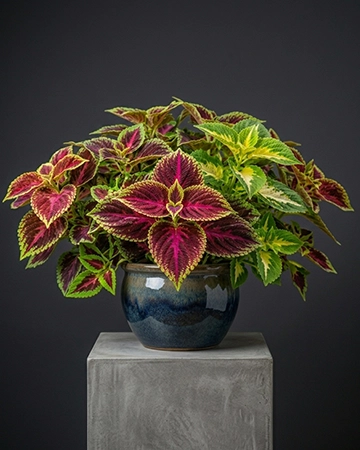 |
|
| Impatiens | 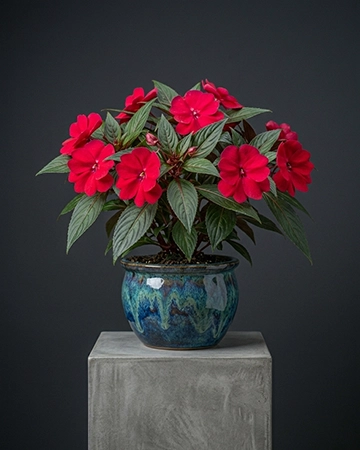 |
|
| Lucky Bamboo | 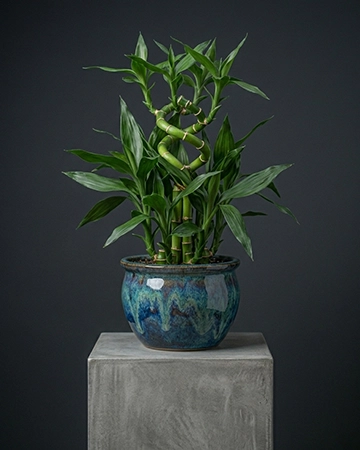 |
|
| Spiderwort | 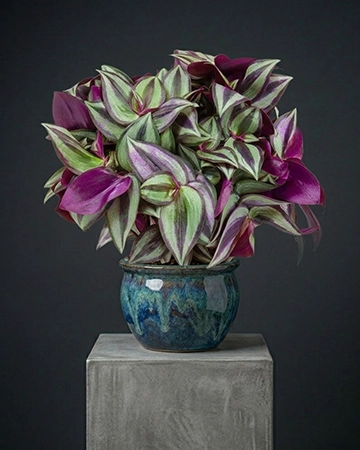 |
|
| Chinese evergreen | 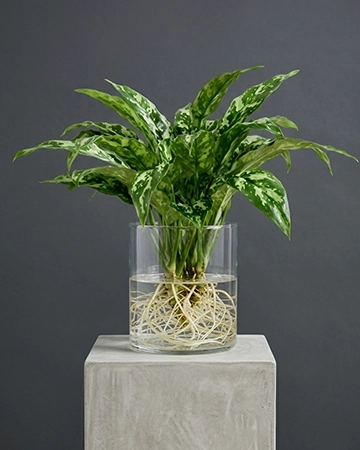 |
|
| English Ivy | 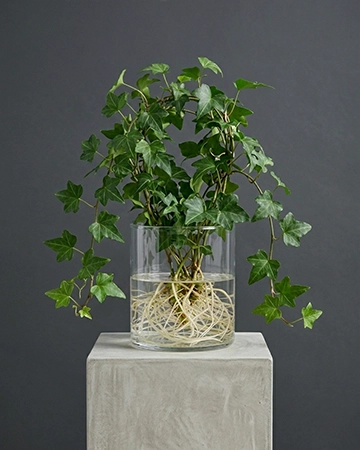 |
|
| Philodendron | 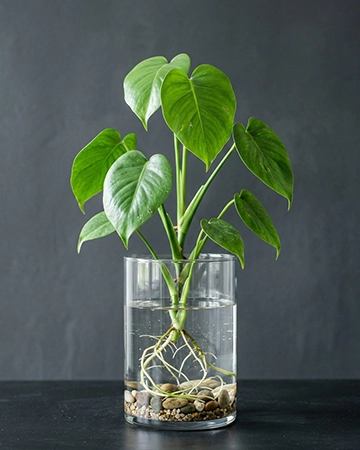 |
|
| Pothos | 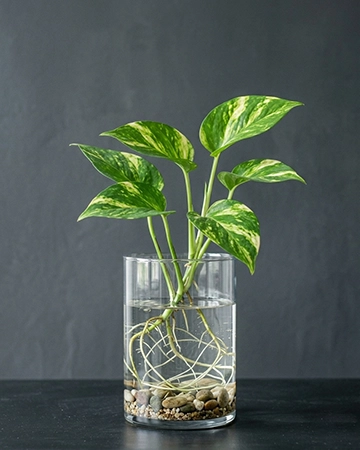 |
|
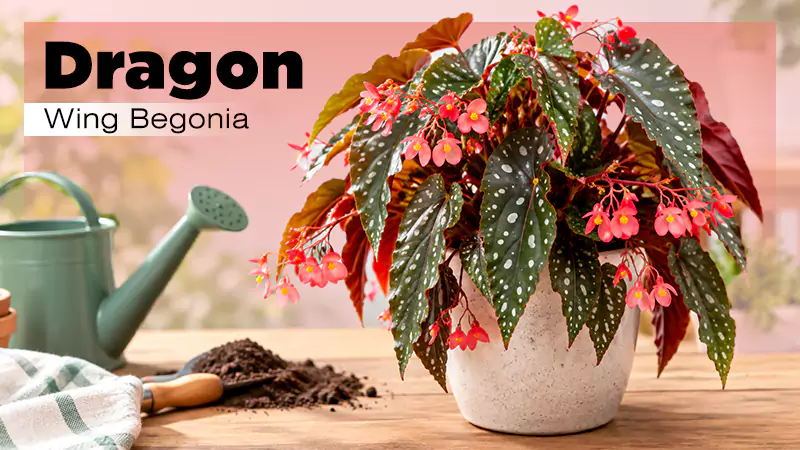
| Begonia | 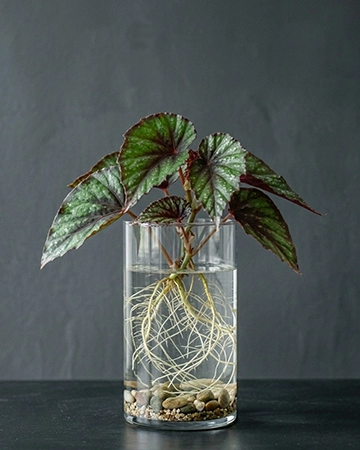 |
|
| Dumb cane | 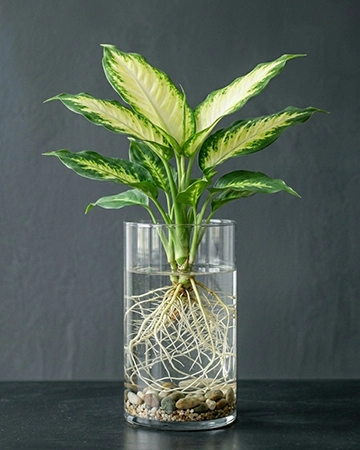 |
|
| Aluminium Plant | 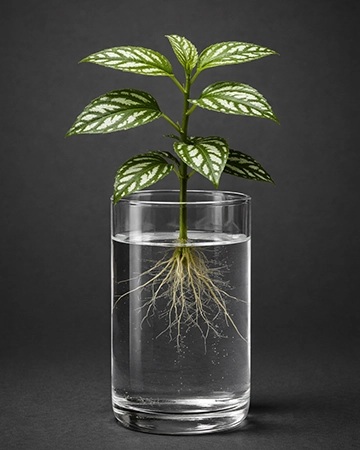 |
|
| Prayer Plant | 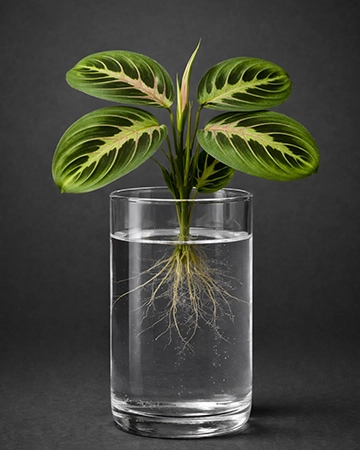 |
|
| Spider Plant | 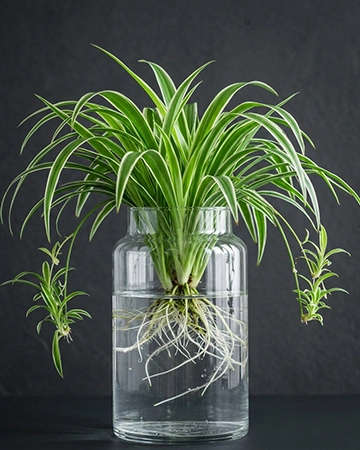 |
|
| Peace Lily | 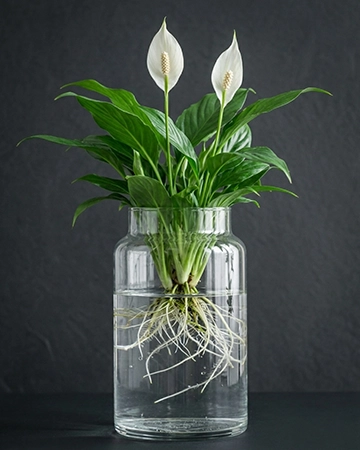 |
|
| Dracaena | 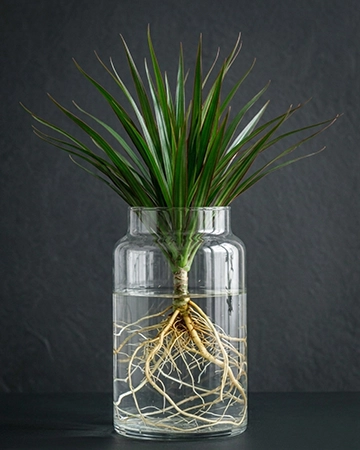 |
|
| Pancake plant | 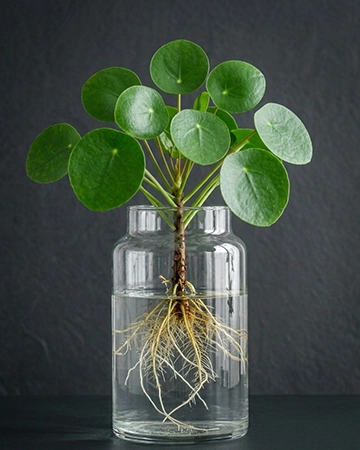 |
|
| Lotus | 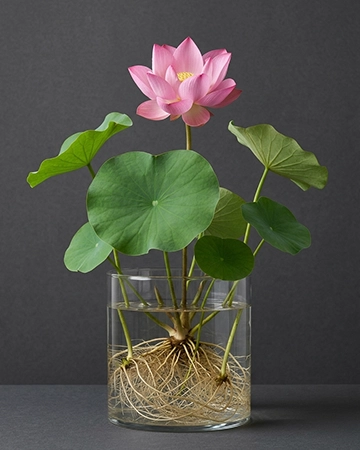 |
|
| Rosemary | 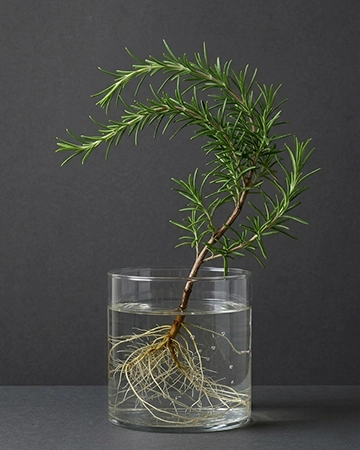 |
|
| Mint | 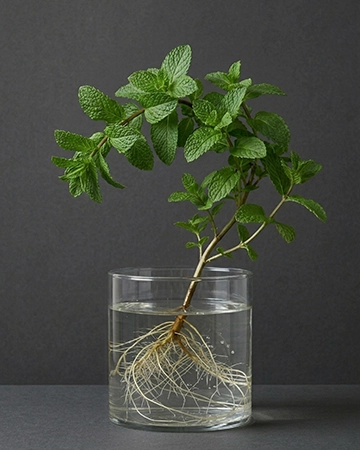 |
|
| Arrowhead vine | 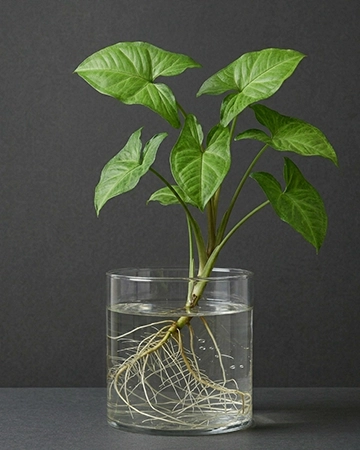 |
|
How Can I Care for Plants Grown in Water?
Plants that grow in water create relatively less mess than those that grow in soil. This hassle-free process does not mean neglect, but rather precise control and consistency.
Here is how I keep a watch on my water plants to keep them fresh and healthy:
- Clean Container: A dirty vase or jar is home to bacteria and diseases, so clean and dry the container for a hygienic start.
- Sunlight: Every plant has different light requirements, so it’s important to know the light requirements and place the plant accordingly.
- Fertiliser: The plants that grow inside water in the absence of soil need their nutrient requirements to be fulfilled, so add a diluted houseplant fertiliser once a month.
- Regular Cleaning: When the water starts to seem a bit cloudy, change it, as dirty water can affect the life of the water plants.
Additionally, use tap water for the best results and avoid using cold water, as it can shock the root of the plant.
Concluding Remarks
Hydroponic gardening is the soil-free method of planting that is convenient yet rewarding. Plants in water do not require a lot of care and maintenance, making it even easier for me to manage them with my hectic schedule.
My search for plants for a water garden ended with so many plants that were useful, aromatic, and environmentally friendly.
Furthermore, it is also forgotten that water-based planting is also a form of propagation for plants, as I started it as a propagation method for the existing plants in my garden.
The entire process of watching roots develop, and that too just in water, was refreshing and really insightful for me, and something I would highly recommend.
Happy gardening!
FAQs
What plants can grow in water only?
Plants that grow in water are called aquatic plants, like water hyacinth, lotus, and azolla.
Can you grow plants in water permanently?
Yes, many plants like spider plants, lucky bamboo, etc, can be grown in water permanently given adequate water, light, and nutrient requirements.
What plants cannot be grown in water?
Some root vegetables and succulents, like the sedum plant, can not be grown in water because they need the soil’s nutrients to grow properly.
- Complete guide to hydroponics– BBC Gardener’s
- Is Hydroponic Gardening Still Worth The Effort Despite Its Disadvantages? – Yahoo
- Hydroponics– Britannica