Modern home interior design in Australia demands more than good looks. It depends on how climate, building standards, and daily routines shape spaces that actually work. Too many homeowners chase trends, then live with rooms that date within a few years or cost a fortune to heat and cool.
Start with the building shell, then layer decisions that improve comfort while cutting long term running costs. Room by room guidance, material specifications, and Australia specific standards including NCC 2022 and NatHERS requirements keep choices grounded. Two decisive actions make the biggest difference: touring display homes to benchmark real layouts and selecting wool carpet for acoustic and thermal comfort in key living spaces.
Understand What Modern Design Really Means for Australian Homes in 2026
Modern interior design is functional restraint with tactile warmth, not cold minimalism or trend chasing contemporary styling. The distinction matters because modern principles age well, while contemporary schemes change with each season’s magazine covers.
Modern design draws from mid century foundations: simplicity, honest materials, and clarity of structure, executed with today’s performance standards. You see clean lines, open sightlines, and materials like timber, linen, and wool where every element earns its place. Contemporary design borrows from many styles and updates frequently, often with finishes that fail early or are hard to repair.
Australian Context Shapes Everything
Australia’s high sun angles, intense UV, and variable seasons make daylight control and thermal performance central to how modern interiors look and feel. The NCC 2022 framework now requires minimum 7 star NatHERS thermal performance plus whole of home energy budgets for Class 1 dwellings. NatHERS, the Nationwide House Energy Rating Scheme, models how the building shell performs so you can predict heating and cooling demands.
This requirement is not bureaucratic box ticking. It directly shapes glazing choices, shading depths, and insulation specifications that affect daily comfort.
Strong connections to outdoor areas make transition spaces like entries and mudrooms vital for keeping interiors tidy and durable. Without these buffer zones, sand, wet gear, and pets quickly overwhelm living spaces in coastal and suburban homes.
Plan Flow, Zones, and Sightlines Before You Commit to Finishes
A modern interior reads as calm because the floor plan works, not because you bought the right sofa. Map daily patterns first, from entry to drop zone to kitchen, laundry to outdoor line, and kids’ rooms to bathroom. Clear, unobstructed routes for prams, pets, and grocery runs matter more than any styling decision.

Fixing Bottlenecks Early
Standard doorways are regularly too narrow for comfortable movement. Where renovating, consider 820 to 920 millimetre door leaves so prams, trolleys, and mobility aids pass easily. Remove redundant swing doors that collide or block circulation, and use cavity sliders where privacy is needed but floor space is tight.
As you review plans, trace how someone would move through the home while carrying laundry, bringing in shopping, or supervising children. Any place you hesitate on the page will become a daily frustration in real life.
Building In Storage
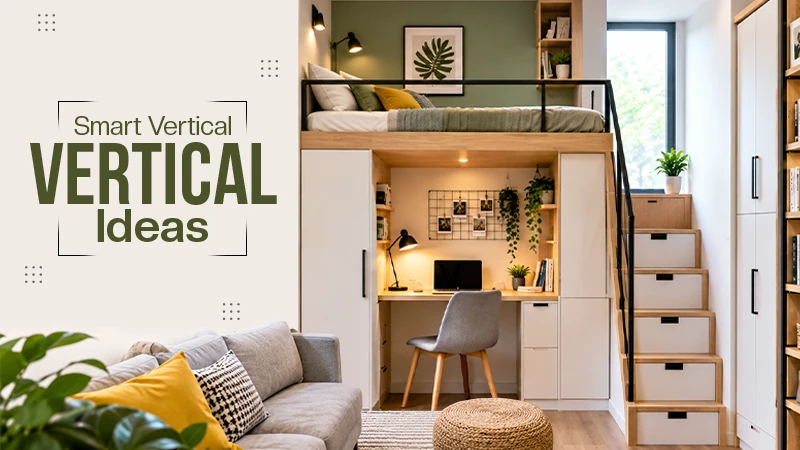
Modern interiors stay uncluttered because storage is designed in, not bolted on later. Full height joinery along the least disruptive walls hides everyday mess behind plain facades. Window seats with lift up lids, stair storage where code allows, and concealed bins keep surfaces continuous and sightlines clean.
Specify internal layouts as carefully as external faces, including rail heights, shelf spacing, and power points inside cupboards for charging devices. Well planned storage lets benchtops stay clear, which does more for perceived calm than any decorative object.
Prioritise Climate Smart Shell Decisions to Drive Comfort and Compliance
Orientation, glazing, insulation, and sealing determine comfort and energy bills far more than any finish selection. In temperate cities such as Melbourne or Adelaide, orient main living areas north to capture winter sun, then use shading to control summer heat. In hotter climates like Brisbane or Perth, prioritise cross ventilation, deeper eaves, and shaded outdoor rooms that act as thermal buffers.

East and west facades need stronger shading control, including narrower windows, external blinds, and strategic planting. Limit complex roof forms that create hard to insulate junctions and unnecessary heat gain.
Glazing Specifications That Work Harder
Select windows using Australian Fenestration Rating Council, or AFRC, certified U value and solar heat gain coefficient, or SHGC, ratings. U value measures how easily heat passes through a window, so lower numbers mean better insulation. SHGC indicates how much solar gain comes through the glass, so match it to each facade, with higher SHGC on shaded north windows and lower SHGC on exposed west openings.
Thermally broken aluminium or composite frames reduce condensation and improve comfort year round, particularly in cooler climates. In bushfire prone areas, coordinate BAL requirements with glazing performance early, so you avoid last minute compromises on window size or placement.
Insulation and Sealing
Install insulation to manufacturer specifications, because compression reduces R value, or thermal resistance, significantly. Add continuous insulation at junctions and seal around services penetrations, downlight cutouts, and skirting gaps to limit draughts.
Heating and cooling can account for up to half of household energy use depending on climate zone, so fabric performance delivers substantial savings. Moving from a 6 star to a 7 star NatHERS rating typically cuts heating and cooling needs by roughly one quarter in most locations.
Benchmark Real Layouts by Visiting Display Homes in Person
Walking built homes reveals ceiling heights, window proportions, joinery quality, and acoustic comfort that drawings cannot convey. Bring a tape measure and checklist to record eave depths, glazing sizes, door widths, and storage configurations as you move through each space.

Listen for how sound carries between living, bedroom, and bathroom zones, and notice how natural light falls at different times of day. Pay attention to where bags, shoes, school gear, and laundry will realistically land when a family walks through the door.
If you are considering a new build in Victoria, visit several builders’ display villages to walk modern open plan layouts, storage solutions, and details aligned with 7 star performance before you commit. To benchmark how different builders handle planning, orientation, glazing, and storage in real houses rather than on paper, spend time in new display homes Melbourne, capture two or three layouts that suit your block orientation, and ask about external shading options, AFRC rated glazing, and NatHERS modelling assumptions behind each design.
Comparing Homes Fairly
Only compare homes that align with your block’s orientation, because a north oriented living room does not perform like a west facing one. Stand in equivalent rooms in each plan and check views, privacy, and sun penetration at key times, such as weekend mornings or summer evenings.
List standard inclusions versus upgrades to avoid budget surprises, and ask specifically how builders achieve 7 star targets through fabric first approaches. Insist on seeing documented specifications for insulation levels, window performance, and shading, not just marketing badges.
Use Daylighting and Lighting Layers to Flatter Modern Spaces
Good lighting starts with maximising daylight through light coloured ceilings and matte finishes that bounce light evenly. Add dual window treatments, with sheers for daytime privacy and glare control, and block out layers for sleep quality and thermal performance.

Ambient and Task Layers
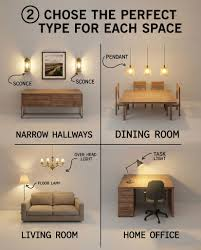
Design ambient lighting grids with dimming capability using tracks or a limited number of recessed fixtures with wide beam optics. Keep fittings aligned with joinery lines where possible so ceilings stay calm rather than spotted.
Task lighting needs precision, such as under cabinet strips at 3000 to 3500 Kelvin in kitchens, and vertical lights flanking bathroom mirrors for shadow free faces. Reserve accent lighting for select features, and avoid ceilings full of scattered downlights that chew through insulation and create glare.
Lighting usually represents between five and ten percent of household electricity use, so efficient LEDs and smart switching deliver quick paybacks. Group circuits by use for flexible scenes, and specify warm to neutral LEDs in living areas for flattering colour rendering on skin, food, and materials.
Build a Colour Strategy That Ages Well Over Time
Resilient colour palettes start with one dominant warm neutral, one deeper contrast neutral, and a single accent hue with consistent undertones. Check sample chips in morning, noon, and late afternoon light, because cities like Melbourne with variable skies shift undertones noticeably.
Reserve quiet tones for large surfaces such as walls, rugs, and major joinery. Use accents through art, cushions, and occasional furniture that can be updated without repainting, and choose low sheen interior paints to reduce glare and hide surface imperfections.
Where possible, review the light reflectance value, or LRV, of paints so darker colours do not unintentionally absorb too much light in south facing rooms. Aim for higher LRV in circulation spaces and lower LRV in media rooms or bedrooms where a cocooned feel is desirable.
Choose Materials and Finishes That Are Durable, Low Tox, and Repairable
Specify materials that support indoor air quality and can be refinished or repaired over decades rather than ripped out and replaced. Use low volatile organic compound, or low VOC, paints, sealers, and adhesives, because build up of indoor pollutants can cause irritation, headaches, and fatigue.
Favour tactile, honest materials such as engineered timber, porcelain, wool, linen, and solid metals that age gracefully instead of plastic laminates that chip and yellow. Ask suppliers for product data sheets that confirm emission ratings, slip resistance, and maintenance requirements so you know what care the finish needs in five or ten years.
Floors and Soft Layers
Select concrete or porcelain for wet zones, entries, and external thresholds where water and grit are unavoidable. Engineered timber works well in living and kitchen zones for warmth, acoustic control, and repairability when boards are damaged.
Use wool carpet with quality underlay in bedrooms, home theatres, and secondary living rooms for acoustic comfort and winter warmth. Research shows wool fibres can absorb common indoor pollutants such as formaldehyde and nitrogen oxides for extended periods, which supports healthier air.
Soften hard surfaces with layered textiles, including rugs, curtains with generous fullness, and upholstered dining chairs. In open plan homes, these soft layers dramatically reduce echo and make conversation easier at family gatherings.
Hardware and Joinery
Reduce hardware profile variety and use integrated pulls or simple bar handles for cleaner visual lines across the home. Invest in soft close hinges and runners that extend lifespan, protect fingers, and improve perceived quality every time a door or drawer is used.
Where budgets are tight, keep joinery carcasses simple and direct funds to fronts, benchtops, and internal hardware that are difficult to replace later. Avoid push to open mechanisms on heavy, high use doors, because they are harder to adjust and less tolerant of rough handling.
Apply Modern Design Principles Room by Room
Each room has specific functional requirements that shape layout, materials, and lighting. Start by deciding what needs to happen in each space on a busy weekday, then support that pattern with clear furniture placement and storage.
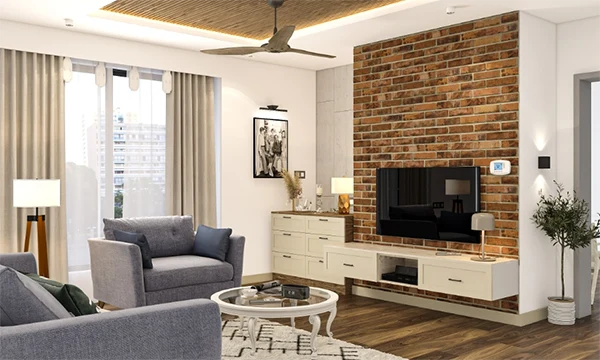
Living rooms benefit from an appropriately scaled sofa, floated furniture that preserves walk through paths, and wool rugs that absorb sound and visually zone seating. Design calm media walls with recessed televisions, integrated power and data, and ventilated cavities to conceal cables and devices.
Kitchens work best with compact work triangles, 600 to 900 millimetre landing zones beside cooktop and sink, and durable benchtops with minimal grout in splashbacks. Duct rangehoods externally with short, smooth runs, and allow space for concealed bins, recycling, and small appliances off main benches.
Bathrooms benefit from large format tiles that reduce grout lines, wall hung vanities that free floor area, and face level lighting instead of downlights that cast shadows. Include storage for everyday items at arm’s reach so benchtops stay clear and cleaning stays manageable.
Bedrooms should read as soft, low stimulus zones with clear access around the bed, deep drawers for folded items, and thick curtains or blinds to manage privacy and light. In home offices or study nooks, prioritise adjustable task lighting, acoustic separation from living areas, and closed storage for paperwork so work clutter does not spill into relaxation zones.
Choose Wool Carpet for Thermal and Acoustic Comfort in Key Rooms
Wool carpet’s natural crimp traps air, improving thermal resistance and winter comfort in bedrooms and living spaces. Ten millimetres of carpet can deliver around R 0.18 compared with roughly R 0.07 for 100 millimetres of bare concrete, which is a meaningful difference for bare feet on cold mornings.

Pair carpet with dense underlay to further reduce floor heat loss, which can otherwise account for ten to twenty percent of total heat loss in lightweight homes. Continuous carpet also reduces drafts that occur through gaps between hard flooring boards.
When you are selecting finishes for bedrooms, home theatres, and secondary living rooms in a modern Australian home, think about how carpet can contribute to warmth underfoot and lower noise levels compared with hard floors. If you want quieter, warmer rooms with a natural feel, take the time to compare wool carpet flooring options from Carpet Right, because wool’s thermal and acoustic benefits suit temperate Australian climates and busy family spaces. Carpet and underlay together can reduce floor impact noise by over twenty decibels and increase sound absorption, which is critical for open plans where hard surfaces create echo.
Specification Details
Shortlist loop versus cut pile textures based on feel and maintenance expectations, with loop piles better at hiding tracking and cut piles feeling plusher underfoot. Select dense, high quality underlay for both acoustic and thermal benefits rather than focusing only on thickness.
Choose mid tone, heathered colours that mask daily wear between cleans and sit comfortably with timber and tile tones. Plan threshold trims early so transitions to tiles or timber finish flush and do not create trip points at room entries.
If household members have asthma or allergies, confirm that the chosen wool carpet meets relevant certification standards and can be vacuumed effectively with a standard machine. Schedule professional cleaning at realistic intervals, based on family size and pets, so fibres keep performing rather than loading up with dust.
Use a 14 Day Action Plan to Move from Ideas to Implementation
Sequence work by impact to avoid rework and maintain momentum. Days one through three focus on decluttering, identifying pain points, measuring rooms and windows, mapping orientation and sun paths, and listing comfort issues such as draughts, glare, or echo.
Days four through six are for building a palette board with large swatches tested in different light, running a lighting audit to mark missing layers, and choosing window treatments that match orientation and privacy needs. Days seven through ten cover decisions on where to use carpet versus hard floors, collecting samples, confirming underlay specifications and thresholds, and setting the installation sequence so trades do not work over finished surfaces.
Days eleven through fourteen focus on ordering fixtures and coverings, booking trades, and preparing rooms with protection boards and clear access. Finish with a simple punch list that captures small defects, missing parts, and touch ups so you can close the loop with each trade quickly.
Set Budget Priorities and Avoid Common Modern Design Mistakes
Owner renovators should fix the building envelope first, then tackle lighting, floors, storage, and finally décor. Renters can still improve comfort by investing in rugs, curtains, plug in lights, and freestanding storage while keeping original fixtures safely stored for future reinstatement.
Save on painted finishes, simple cabinetry carcasses, and decorative items that are easy to replace. Splurge on hinges, runners, tapware, and the sofa, because these pieces take daily wear and strongly influence how the home feels to live in.
Mistakes to Avoid
Avoid dense grids of downlights that create glare, visual clutter, and holes in the insulation layer; aim for fewer, better placed fittings. Do not rely only on internal blinds for west facing glazing, because external shading does far more to prevent overheating.
Limit hard floors in echo prone rooms unless you balance them with rugs, curtains, and upholstery. Keep trend heavy colours and patterns off fixed elements such as tiles and kitchen joinery so the home can evolve without major demolition.
Build a Calm, Comfortable, Future Ready Home That Will Age Well
Modern home interior success depends most on getting the shell right, including orientation, glazing, insulation, shading, and sealing, backed by efficient systems. Layer lighting thoughtfully, specify low tox durable materials, and use generous concealed storage so spaces stay visually calm on busy days.
Treat bedrooms as soft, quiet zones with strong acoustic and thermal performance, and give social spaces the daylight and flexibility they need for changing family patterns. Turn principles into action by walking display homes to benchmark real world layouts and by specifying wool carpet for living rooms and bedrooms, so planning clarity and daily comfort both receive equal attention.