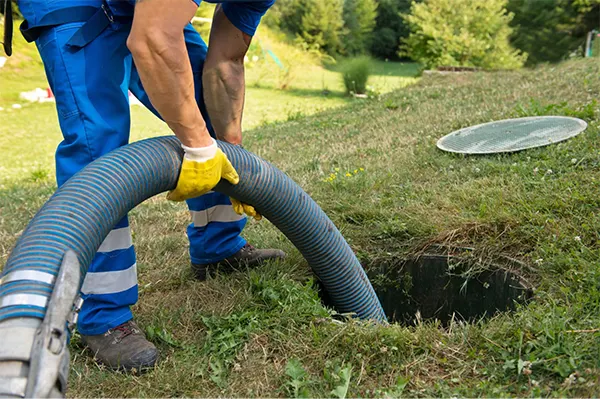
Homeowners are usually pretty good at spotting regular plumbing issues, but the problems in a sewer line are different. They tend to build quietly in the background until something drastic forces the attention of the whole household.
A draining shower, lingering smell after heavy rain, or a bubbling toilet may indicate issues, but they do not always point to the same solution. A clogged line might need a simple repair, whereas a collapsed pipe poses a different story entirely.
Here’s how you can correctly identify such issues in the underground pipe systems and seek the required help using these helpful methods.
Key Takeaways
- Toilets bubbling while the washing machine drains, or water backing up into tubs after flushing, mostly suggest that the problem runs deeper
- A consistent drainage problem across multiple fixture points may indicate root intrusion, building, shifting pipes, or structural deterioration
- A sewer camera allows professionals to inspect the interior condition of the pipe in real-time rather than relying solely on surface symptoms
- The real distinction between repair and replacement mostly depends on the overall condition of the sewer system, not just the latest backup or clog
1. Recurring Backups Usually Point to a Larger Sewer Problem
A single clogged drain isn’t necessarily alarming. Kitchens clog, bathroom sinks slow down, and most homeowners deal with such things at some point.
What changes in these situations is when multiple drains start reacting together, which often forces residents to start looking into sewer cleaning in Walnut Creek after temporary fixes stop working consistently.
Toilets bubbling while the washing machine drains or water backing up into tubs after flushing mostly suggest that the problem runs deeper within the main sewer line rather than an issue inside a single drain.
Trenchless solutions reflect a broader move toward less invasive sewer repair methods, especially for homeowners trying to address underground plumbing issues without completely affecting landscaping, patios, or driveways.
The key change to take note of is usually repetition. One clog may simply mean a routine blockage, but a consistent drainage problem across multiple fixture points may indicate root intrusion, building, shifting pipes, or structural deterioration happening below the surface itself.
2. The Age of the Sewer Line Matters More Than People Expect
Piper systems have a definite life and do not last forever, even if they remain hidden underground for decades. Older homes often contain sewer lines made from clay, cast iron, or Orangeburg materials that gradually weaken over time.
Some pipes become brittle. Others corrode internally. Tree roots also tend to find small weaknesses surprisingly fast once aging pipes begin cracking.
That creates a difficult situation for homeowners as regular repairs may temporarily fix one section while another vulnerable spot develops months later.
A few signs that older sewer systems may be reaching the end of their lifespan include:
- Frequent drain slowdowns
- Recurring root intrusion
- Persistent sewage odors outdoors
- Soft or wet patches in the yard
- Corrosion or pipe collapse discovered during inspection
None of these automatically means replacement is necessary immediately. Still, pipe age changes how plumbers evaluate long-term reliability. A targeted repair makes more sense when the surrounding pipe remains stable overall.
When deterioration appears widespread, replacement discussions become harder to avoid.
Fun Fact
Sometimes the items causing a sewer line failure are stranger than the repairs themselves. Plumbers have frequently had to excavate toy action figures, false teeth, and other oddities.
3. Camera Inspections Usually Reveal the Real Condition of the Pipe
Most homeowners are guessing until a camera inspection happens. Sewer problems are tricky because such completely different issues tend to create almost identical symptoms seen inside the house.
A slow drain could also come from grease buildup, tree roots, collapsed piping, standing water, or years of debris accumulation inside the line.
Video inspections changed that process dramatically. A sewer camera allows professionals to inspect the interior condition of the pipe in real-time rather than relying solely on surface symptoms.
That visual information often displays whether a repair is a realistic solution or if the damage extends across larger sections of the pipe.
Sometimes inspections reveal surprisingly localized problems. A crack in one section. A root intrusion near a joint. A blockage concentrated in a small area.
Other times, the footage shows entire stretches of deterioration where patching one section would only delay future failures elsewhere.
And this makes the homeowners usually feel relieved once they can finally identify the actual issue. Uncertainty tends to make the problems feel worse than they already are.
4. Yard Damage and Odors Often Signal More Extensive Failure
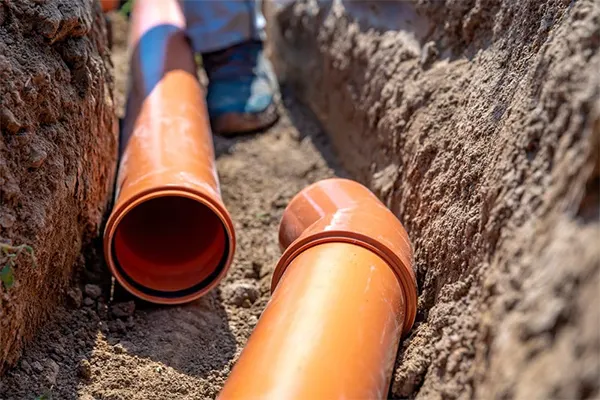
Sewer problems do not remain hidden underground neatly. As pipes crack or collapse, wastewater may start escaping into the surrounding soil long before a total blockage takes place.
That leakage can end up affecting landscaping, foundations, and even indoor air quality, considering where the damage develops.
Homeowners sometimes notice:
- Unusually green patches of grass
- Soggy areas in the yard
- Strong sewage odors outdoors
- Foundation moisture near the lower walls
- Mold or mildew smells indoors
A localized repair may still work if the damage remains restricted to one section of the pipe, but widespread moisture problems or repeated leakage often suggest the sewer line is deteriorating beyond a simple spot repair solution.
That is mostly when plumbers begin discussing replacement options more seriously. The frustrating part is that sewer lines rarely fail simultaneously. They often degrade gradually, making it tempting to keep postponing the bigger decision.
Conclusion
Sewer line issues rarely provide definite answers immediately. Most homeowners spend time hoping the problem is small before realizing the symptoms keep recurring or slowly becoming more disruptive over time.
The real distinction between repair and replacement mostly depends on the overall condition of the sewer system, not just the latest backup or clog, causing frustration at the moment.
Localized damage can usually be repaired quite easily. Aging pipes with major structural issues usually indicate something more comprehensive.
What matters most is understanding what is actually taking place underground before moving on to spend money on temporary fixes that may not last. Sometimes a repair truly is enough, but sometimes the sewer line is already telling a bigger story beneath the surface.
FAQs
What are the symptoms of an extensive failure?
The following are the symptoms:
- Unusually green patches of grass
- Soggy areas in the yard
- Strong sewage odors outdoors
- Foundation moisture near the lower walls
Why is an inspection important?
A professional inspection brings clarity on the issues taking place in the sewer line, and helps homeowners identify if the problem requires a small fix or major replacement.
What are the signs that a sewer line may be reaching its end-of-life?
The following are the signs:
- Frequent drain slowdowns
- Recurring root intrusion
- Persistent sewage odors outdoors
- Soft or wet patches in the yard
What are the causes of a slow drain?
A slow drain could also come from grease buildup, tree roots, collapsed piping, standing water, or years of debris accumulation inside the line.