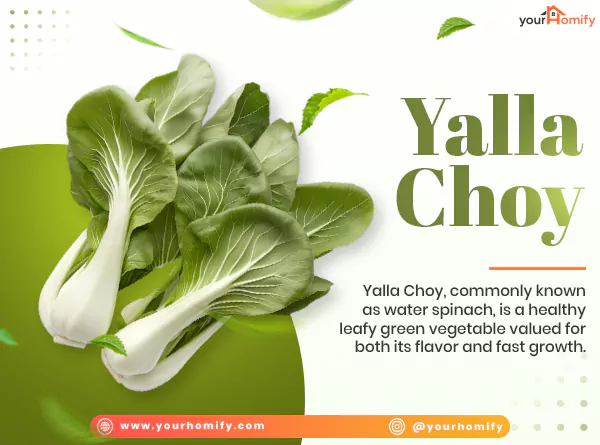
If you enjoy growing fresh vegetables or trying nutritious leafy greens, Yalla Choy is a plant worth discovering. Also known as water spinach, this fast-growing vegetable is loved for its tender leaves, refreshing taste, and nutritional value.
Moving further, in this complete guide to Yalla Choy, I will walk you through its health benefits, cooking uses, growing tips, and everything you need to know before adding this versatile green to your garden and meals.
Quick Answer
Yalla Choy, also known as water spinach, is a fast-growing leafy green vegetable valued for its mild flavor and versatile use in stir-fries, soups, curries, and salads.
What is Yalla Choy? Different Names Around the World
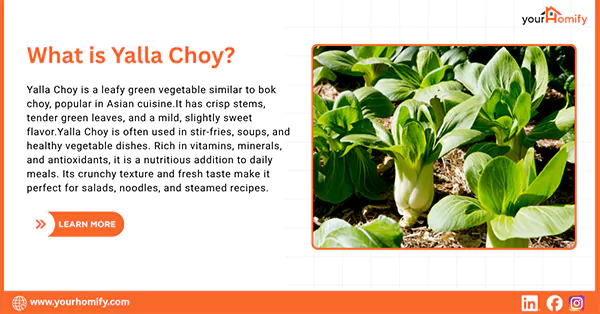
Yalla Choy is a fast-growing leafy green vegetable commonly known as water spinach. It belongs to the Morning Glory family and is botanically called Ipomoea aquatica. The plant grows naturally in warm, moist, and tropical regions, especially near water bodies. Its long, hollow stems and tender green leaves are widely used in Asian cooking.
This leafy vegetable is known by various names around the world. In Southeast Asia, it is often called kangkong or ong choy, while in some regions it is known as river spinach or swamp cabbage. In India, local names may vary depending on the state and language. Despite its different names, the vegetable is valued for its mild flavor, quick growth, and health benefits.
How to Grow Yalla Choy at Home?
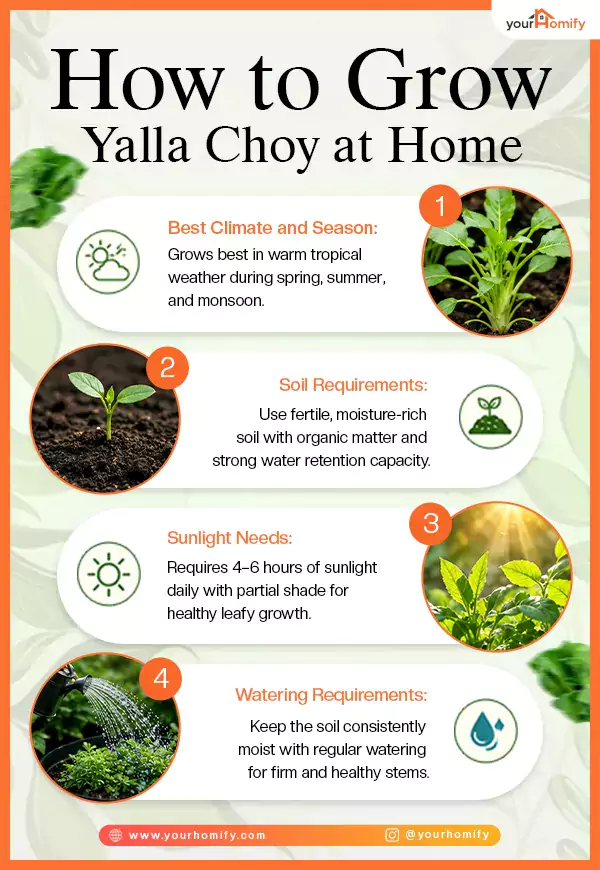
Growing Yalla Choy at home is simple because this leafy vegetable thrives in warm, humid conditions and grows very quickly. It can be grown in garden beds, containers, raised beds, or even near local water sources. With proper sunlight and regular watering, the plant produces fresh green leaves throughout the growing season.
- Best Climate and Season: Yalla Choy grows best in tropical and subtropical climates with temperatures between 20 °C and 35 °C. In most countries, spring, summer, and monsoon seasons are ideal for planting.
- Soil Requirements: Use fertile, loose, moisture-absorbing soil rich in organic matter. Slightly muddy or consistently damp soil encourages healthy growth. The ideal pH range is 5.5 to 7.0 for optimal development.
- Sunlight Needs: This leafy green plant prefers growing in full sun or partial shade. Around 4-6 hours of direct sun exposure is mandatory to produce tender stems and lush leaves. If growing indoors, place the container near and east facing window.
- Watering Requirements: Since Yalla Choy is a semi-aquatic vegetable, it needs frequent watering. Keep the soil consistently moist, but avoid stagnant, dirty water. Proper watering ensures that the stem of the veggie is firm.
Pro Tip Based on Personal Experience
Growing in Pots: Choose wide containers with drainage holes and water regularly
Growing on Ground: Plant in moist garden soil with enough spacing for faster spreading growth.
With the right care, Yalla Choy can be harvested within a few weeks and continues producing fresh leaves after each cutting.
Step-by-Step Guide to Planting Yalla Choy
Planting Yalla Choy is easy and beginner-friendly because it grows quickly in warm, moist conditions. You can grow it either from seeds or stem cuttings, making it a convenient vegetable for home gardens, balconies, or even front lawns.
1. Growing Yalla Choy From Seeds
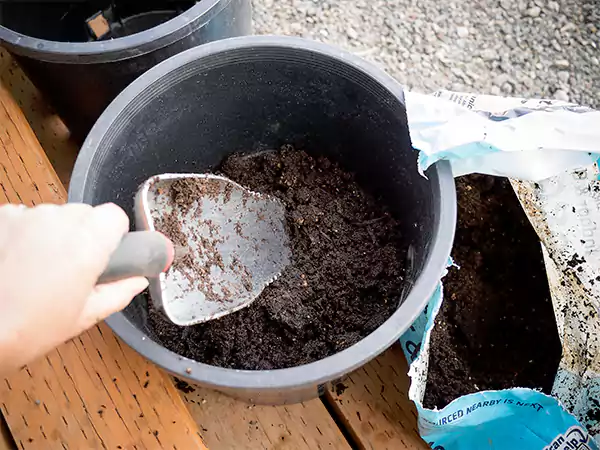
- Fill pots or garden beds with fertile and moist soil.

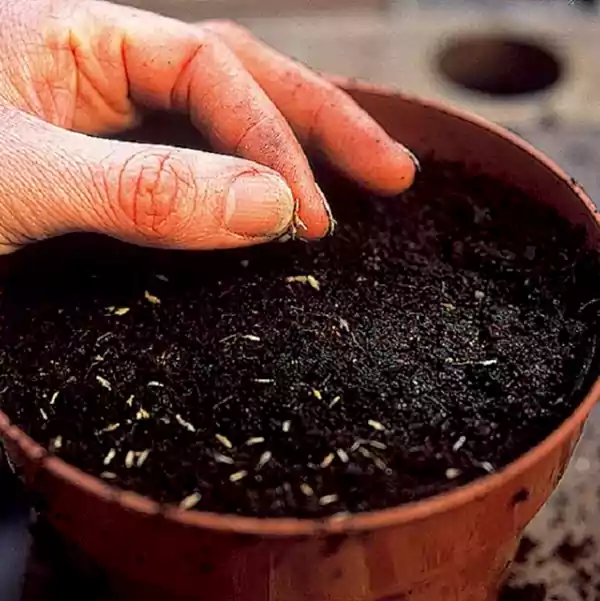
- Sow the seeds about 1-2 cm deep in the soil.

- Leave small gaps between seeds for proper airflow.
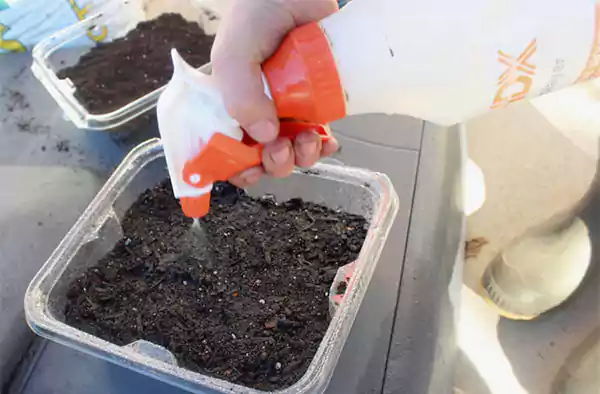
- Water gently after planting to keep the soil damp.

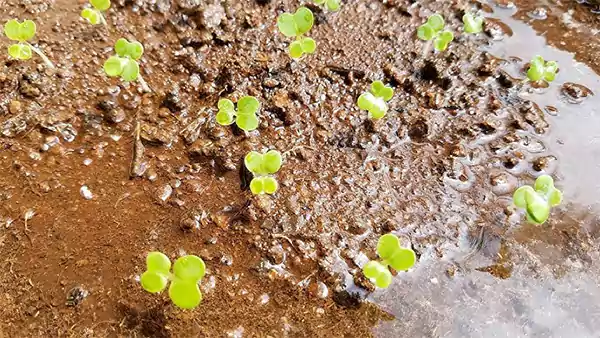
- Seeds usually germinate within 5–10 days in warm settings.

2. Growing From Stem Cuttings
- Take healthy 5-6-inch stem cuttings from a mature plant.

- Remove the lower leaves from the stems.
- Place the cuttings in moist soil or a shallow water pot.
- You will notice roots developing within a few days.
- Once rooted, transfer them to pots or garden beds.
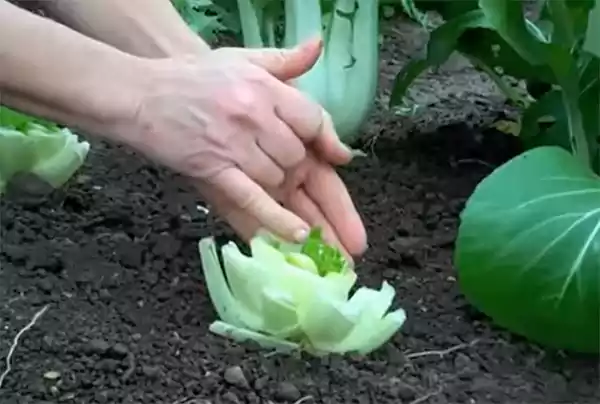
3. Spacing and Transplanting Tips For Faster Growth
- I make sure to keep around 6-8 inches of spacing between plants.
- Transplant seedlings carefully to avoid root damage.
- I prefer watering the plant immediately after transplanting to promote optimal development and maintain soil moisture.
- Consider using compost-rich soil and avoiding freezing temperatures.
With proper planting and care, you can witness a fresh new harvest within 3-4 weeks. Harvest regularly to encourage new growth.
Yalla Choy Plant Care Guide
I love how Yalla Choy is a low-maintenance leafy vegetable that grows quickly when given the ideal growing conditions. Regular care helps the plant produce tender stems, fresh leaves, and continuous harvests throughout the growing season.
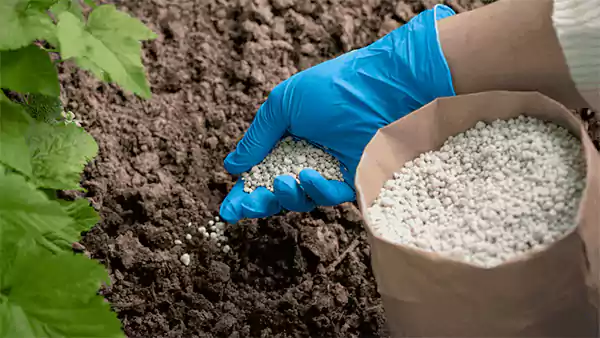
- Fertilizer Requirements: Since the veggie is a heavy feeder, I prefer feeding the plant with compost, vermicompost, or a balanced organic fertilizer every 2-3 weeks. An NPK chemical mixture helps encourage lush green leafy growth.
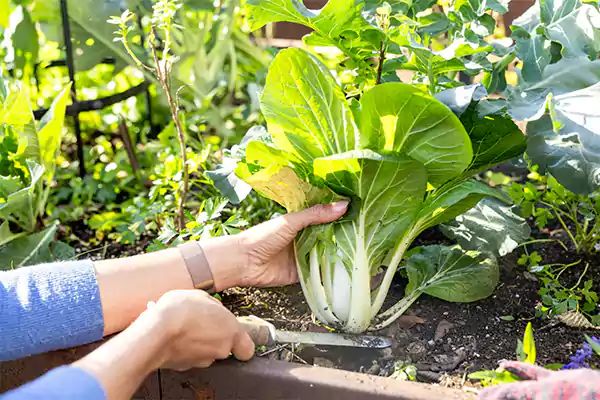
- Pruning and Harvesting: Trim the top stems regularly for bushier growth. Though this leafy vegetable does not need regular pruning, its leaves can be harvested before the entire plant matures. Frequent harvesting and popper trimming can produce fresh shoots.

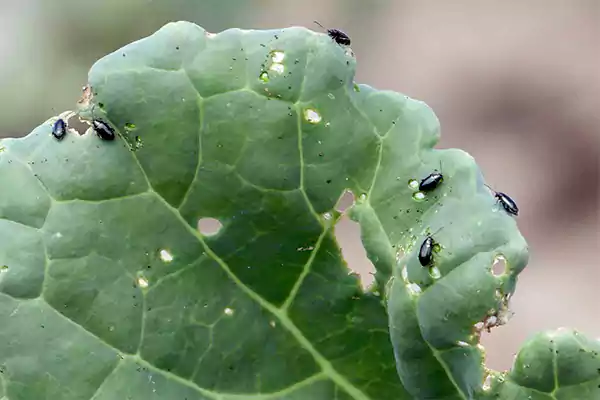
- Pest and Disease Management: Common pests include aphids, snails, and caterpillars. Use neem oil spray or mild organic pesticides if needed. If you notice chewed leaves, isolate the plant immediately to avoid further spreading.
I personally make sure to add mulch around the base of the plant to retain its moisture, reduce weeds, and keep the roots cool during summer.
Nutritional Value of the Leafy Green Vegetable
Yalla Choy is a nutrient-rich leafy green vegetable packed with vitamins, minerals, fiber, and antioxidants. Despite being low in calories, it provides several essential nutrients that support overall health and daily nutrition.
| Nutritional Value Per 100 gm (Raw or Lightly Cooked) | |
| Calories | 13-20 kcal |
| Protein | 1.5 g |
| Carbohydrates | 2.2-3.2 g |
| Dietary Fiber | 1 g |
| Fat | 0.2 g |
| Vitamin A | 25% – 90 % (Beta-carotene) |
| Vitamin C | 50 mg |
| Calcium | 105 mg |
| Iron | 1.2 mg |
Because of its nutrient density and refreshing nature, Yalla Choy is often included in healthy diets, especially during warm seasons. It is frequently used in salads, stir-fried veggies, and soups. I personally like to add it to noodles or rice bowls for that extra crunch!
Top Health Benefits That Yalla Choy Offers
There is no denying the fact that Yalla Choy is more than just a leafy green vegetable. It is packed with essential nutrients, antioxidants, and fiber that support overall wellness. Here are some top health benefits that this superfood has to offer.
- Healthy Digestion: It contains dietary fiber that helps improve digestion and supports smoother bowel movements. Regular consumption of the vegetable can reduce bloating, constipation, and any kind of digestive discomfort. Its high water content keeps the digestive system hydrated and active.
- Rich in Antioxidants: The green leaves contain antioxidants like beta-carotene and vitamin C that help protect the body from oxidative stress. These compounds may help reduce cell damage caused by bacteria or free radicals, hence enhancing overall wellness.
- Eye Health: Since the vegetable is an excellent source of vitamin A and carotenoids, nutrients known for healthy vision, regular intake may help maintain proper eye functioning. It also protects the eyesight from strain caused by aging or screen exposure.
- Improves Skin Health: The vitamins and antioxidants present in Yalla Choy naturally support skin health. It contributes to collagen production, while the hydration from the vegetable makes the skin appear clear, glowing, and acne-free.
- Good Source of Iron: This leafy superfood provides iron, an essential mineral that supports healthy blood circulation and oxygen transport in the body.
Yalla Choy vs Spinach: What are the Key Differences?
Yalla Choy and Spinach are both nutritious leafy green vegetables, but they differ in taste, texture, growing conditions, and culinary uses. While Spinach is widely grown in cooler climates, Yalla Choy thrives in warm and moist environments.
Both vegetables are highly nutritious and rich in vitamins, minerals, and antioxidants. Yalla Choy is especially valued for hydration and quick growth, while spinach is often appreciated for its iron and folate content.
The choice depends on personal preference. Both Yalla Choy and spinach can be excellent additions to home gardens and everyday meals.
Conclusion
To sum up, Yalla Choy is a nutritious and versatile leafy vegetable that combines health benefits, delicious flavor, and easy growing habits. From its fast-growing nature to its ability to support digestion and hydration, this plant can be a valuable addition to your home garden.
Whether you grow it in pots or cook it in stir fries and soups, Yalla Choy offers a simple way to enjoy freshness while supporting overall wellness.
FAQs
What is Yalla Choy?
Yalla Choy is a leafy green vegetable also known as water spinach. It is commonly used in Asian cuisine and grows well in warm and moist climatic conditions.
Is Yalla Choy the same as Water Spinach?
Yes, Yalla Chiy is another name for water spinach and is scientifically called Ipomoea aquatica.
What does Yalla Choy taste like?
Yalla Choy has a mild, slightly earthy flavor with tender stems and soft leaves, similar to spinach but more delicate when cooked.
Can Yalla Choy be grown at home?
Yes, Yalla Choy is easy to grow at home in pots, containers, or garden beds with moist soil, warm temperature settings, and adequate watering. Make sure to use proper pesticides in case of any fungal infections on the leaves.
How long does Yalla Choy take to grow?
This leafy green vegetable is a fast-growing harvest and can usually be harvested within 3-4 weeks after planting.