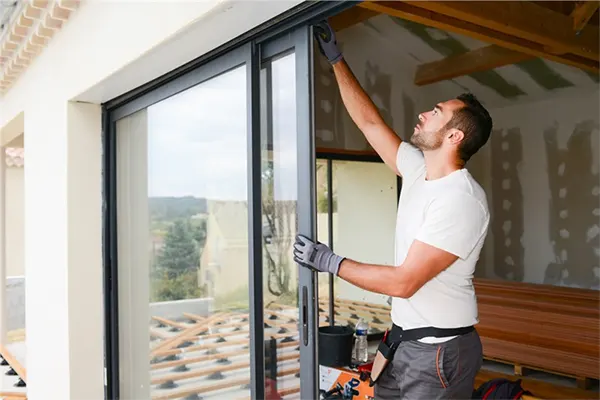
Windows and doors are one of the most overlooked features of a home, as many homeowners tend to ignore the issues until they become too costly to repair. These problems can be caused by various naturally occurring factors.
Moreover, their underperformance over the years can also lead to higher heating and cooling costs, gradual moisture intrusion, reduced comfort, insulation and security throughout the home, making the early identification of such issues essential.
Key Takeaways
- A poorly insulated window or a sealed door frame can lead to the escape of conditioned air, thereby forcing your cooling and heating systems to work longer and harder
- A failed sealed unit that’s left in place continues to provide poor thermal performance and can allow moisture to track into the surrounding frame structure over time
- Rotted timber provides neither the structural integrity nor the thermal or weather performance that intact frames tend to deliver, and the rot, once established, goes on to only spread
- A professional assessment can help determine whether replacement is needed or whether certain units can still be repaired effectively
Sign 1: Your Energy Bills Are Higher Than They Should Be
Windows and doors are responsible for a huge proportion of a home’s heat loss and gain. A poorly insulated window or a sealed door frame can lead to the escape of conditioned air, thus allowing the outdoor temperature to penetrate, and forcing your heating and cooling systems to work longer and harder.
If your energy bills have been spiking without a clear explanation, or if specific rooms are being harder to heat or cool than others, the windows and doors in those rooms might be worth a second look.
The technology in window insulation has advanced substantially. Modern double and triple-glazed units with low-emission coatings provide better thermal performance than their traditional counterparts. The energy savings from upgrading usually contribute significantly towards offsetting the installation cost over the product’s entire lifespan.
Sign 2: You Can Feel Draughts Near Closed Windows or Doors
Hold your hand near the edge of a closed window or door on a windy day. If you can feel air movement, the seal has failed.
Draught seals and weatherstripping do degrade over time, and can often be replaced without full unit replacement as a stopgap. But when the seal failure is accompanied by frame deterioration, condensation problems, or visible physical damage, the economics usually favour full replacement over ongoing maintenance.
At that point, continuing to fix the problem can end up costing a lot more in energy loss, repairs, and repeated short-term fixes than replacing the entire unit. Better comfort and more stable indoor temperatures are also common benefits once properly sealed, modern units are installed.
Sign 3: Condensation or Moisture Between Double-Glazed Panes
Condensation on the interior surface is a ventilation issue, annoying but not exactly a window problem. But, condensation between the panes of a double-glazed unit is altogether a different matter.
When you notice fogging, misting, or moisture between the panes, it means the sealed unit has failed, and the gas that fills in between, providing thermal insulation, has been fully replaced by moist air.
The unit has lost most of its insulation perks and cannot be repaired by cleaning. The sealed unit or the entire window needs replacement.
This is worth addressing promptly. A failed sealed unit that’s left in place continues to provide poor thermal performance and can allow moisture to track into the surrounding frame structure over time.
Sign 4: Difficulty Operating Windows or Doors
Windows and doors that have become difficult to open, close, or lock have usually shifted in their frames, often as a result of frame warping, settlement in the surrounding structure, or deterioration of the hardware.
Occasional adjustment is normal in timber frames that respond to seasonal humidity changes. Persistent difficulty, or difficulty that’s getting progressively worse, typically indicates that adjustment isn’t going to provide a lasting solution.
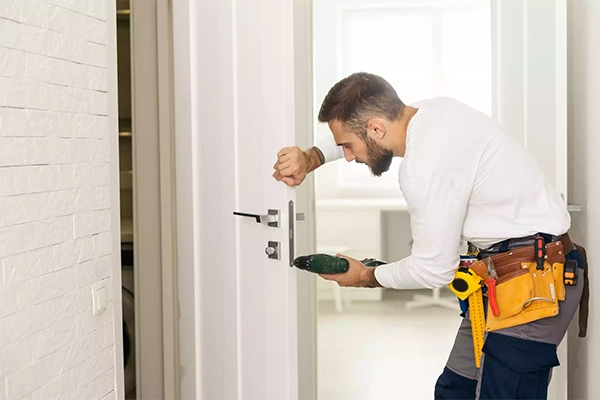
Operating issues also raise security concerns; a window or door that doesn’t lock properly is a vulnerability that needs to be addressed.
Fun Fact
The Buckingham Palace has a staggering 760 windows and 1,514 doors. The White House features 147 windows.
Sign 5: Visible Deterioration of Frames
Timber frames that indicate rot, softness, or visible decay have reached the point where replacement seems like the appropriate solution. Rotted timber provides neither the structural integrity nor the thermal or weather performance that intact frames tend to deliver, and the rot, once established, goes on to only spread.
uPVC and aluminium frames are incapable of rot, but they can still crack, warp, or degrade in many ways that affect their performance and appearance over time.
If you have noticed physical deterioration in frames, particularly at tight corners, junctions, and any area where water might have been sitting, a professional assessment will let you identify whether repair or replacement is the better path, economically.
Sign 6: Your Home Doesn’t Feel Secure
Modern windows and doors, including locking systems and glazing standards that are absent in older units. If your home’s original windows and external doors are more than twenty years old, both security performance and insulation are likely below acceptable standards.
Upgrading to modern glazing and multi-point locking systems can improve both home security and overall energy efficiency. A professional assessment can help determine whether replacement is needed or whether certain units can still be repaired effectively.
Working with a Window and Door Installation and replacement Company allows homeowners to assess failing units properly, choose suitable replacement options, and ensure the new installation performs correctly for the home’s climate and energy-efficiency needs.
Companies like Premier North Windows and Doors provide replacement services and product installation, helping homeowners upgrade their old windows and doors before larger structural damage or energy-efficiency problems develop.
According to Natural Resources Canada’s homeowner energy efficiency guidance, windows and doors can account for up to 25% of a home’s total heat loss, making their replacement one of the higher-impact energy efficiency improvements available to Canadian homeowners.
What Replacement Actually Involves
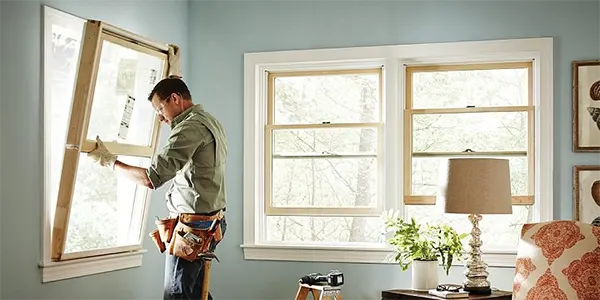
For homeowners who’ve been delaying the conversation because the project feels too daunting, it’s worth clearing up what windows and door replacement actually involves.
Modern installation is typically faster than homeowners expect. Individual windows are usually replaced within a day or less. A full-home replacement project on an average-sized house can typically take a few days to be completed by an experienced crew.
The disruption is minimal and temporary. The improvement in thermal comfort, energy utilisation, and appearance is immediate and lasting.
Conclusion
Windows and doors rarely fail all at once. Usually, they quietly become less efficient over time, increasing energy bills, reducing comfort, and steadily deteriorating until the problems become impossible to ignore.
Recognising those early warning signs makes a significant difference, and addressing such issues before frame damage spreads, seals fall apart, or moisture begins to affect the surrounding structures can transform a costly replacement problem into a far more manageable maintenance decision.
FAQs
Q1) Are uPVC and aluminium frames good for use?
Ans: uPVC and aluminium frames are incapable of rot, but they can still crack, warp, or degrade in many ways that affect their performance and appearance over time.
Q2) Do installations take time?
Ans: Modern installation is typically faster than homeowners expect. Individual windows are usually replaced within a day or less, but a full-home replacement project may take a few days to complete.
Q3) Can rotted timber frames be repaired?
Ans: No, timber frames that indicate rot, softness, or visible decay have reached the point where replacement seems like the appropriate solution, as these problems cannot be fixed.
Q4) How to identify issues in window panes?
Ans: When you notice fogging, misting, or moisture between the panes, it means the sealed unit has failed, and the gas that fills in between, providing thermal insulation, has been fully replaced by moist air.