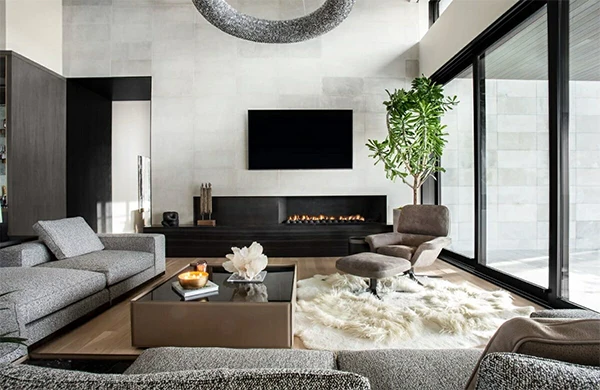
The vacation rental industry has evolved significantly in recent times, transforming from simple short-term accommodation options to fully optimized guest-oriented environments.
With that, the travelers’ expectations have also changed, as they expect comfort, efficiency, cleanliness, and a design that enhances their experience. This shift has placed a greater emphasis on how most properties are designed, maintained, and structured.
This article outlines how the aspect of functionality has taken more importance than plain aesthetics, and why its equal distribution is important to determine long-term success.
Key Takeaways
- While design aesthetics create better first impressions, it is functionality that determines whether those views are sustained throughout the stay
- In high-traffic properties where many guests cycle through short stays, even minor infrastructural decisions can have a lasting impact on maintenance costs
- Operational efficiency ultimately contributes to higher profitability and increased scalability for rental businesses
- The most successful properties often strike a balance between style and practicality
Why Functionality Defines Guest Satisfaction
While design aesthetics create better first impressions, it is functionality that determines whether those views are sustained throughout the stay. A beautiful property that has a few difficult-to-use features or is poorly structured can quickly lead to the creation of negative guest experiences.
Functionality includes many elements such as room layout, furniture placement, lighting design, and the practicality of shared spaces like kitchens and bathrooms.
When these aspects are thoughtfully designed and built, guests feel a lot more comfortable and at ease.
This directly impacts reviews, repeat bookings, and overall property performance.
The Importance Of Durable Infrastructure In High-Turnover Properties
Vacation rentals experience significant amounts of wear and tear compared to private homes. Frequent guest turnover means that materials and systems must be chosen not only based on appearance but also for durability and ease of maintenance.
One of the most overlooked aspects in this category is how overall design contributes to both guest perception and operational efficiency.
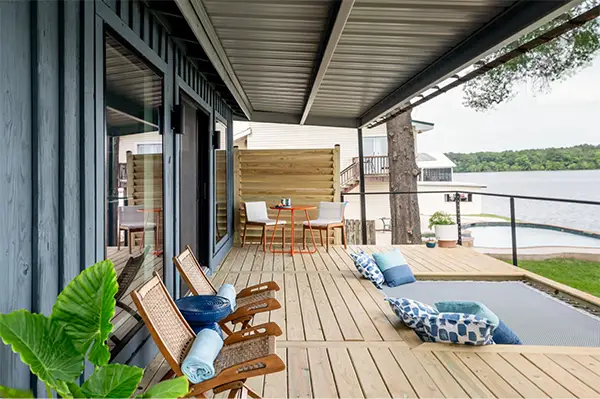
In high-traffic properties where many guests cycle through short stays, even minor infrastructural decisions can have a lasting impact on maintenance costs and overall satisfaction.
This is precisely where standardized and durable solutions become a lot more important for owners who require the maintenance of consistency across many units or listings.
Platforms and suppliers such as onepointpartitions.com are often referenced when discussing the modern approaches to optimizing bathroom layouts, especially for balancing privacy, durability, and ease of maintenance in shared environments.
Such systems assist property managers in maintaining consistent quality while also reducing long-term operational strain, mostly in properties that increasingly depend on frequent cleaning and fast turnaround between guests.
How Design Impacts Operational Efficiency
Great design not only prioritizes guest experience. It also affects operational efficiency. Properties that are easy to clean, maintain, and reset between guests allow managers to operate better and reduce downtime.
Simple alterations in room layouts can reduce the time required for cleaning and preparation considerably. This is especially important for properties that face high booking frequency or short turnover windows.
Operational efficiency ultimately contributes to higher profitability and increased scalability for rental businesses.
Fun Fact
Large mirrors aren’t just for checking your outfit. Placing them strategically reflects light and makes smaller, builder-grade rentals feel instantly larger.
The Balance Between Style And Practicality
One of the ongoing challenges in vacation rental design is balancing visual appeal with long-term practicality. While stylish interiors benefit bookings, overly delicate or impractical design additions lead to maintenance issues over time.
The most successful properties often strike a balance between these two aspects. They uphold a visually appealing environment while also ensuring that materials and layouts are suitable for repeated use.
This balance assists in creating a sustainable model for long-term property performance.
Guest Expectations Are Higher Than Ever
Modern guests are better informed and more selective than ever before, as they have access to thousands of listings across multiple platforms. Travelers compare properties not only on price and location, but also base their selections on design quality and functionality.
This means that even minor design details can influence booking decisions. Cleanliness, comfort, and a thoughtful layout all contribute to how a property is viewed in a highly competitive market.
Meeting such standards and expectations requires continuous changes and improvements in both design and maintenance strategies.
Conclusion
The industry continues to strive toward a more refined and experience-focused model. Success is no longer based on location or price, but on how well a property is designed to support real needs.
Functionality, durability, and design integrations are now core components of high-performing rental properties. As the industry transforms, property owners who invest in practical and well-structured environments are better positioned to achieve greater long-term success in an increasingly competitive market.
FAQs
How have the expectations of guests changed over time?
Guests now expect to experience thoughtful design and a smooth integration of functional elements. This greatly influences their selections in a highly competitive market.
How can one ensure a balance between style and practicality?
Style and practicality can be balanced by obtaining durable materials that appear clean and provide functional benefits to the guest, thus striking the perfect balance.
Why is it important to have durable infrastructure in high-traffic properties?
High-traffic properties experience significant amounts of wear and tear compared to private homes. Frequent guest turnover means that materials and systems must be durable.
What elements does functionality include?
Functionality includes many elements such as room layout, furniture placement, lighting design, and the practicality of shared spaces like kitchens and bathrooms.