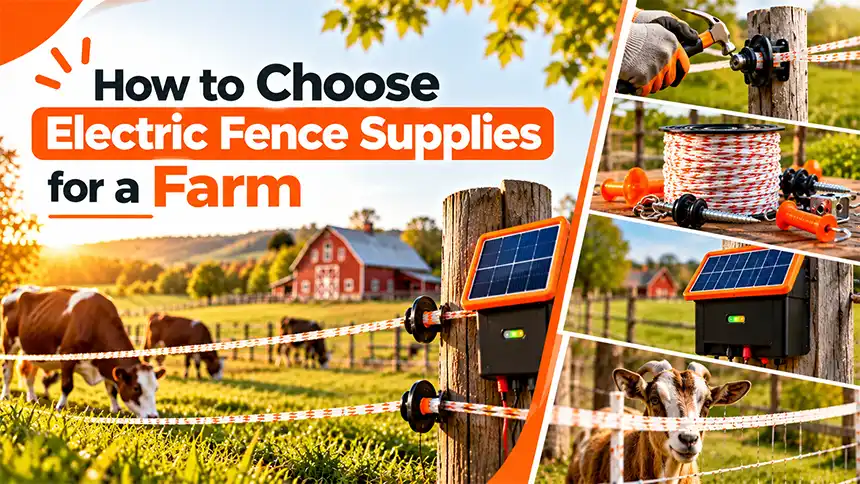
A dependable farm perimeter is much more than an energizer and a roll of wire. The fence should be of a kind that suits the animals, soil conditions, pasture shape, and frequency of relocation. Poorly matched components can result in weak voltage, sagging lines, and difficult maintenance. The problems can be avoided if you buy carefully before installation.
Farmers who are comparing fence systems should list the animals, perimeter length, terrain, and available power source. A suitable selection of electric fence supplies should match those conditions instead of copying another property’s setup.
Match the Fence Format To the Property
Electric netting is best for poultry, sheep, goats, deer, hogs, and temporary backyard garden enclosures. Its connected vertical and horizontal strands make a visible barrier that moves with the animals. Netting works better for rotational grazing because workers can relocate sections without rebuilding a permanent perimeter and helps in garden cleanup.
Traditional fencing uses polyrope, polytape, or polywire with isolated posts. This format suits longer runs, created boundaries, and properties that need adjustable strand heights. Polyrope and polytape offer greater visibility, while polywire suits installations that need a slimmer conductor.
The animal dictates the fence’s spacing and height. Poultry needs a close mesh that limits gaps near the ground. Goats need a fence that resists climbing and pressure. A deer perimeter requires enough height and visibility to discourage jumping, while garden fencing must block access without hindering routine work.
Select an Energizer for the Power Source
An energizer sends pulses through the conductive strands. Choose an AC model when the fence sits near a dependable electrical outlet. A solar energizer works for remote paddocks, temporary enclosures, and locations without convenient utility power.
The energizer must suit the fence’s length and construction. Longer runs, dense vegetation, and various connected sections increase electrical demand. A system with more netting than the energizer supports offers inconsistent protection, even when every component appears properly installed.
A lead cable connects the energizer to the fence. A cable with an alligator clip makes that connection easier to check and reposition during setup. The ground connection also needs clean contact with perfect soil, unless the fence uses a positive-negative design.
Consider Soil and Weather Conditions
Standard electric fencing depends on the ground to complete the circuit. Dry, sandy, frozen, or snow-covered soil minimizes conductivity and weakens the shock an animal receives. These conditions need a different approach than moist pasture with stable ground contact.
Positive-negative netting holds positive and negative strands within the fence itself. When an animal touches adjacent strands, the circuit completes through the netting rather than relying fully on soil moisture. This design suits dry or sandy areas and aids consistent performance during difficult ground conditions.
Vegetation also influences fence performance. Grass and weeds touching energized strands drain power and create faults. Clear the fence path before installation, then check it after rain and periods of rapid plant growth.
Choose Posts, Gates, and Connectors Carefully
Posts hold the fence at its intended height and keep conductors individually. Fiberglass posts offer rigidity with some flexibility, while galvanized double spikes improve lateral stability in varied soil. Check each post for bending, damage, or poor footing before attaching netting.
A gate creates a practical entry point without needing workers to disconnect the entire perimeter. Choose a gate that matches the netting height, and place it where equipment, feed carts, or livestock movement needs regular access. Keep the opening clear of low spots that could let animals pass beneath it.
Connectors, clips, and spare posts support everyday repairs. Litzclips join or repair conductive sections, while replacement posts restore tension after wind, impact, or repeated relocation. Storing a small repair kit near the fence minimizes downtime after minor damage.
Inspect the Perimeter on a Set Schedule
Walk the fence line after installation and harsh weather. Look for sagging netting, loose connections, fallen branches, and vegetation touching energized strands. Inspect gates for secure closure, particularly after moving animals into a new enclosure.
Check the energizer and inspect the lead cable before placing livestock inside. A fence that looks complete can still have a break in its conductive path. Periodic checks also reveal worn components before they cause an escape or allow predator entry.
For frequently moved systems, label sections and store them dry, clean, and free from tight bends. Coil cables without sharp kinks, eliminate soil from spikes, and group posts by length. These habits lessen the next installation and protect the equipment.
Conclusion
A reliable farm perimeter starts with a clear match between the animals, site conditions, fence format, and energizer. Electric netting supports portable enclosures, while polyrope, polytape, and polywire match adjustable traditional layouts. Dry soil can require positive-negative netting, and every system relies on sound posts, gates, connections, and inspections. Before buying, measure the planned perimeter, detect the power source, and list likely maintenance issues. Then select compatible components as one whole system.
FAQs
What is the best type of perimeter fence for a farm?
The best type of perimeter fence for a farm is high-tensile fixed-knot woven wire fence.
How many joules is a good electric fence?
2 to 8 output joules is considered standard for a good electric fence.
What is the best height for an electric fence for cattle?
The best height for an electric fence for cattle is 42 to 54 inches.