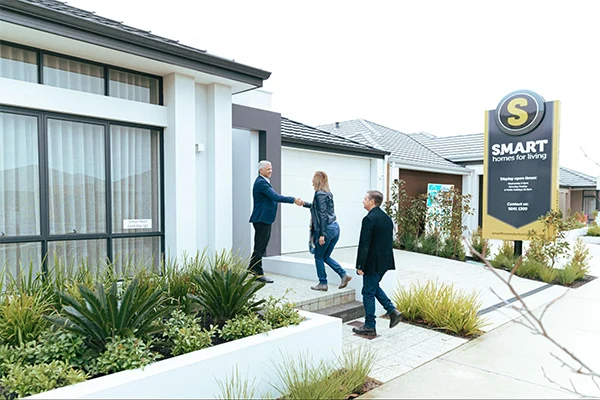
Visiting someone’s home a decade ago, you’d rarely find a video doorbell or smart thermostat. Today, buyers often expect those features before they even schedule a showing.
The numbers tell the story. Yahoo Finance says that among US households with internet access, 45% already own at least one smart home device. Smart technology has quietly shifted from being a luxury upgrade to an everyday expectation.
This is also influencing property values. Home automation and integration are increasing a home’s resale value. Buyers are no longer paying for flashy gadgets. They’re looking for homes that feel safer, more efficient, and ready to move into from day one.
KEY TAKEAWAYS
- Smart home features have shifted from luxury upgrades to standard buyer expectations.
- Security, convenience, smart lighting, and energy efficiency are the features buyers value most.
- Affordable upgrades like smart locks, thermostats, and lighting can improve buyer interest without major renovations.
- The right smart home improvements can enhance resale value and help listings stand out in a competitive market.
Security Is No Longer a Premium Feature
For most buyers, smart home technology means better security. Video doorbells, outdoor cameras, smart locks, and motion sensors have become expected features rather than premium upgrades. Now a premium upgrade means your own home theater.
Around 8.2% of American households have already installed smart door locks. For buyers who have lived with keyless entry for years, a standard key lock reads as outdated, the way a fax machine does. This is no longer a luxury-tier expectation. It is baseline, and homes without it are quietly competing at a disadvantage.
Buyers Want Convenience, Not More Technology
When someone says they want a smart home, they don’t necessarily mean more gadgets. They want fewer hassles and more convenience. A home automation setup:
- Runs multiple applications
- Uses separate logins
- Is connected to disconnected systems
The shift mirrors what happened with Wi-Fi. Homebuyers rarely ask about the technical details anymore. They just expect it to work. Smart home tech is moving in the same direction. The best systems are the ones that buyers barely notice because everything functions without a break.
Smart Lighting Creates an Immediate Impact
While security satisfies practical needs, smart lighting often creates the emotional connection that buyers remember after a showing. The infographic summarizes its main features:
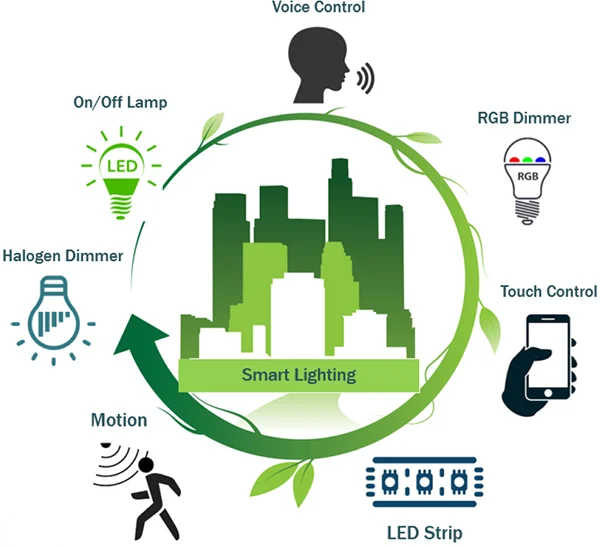
According to real estate agents at Coldwell Banker Warburg, smart lighting is one of the most frequently discussed topics among new home buyers. Many say it is because lighting directly affects how a home feels.
A smart lighting system instantly improves your space. Who doesn’t like a light controlled by their voice or a preset scene that creates a warmer atmosphere? Buyers often remember these moments long after leaving the showing.
Compared to major renovations, the installation cost of these lights is relatively low, yet it creates a significant impact.
Energy Efficiency Is Driving More Decisions Than Ever
Rising utility costs have made energy efficiency a key factor in homebuying decisions.
According to Realtor.com’s 2025 Home Trends Report, which tracked language across millions of active listings year over year, EV charging features surged 175% in listing mentions, and turnkey homes jumped 198%. These are not niche preferences confined to a small corner of the market. They are in the buyer search filters.
Smart thermostats sit right in the middle of this shift. Independent studies consistently show savings of 10% to 15% on annual heating and cooling costs through technology that automatically manages lighting and temperature. For buyers actively cutting costs, those savings can be meaningful.
An EV charger matters too, but it depends on the zip code. In some markets, it clearly moves the needle. In others, spending $2,000 on installation returns almost nothing. Know your neighborhood before you pull the trigger on that one.
Features that reduce ongoing utility expenses can be just as attractive as major upgrades.
What This Means If You Are Selling in Today’s World
You don’t need a complete smart home overhaul to meet buyer expectations. Focus on upgrades buyers consistently notice: a smart lock, video doorbell, programmable thermostat, smart lighting, and an integrated security system. Those five things together run well under $2,000 and cover most of what comes up in offer conversations.
As of Q3 2025, the Houston median sale price sits at $360,900, up 7.8% from the same period in 2024. The trend is visible in areas across Oak Forest, Garden Oaks, and the Heights. Smart features and energy efficiency have shifted from differentiators to baseline buyer expectations.
Conclusion
The definition of a modern home has changed. Buyers are no longer impressed by isolated smart gadgets. They expect connected systems that improve security, simplify daily routines, and reduce long-term energy costs.
In this fast-moving market, a home without these features is not just missing a selling point. It is competing directly against homes that have them at the same price. Buyers browsing Houston listings via Houzeo can seamlessly check out homes with smart features. Houzeo has specialized filters to help home shoppers find the home they are looking for and fill the gap. Smart homes advertised in the listing attract more interest than those that don’t mention any smart technology.
The valuation of the US smart home market is $36.38 billion in 2024 and is projected to reach $403 billion by 2034. The buyers know that is where the future lies. A home that feels up to date is move-in ready. A home that feels five years behind is a home that asks the new homeowner to start catching up the day they get the keys. Try building smart homeowner habits that pay off over time.
FAQs
What are the most demanded smart home features by homebuyers?
Most buyers prioritize smart security systems, video doorbells, smart locks, programmable thermostats, smart lighting, and integrated home automation that works seamlessly.
Do home automation features increase a home’s value?
Yes. Smart automation and integration can increase resale value by approximately 3% to 5%, depending on the market and installed features.
Which smart home upgrades offer the best return on investment?
Smart locks, video doorbells, programmable thermostats, and intelligent lighting are among the most cost-effective upgrades because they improve both convenience and buyer perception without requiring major renovations.