Heating doesn’t just raise the temperature inside a home. It even impacts how a room feels and explores how it looks in winter.
As homeowners began to invest in comfort-driven interiors, heating no longer continues to be a luxury but has rather turned into a necessity.
It affects everything from layout and furniture to even lighting choices.
This is because a home is not just about a single characteristic but is rather a series of thoughtfully taken decisions that make living comfortable.
Key Takeaways
- A comfortable room depends on even heat distribution, insulation, airflow and thoughtful design– not just a higher thermostat setting.
- Fireplaces and woodburning stoves provide warmth while creating a cozy focal point.
- Small improvements like sealing drafts, rearranging furniture, and adding rugs can significantly improve how warm the space feels.
- Heating works best when planned alongside furniture layout, lighting, and decor for a balanced and inviting interior.
Comfort Starts With More Than Temperature
Many people assume that increasing the thermostat automatically creates a more comfortable room.
However this is far from reality.
In reality, comfort depends on several factors working together, including :
- Insulation
- Airflow
- Humidity
- furniture placement
- And how heat moves throughout the space.
A room that maintains an even temperature usually feels far more pleasant than one with noticeable cold spots or overheated corners.
The arrangement of furniture, window treatments, flooring, and wall finishes all influence how warmth is retained and knowledge.
Homeowners looking to increase overall comfort often begin by evaluating how they actually use each room instead of focusing only on heating equipment.
While planning home improvements, some also navigate resources such as https://wheekeep.com/ for practical ideas that help make everyday living spaces more functional and better organized during renovation or redesign projects.
When heating works alongside interior design that’s thoughtful, the result is a room that feels naturally comfortable rather than artificially warm.
Fireplaces Change the Atmosphere as Much as the Temperature
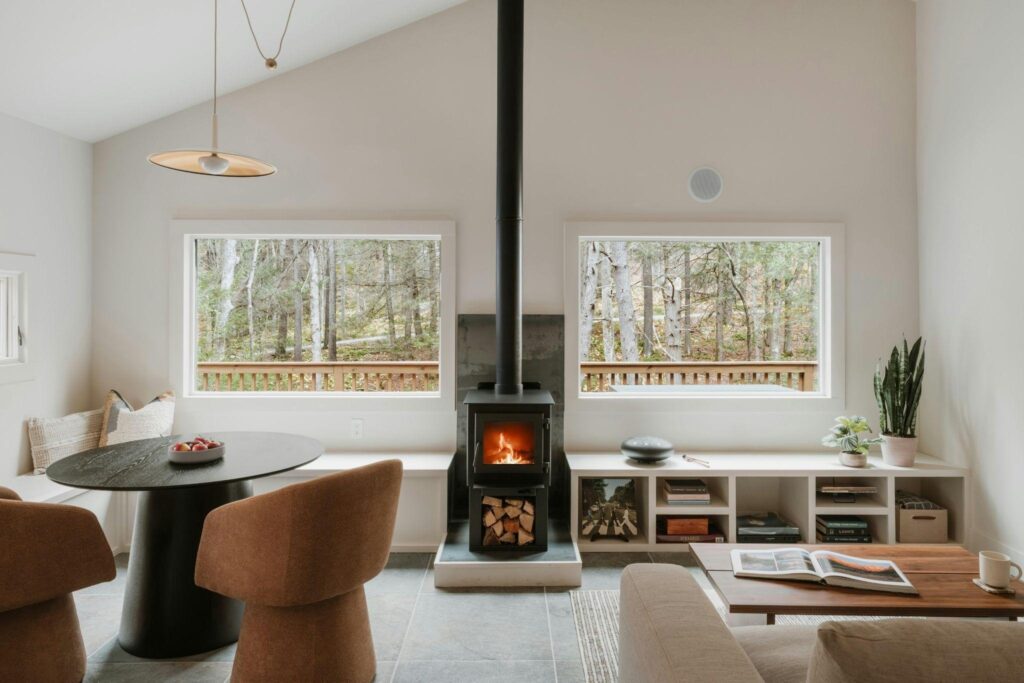
Few heating options affect the character of a room as dramatically as a fireplace or stove.
Unlike hidden heating systems, a visible fire naturally turns into the focal point of the space. Furniture is often arranged around it, conversations in a natural manner gather nearby, and the gentle movement of the flames creates a sense of relaxation that extends well beyond the warmth itself.
Homeowners comparing traditional and modern heating solutions usually consider a wood burning stove because it combines hands-on heating with timeless design. Beyond providing dependable warmth, it introduces texture, character, and visual interest that can transform an ordinary living room into one of the most inviting spaces in the home.
Many people find themselves spending more time together in rooms where the heating contributes to the overall atmosphere rather than simply regulating temperature.
That quality of emotion is one reason fireplaces have remained popular for generations despite advances in modern heating technology.
Heat Distribution Matters Every Day
Even the most effective heating system can feel disappointing if warmth isn’t distributed evenly throughout the room.
Large windows, poor insulation, blocked vents, and oversized furniture can all interfere with airflow, creating uncomfortable temperature differences between different areas of the same space.
Addressing these problems tends to provide better comfort without requiring a completely new heating system.
Simple adjustments such as :
- sealing drafts
- rearranging furniture
- improving insulation
- Or using appropriate floor coverings can noticeably change how warm a room feels.
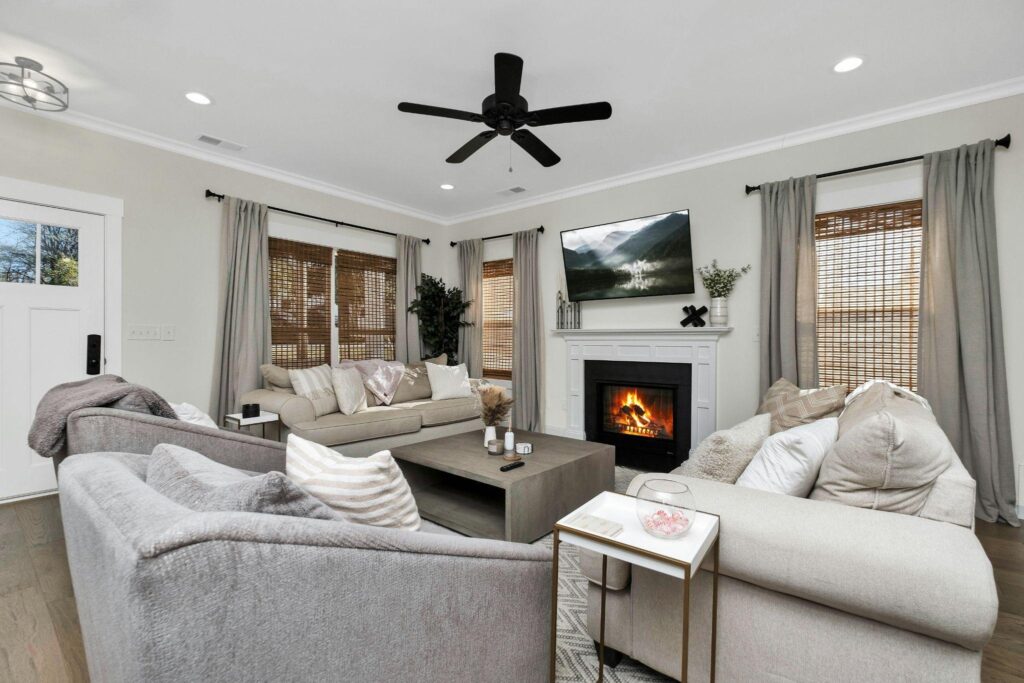
Layering soft furnishings also helps to provide comfort by helping rooms retain warmth while creating a more welcoming environment.
Small improvements throughout the room often get better results than simply increasing the thermostat.
Interior Design and Heating Should Work Together
Heating is most effective when it overall matches the design of the room.
Interior designers frequently consider heating before setting locations and seating areas because people naturally prefer gathering where they feel most comfortable.
Lighting, furniture materials, rugs, curtains, and decorative finishes all influence how warmth is perceived.
- Natural wood
- textured fabrics
- upholstered furniture
- and layered lighting create an atmosphere that feels warmer both visually and physically.
Even color choices contribute to this effect, with warmer tones often making interiors feel more inviting during colder months.
Instead of treating separate technical heating decision, thoughtful homeowners increasingly view it as part of the complete interior design plan.
When every element supports comfort, the entire room feels more balanced.
The Best Heating Choice Supports Everyday Living
Choosing a heating system’s not just about efficiency ratings or technical specifications. The best option is the one that matches the way people actually live.
Some households read a book in the evening in the living room.
Others regularly entertain guests, while many families just want a comfortable place where everyone naturally gathers after work or school. Understanding those routines helps determine which heating solution will provide the greatest long-term satisfaction.
The most memorable homes are not necessarily the warmest.
They’re the ones where every design decision helps create a relaxed, welcoming atmosphere. Thoughtful heating, practical layouts, quality materials, and comfortable furnishings all work together to create spaces where people genuinely enjoy spending time.
When homeowners choose comfortable heating with lifestyle in mind, they create more than a warm room. They create an atmosphere that promotes conversation, relaxation, and everyday moments that make a house truly feel like home.
Conclusion
Choosing the right heating is not just about warming the air; it’s about shaping the way a room feels, functions and brings people together. Good insulation, smart heat distribution and thoughtful interior design make for a space that is energy efficient and really comfortable.
By incorporating heating into your home’s overall design, you can look forward to a warmer, more inviting living space for more years to come.
FAQs
How to improve heating in a room?
Seal window gaps to prevent cold air from coming in and hot air from escaping. Thick curtains/thermal blinds can reduce heat loss by up to 15% during colder months.
Is it better to heat one room or the whole house?
If you have a modern gas or oil central heating system and a well-insulated home, you should use it to keep your whole home at a comfortable temperature rather than just one room.
How does turning on a heater in a room make the whole room warm?
Let’s dive deeper: switching on the heater initiates a chain reaction. The circuit closes, current passes through the coil, and the high resistance transforms energy into heat.
How to fix one room being hotter than the other?
To solve these issues, ensure your vents aren’t closed or blocked and clean the filters in your cooling unit.