Every year, about 250,000 homes in the U.S. suffer damage from frozen and burst water pipes. This causes billions of dollars in property losses as plumbing failures rank among the most expensive home repairs. A burst pipe, failed sump pump, or clogged drain can turn a routine storm into a costly disaster.
But most weather-related plumbing problems give signs instead of suddenly striking in your face. Small leaks, aging fixtures, poor drainage, and neglected maintenance often create weak points that severe weather simply exposes. By preparing your plumbing system before storms, heavy rain, or freezing temperatures arrive, you can protect your home from water damage, emergency repairs, and unnecessary expenses.
KEY TAKEAWAYS
- Inspect and test your sump pump before heavy rain or snowmelt to reduce the risk of basement flooding.
- Protect exposed pipes with insulation and winterize outdoor plumbing before freezing temperatures arrive.
- Keep gutters, drains, and downspouts clear, so water flows away from your home’s foundation.
- Schedule annual plumbing maintenance to catch small issues before they become costly emergencies.
Start With Your Sump Pump
If your home has a basement or crawl space, the sump pump is one of the most important systems to check before heavy rain or snowmelt. Its job is to move water away from the lowest part of your home and help prevent flooding.
A sump pump often works only when you need it most. If it fails during a storm, you can quickly have standing water, damaged flooring, ruined belongings, mold growth, and expensive cleanup. That is why it should be tested regularly, especially before rainy seasons or winter thaw.
Homeowners should make sure the pump turns on properly, the pit is clean, and the discharge line is clear. If the pump is old, noisy, slow to activate, or not removing water effectively, it may be time to consider professional sump pump repair and installation before the next major storm arrives.
Keep Basement Drainage Clear
Even with a working sump pump, basement drainage should not be ignored. Floor drains, foundation drainage, downspouts, and exterior grading all play a role in moving water away from the home.
Poor drainage doesn’t just create puddles outside. When water flows toward the foundation, the plumbing system may have to work harder during storms. Over time, this can increase the risk of leaks, backups, and basement moisture problems.
Before severe weather, check that gutters and downspouts are clean and directing water away from the foundation. Make sure basement drains are not blocked by dirt, debris, or stored items. If water tends to collect around your home after rain, it may be a sign that drainage improvements are needed.
Protect Pipes From Freezing Temperatures
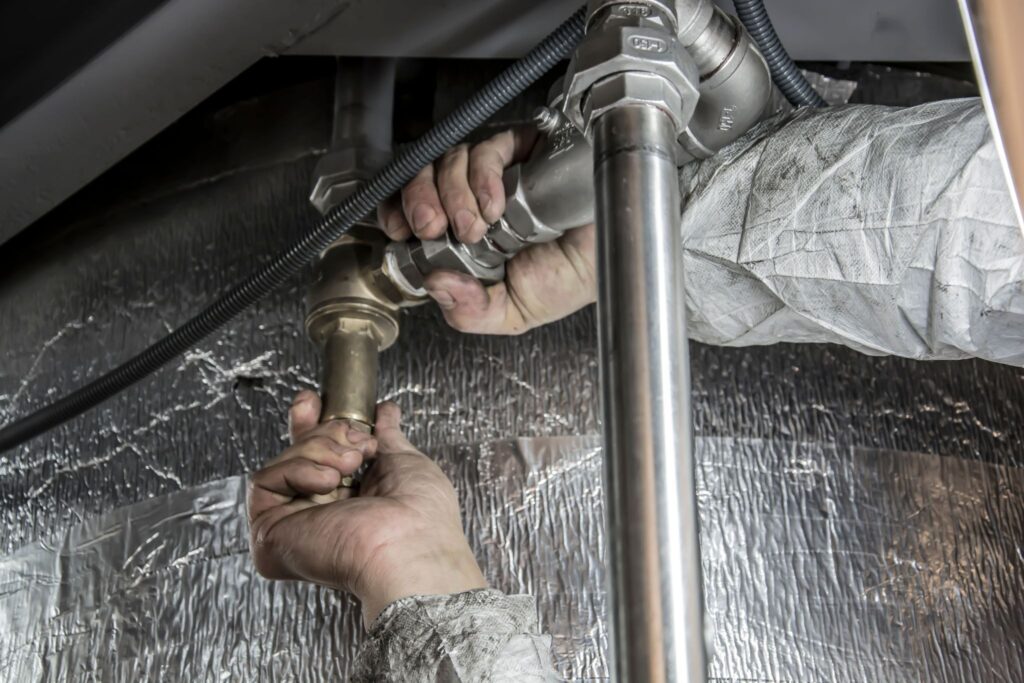
Frozen pipes are one of the most common winter plumbing problems. When water inside a pipe freezes, it expands. This pressure can cause the pipe to crack or burst, leading to water damage once the ice thaws.
Pipes in unheated areas are most at risk. This includes basements, crawl spaces, garages, attics, exterior walls, and outdoor hose connections.
Before cold weather arrives, homeowners should insulate exposed pipes, seal gaps where cold air enters, and disconnect outdoor hoses. During very cold nights, opening cabinet doors under sinks can help warm air reach plumbing near exterior walls. Letting faucets drip slightly can also help reduce pressure in vulnerable pipes.
If a pipe does freeze, it should be handled carefully. Applying too much heat too quickly can damage the pipe. If there is any cracking, leaking, or no water flow, it is better to contact a professional.
Check Outdoor Plumbing Before Storms and Winter
Outdoor plumbing is easy to forget, but it can become a problem during severe weather. Hose bibs, outdoor faucets, irrigation lines, and exterior drains are exposed to changing conditions throughout the year.
Before winter, outdoor hoses should be disconnected and stored. Exterior faucets should be shut off if the home has indoor shutoff valves. Any remaining water should be drained to reduce the risk of freezing.
Before storm season, exterior drains should be cleared of leaves, dirt, and debris. If water cannot drain properly outside, it may move toward the foundation or create pressure around basement walls.
Taking care of outdoor plumbing is a simple step that can prevent larger problems inside the home.
Know Where Your Main Water Shutoff Valve Is
When a plumbing emergency strikes, every second counts. Knowing the location of the main water shutoff valve can save your home from major water damage.
If a pipe bursts, a water heater leaks, or a fixture fails, shutting off the water quickly can limit the damage. The valve is often located in a basement, utility room, crawl space, or near where the water line enters the home.
Before severe weather, make sure the valve is easy to access and working properly. Everyone in the household should know where it is and how to use it. If the valve is stuck, corroded, or difficult to turn, it should be repaired before an emergency happens.
Inspect Your Water Heater
Harsh weather can also affect your water heater, especially during power outages, cold snaps, or flooding. If the water heater is old, leaking, rusting, or making unusual noises, it may be more vulnerable during stressful conditions. Check the area around the water heater for signs of moisture, corrosion, or dripping.
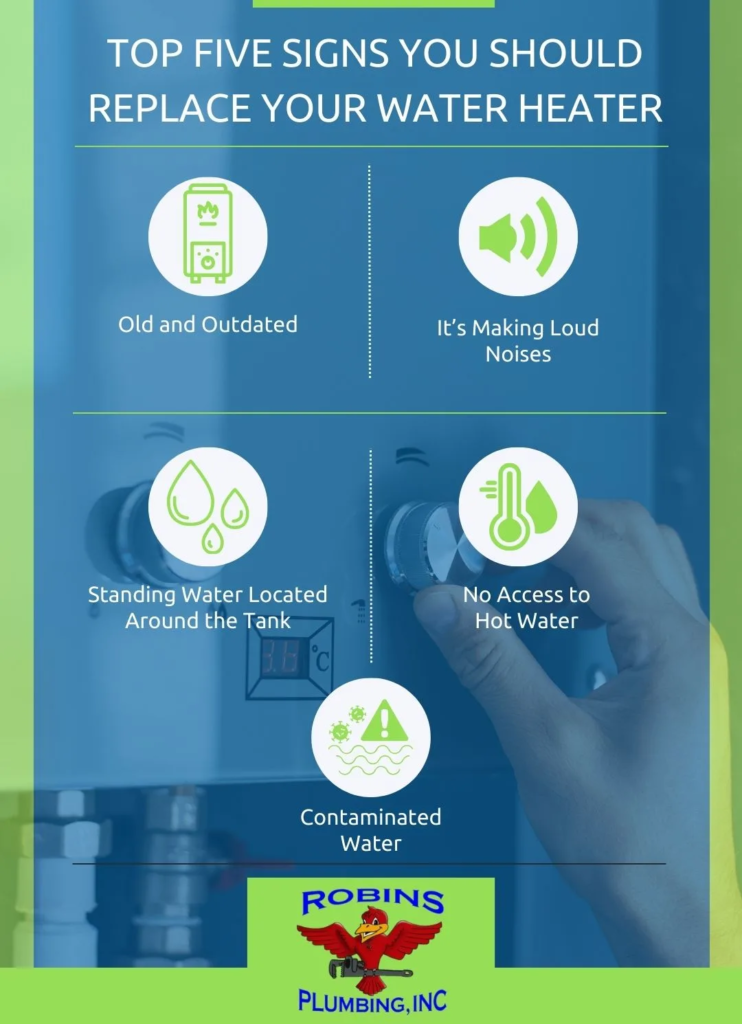
Make sure the unit has enough clearance and is not surrounded by stored items. If the water heater is located in a basement that has had water problems before, it is especially important to keep the area dry and protected.
A water heater failure can cause both comfort issues and property damage, so it should be part of any severe weather plumbing checklist.
Prevent Sewer and Drain Backups
Heavy rain can overwhelm sewer and drainage systems, especially in older neighborhoods or homes with aging plumbing. When drains or sewer lines are partially blocked, stormwater can increase pressure and make backups more likely.
Slow drains, gurgling sounds, bad odors, or water backing up into tubs, sinks, or basement drains can all be warning signs. These issues should not be ignored before harsh weather.
Regular drain maintenance can help reduce the risk of backups. Homeowners should also avoid putting grease, wipes, food scraps, and other clog-causing materials down drains. If backups happen repeatedly, the issue may be deeper in the sewer line and should be inspected professionally.
Prepare for Power Outages
Power outages can create plumbing problems, especially for homes that rely on sump pumps, well pumps, or electric water heaters. If the power goes out during a storm, a sump pump may stop working just when it is needed most.
A battery backup sump pump can help protect the home during outages. Some homeowners may also choose a generator, depending on their property and risk level.
Preparing for a power outage isn’t just about flashlights. It is also helpful to have basic emergency supplies ready, including bottled water, towels, a wet/dry vacuum, and contact information for emergency plumbing help. Being prepared can reduce stress when severe weather hits.
Look for Small Leaks Before They Become Big Problems
Small leaks can become much worse during harsh weather. A minor pipe leak, loose fitting, or weak connection may not seem urgent on a normal day, but cold weather, high water demand, or storm pressure can make the issue more serious.
Check under sinks, around toilets, near appliances, behind washing machines, and around visible pipes. Look for water stains, musty smells, soft flooring, peeling paint, or unusual increases in the water bill.
Catching leaks early can help prevent water damage and reduce the chance of an emergency repair during bad weather.
Schedule Preventive Plumbing Maintenance
The best time to prepare your plumbing system is before severe weather is in the forecast. Preventive maintenance gives homeowners a chance to spot problems early, fix them, and make sure important systems are working properly.
A professional plumber can inspect pipes, drains, sump pumps, water heaters, fixtures, shutoff valves, and other parts of the system. This is especially valuable for older homes, homes with finished basements, and properties that have experienced flooding or frozen pipes before.
Preventive maintenance may not feel urgent when everything is working, but it is often much less expensive than dealing with emergency repairs and water damage later.
Create a Year-Round Plumbing Checklist
Plumbing maintenance shouldn’t be a once-a-year task. You have to prevent plumbing trouble each season differently, as it brings different risks.
In spring, heavy rain and snowmelt can increase the risk of basement flooding. In summer, storms can overload drainage systems. In fall, leaves and debris can clog gutters and outdoor drains. In winter, freezing temperatures can threaten exposed pipes.
A year-round checklist can help homeowners stay ahead of these risks. Testing the sump pump, cleaning gutters, inspecting drains, insulating pipes, checking the water heater, and reviewing shutoff valves should become part of regular home maintenance.
Small steps taken throughout the year can make the home much more resilient during severe weather.
Final Thoughts
Harsh weather is unavoidable, but expensive plumbing emergencies often aren’t. Preparing ahead of time can help prevent basement flooding, frozen pipes, drain backups, leaks, and costly emergency repairs. Homeowners should pay special attention to sump pumps, drainage, exposed pipes, outdoor plumbing, shutoff valves, and water heaters.
Severe weather is unpredictable, but your plumbing preparation does not have to be. With regular maintenance and the right precautions, you can reduce risk and keep your home safer year-round.
FAQs
What plumbing maintenance task to do before bad weather?
Testing your sump pump is one of the most important steps, especially if your home has a basement or crawl space.
How can I prevent my pipes from freezing in winter?
Insulate exposed pipes, seal air leaks around plumbing, disconnect outdoor hoses, and let faucets drip during extremely cold weather to reduce pressure inside the pipes.
How often should I inspect my home’s plumbing system?
A basic visual inspection every few months is recommended, along with a professional plumbing inspection at least once a year, particularly before winter or storm season.