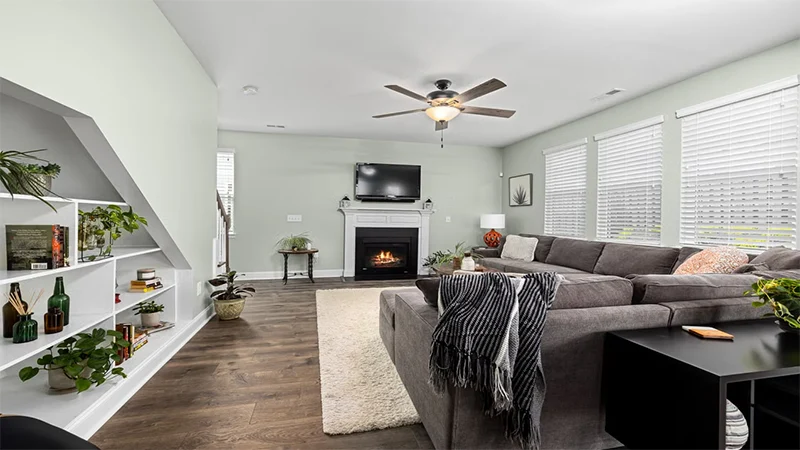
Open-concept homes were designed to bring people together. But what happens when one person is taking a work call, another is watching television, and the kids are trying to study, all within the same open space?
This problem is becoming increasingly relevant as homes take on more roles. In Singapore, 38.4% of employers still offered scheduled teleworking in 2024, far above 6.9% before the pandemic.
Suddenly, you start missing the walls that were eagerly removed.
Open-concept living hasn’t failed. It’s just that modern homes need to provide both connection and privacy, sometimes within the same room and on the same day.
So, how are homeowners solving this? Without rebuilding walls or sacrificing natural light. Let’s see.
KEY TAKEAWAYS
- Open-concept homes can struggle with privacy when one space serves work, study, entertainment, and family activities.
- Curtains, blinds, and permanent walls often compromise natural light, spaciousness, or modern aesthetics.
- Glass partitions preserve visual openness but may still require an additional privacy solution.
- Switchable smart glass film offers on-demand privacy, making it useful for spaces with changing needs.
Why Open-Concept Homes Became So Popular
Over the past decade, open-concept living has become one of the most sought-after home design trends.
By reducing walls and creating larger shared spaces, homeowners can enjoy:
- Better natural light
- Improved airflow
- A greater sense of spaciousness
- More flexible furniture layouts
- Better interaction between family members
For people living in small apartments, removing visual barriers can make a limited area feel far more open.
It’s easy to see why the concept remains popular.
However, after moving in, many homeowners discover a challenge that isn’t always obvious during the renovation stage.
The Privacy Problem Nobody Talks About
You have smart home technology to secure digital data. But the actual open spaces are only great when everyone is sharing the same activity.
The problem arises when different people need the same space for different purposes.
Common situations include:
- Taking work calls while others are watching television
- Children studying while family members are entertaining guests
- Hosting overnight visitors
- Creating separation between living and dining areas
- Using a home office without feeling completely isolated
What initially feels spacious and connected can sometimes start to feel exposed and lacking in privacy.
This doesn’t mean open-concept layouts are flawed. It simply means that openness and privacy often need to be balanced.
Why Traditional Solutions Don’t Always Work
When privacy becomes an issue, many homeowners naturally turn to familiar solutions.
Curtains
Curtains can provide privacy, but they often:
- Block natural light
- Make spaces feel smaller
- Add visual bulk to modern interiors
Blinds
Blinds offer more flexibility but can still interrupt the clean aesthetic many homeowners are trying to achieve.
Permanent Walls
Building additional walls restores privacy but often removes many of the benefits that made open-concept living attractive in the first place.
As a result, homeowners increasingly look for solutions that provide privacy without permanently closing off a space.
This is for the indoors. But plants are effective for outdoor privacy.
Why Glass Partitions Became A Popular Alternative
Glass partitions fall in the middle of open spaces and walled spaces.
They allow:
- Natural light to pass through
- Visual openness
- Physical separation between spaces
This is why glass is now commonly used in:
- Home offices
- Study rooms
- Kitchens
- Bathrooms
- Living areas
However, glass introduces a new challenge.
While it separates spaces physically, it does not always provide privacy when privacy is needed.
The Rise Of Flexible Privacy Solutions
Modern homeowners increasingly want spaces that can adapt throughout the day.
For example:
A home office may need to feel connected to the rest of the house during family time but become private during meetings.
A study room may benefit from openness most of the time but occasionally require visual separation.
This shift has led to growing interest in privacy solutions that are not permanent. One example of this is decorative window films that ensure privacy without blocking incoming light.
How Smart Glass Film Fits Into Modern Homes
Unlike traditional frosted glass, these films allow homeowners to adjust the glass transparency as needed.
When activated, the glass can switch from clear to opaque in seconds.
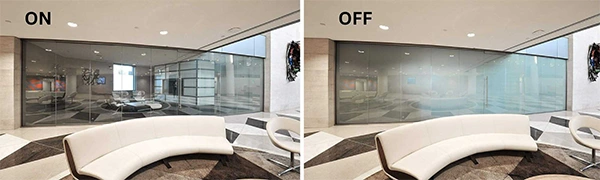
This means a space can remain:
- Bright and open when privacy isn’t required
- Private when the situation calls for it
The flexibility makes it particularly useful for:
- Home Offices: Privacy for meetings without sacrificing natural light.
- Study Rooms: Creating focused environments when needed.
- Bathrooms: Maintaining modern glass aesthetics while preserving privacy.
- Multi-Purpose Rooms: Allowing spaces to adapt as household needs change.
Why Flexibility Matters More Than Ever
Modern homes aren’t just for eating, relaxing, and sleeping. Many households now use their homes for:
- Work
- Study
- Entertainment
- Family activities
- Social gatherings
As a result, rooms are expected to perform multiple functions rather than serve a single purpose.
Solutions that offer flexibility often become more valuable than solutions designed around fixed uses.
This is one reason why they have gained attention among homeowners planning renovations or upgrading existing spaces.
Is Smart Glass Film Right For Every Home?
Not necessarily.
If a room requires privacy at all times, traditional frosted glass may still be a practical solution.
Similarly, homeowners working within tight renovation budgets may prefer more conventional options.
Smart glass film tends to make the most sense when:
- Privacy needs change throughout the day
- Natural light is important
- Open-concept design is a priority
- Flexibility is valued over permanence
The key is understanding how the space will actually be used.
Best Smart Glass Film Company In Singapore
Here’s a list of top smart glass film providers:
1. Pramie
Pramie specialises in switchable glass film solutions for residential and commercial spaces.
Pramie’s smart film can be applied to existing glass surfaces, allowing homeowners to enjoy flexible privacy without replacing entire glass panels.
Applications include:
- Home offices
- Bathrooms
- Glass partitions
- Meeting rooms
- Living spaces
Best for:
Homeowners seeking adaptable privacy solutions that complement modern interior design.
Things to consider:
Smart glass film is often most valuable in spaces where privacy requirements change throughout the day.
2. Magic Glass
Provides smart glass and switchable film solutions for both residential and commercial projects.
Best for:
Property owners seeking modern privacy technologies.
3. Shield Perfect
Offers smart film and privacy glass solutions for various applications.
Best for:
Individuals exploring smart privacy options for homes and offices.
Honest User Experience
One reason homeowners explore smart glass film is the challenge of balancing openness and privacy without compromising natural light.
A Pramie customer shared:
“Visited Pramie’s showroom by appointment and was impressed with the whole experience. The team took the time to explain how their smart window film works and demonstrated it too. The film gave my office the flexibility it needed without sacrificing any natural light. Installation was quick, and they were super attentive to all my questions. Highly recommend.”
Experiences like this reflect a growing trend among homeowners who want spaces that can adapt to different needs throughout the day rather than being permanently open or permanently closed.
Final Thoughts
Open-concept living isn’t going anywhere. They create brighter, more spacious environments and encourage a greater sense of connection throughout the home.
However, many homeowners eventually discover that complete openness is not always practical.
As homes continue to serve multiple functions, the ability to create privacy without sacrificing natural light or flexibility becomes increasingly valuable.
Whether through glass partitions, smart home technologies, or switchable smart film, many homeowners are finding ways to enjoy the benefits of open-concept living while solving one of its biggest challenges: privacy.
FAQs
What’s the biggest disadvantage of open-concept homes?
Lack of privacy is one of the biggest challenges.
How can I add privacy to an open-concept home?
Options include curtains, blinds, room dividers, glass partitions, and switchable glass film.
Is smart glass film suitable for homes?
Yes. It can be used in home offices, bathrooms, study rooms, glass partitions, and multi-purpose spaces where privacy requirements change throughout the day.