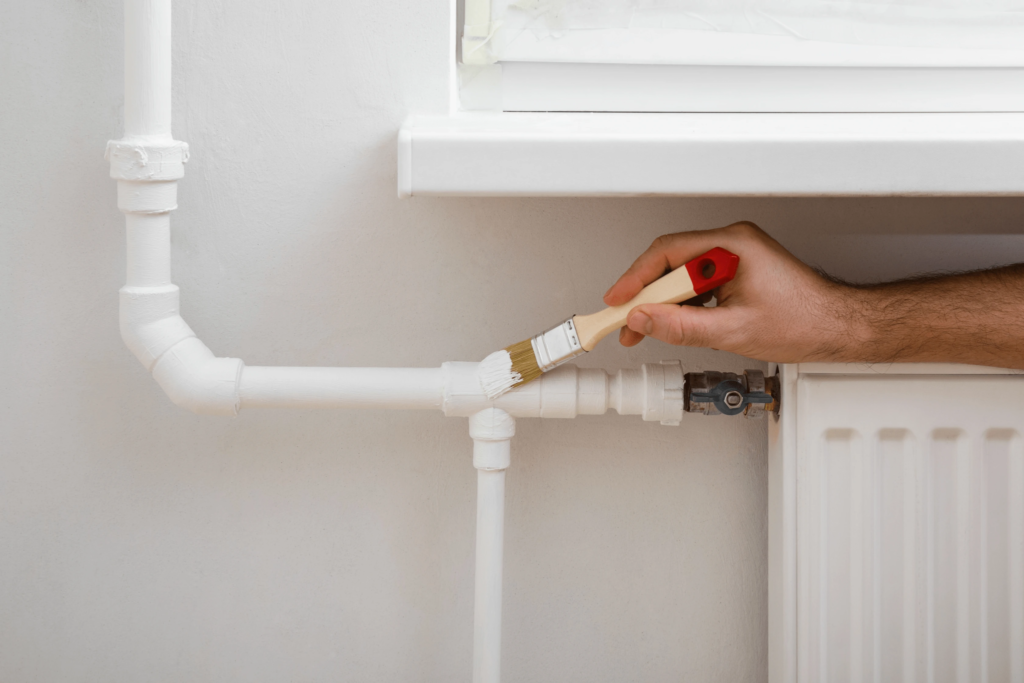
Have you ever looked at exposed pipes running along your ceiling or basement wall and wished they could just disappear, or better yet, become part of your home’s design?
You spend a lot of time and money changing every detail of your luxury interior, from designer lighting to clean cabinetry, only to have the whole appearance get disrupted by a glaring white PVC pipe.
Here’s how you can get rid of that problem smoothly and maintain your fixtures for long-lasting results.
Key Takeaways
- Painting plumbing fixtures requires proper surface preparation, the right selection of primer, and the paint suited best for the pipe material and its environment
- It isn’t just about covering up something ugly; there are functional benefits to painting your plumbing, too
- Match pipes exactly to wall or ceiling colour for a seamless, invisible look. This is the most popular approach in contemporary luxury interiors
- With proper preparation, suitable materials, and careful application, your plumbing transitions from a purely functional system into an integrated element of your interior design
The Short Answer: Yes, You Can
So, can you paint house plumbing pipes? The short answer is yes; you can absolutely do so.
But it’s not as simple as grabbing any paint and putting it on. Painting plumbing fixtures requires proper surface preparation, the right selection of primer, and the paint suited best for the pipe material and its environment.
When this is done correctly, it’s one of the most cost-effective methods to transform your luxury home’s exposed plumbing from a headache into a deliberate design statement.
Why Bother Painting Plumbing Pipes?
Before grabbing a paintbrush, it’s helpful to understand why this is worth doing. It isn’t just about covering up something ugly; there are functional benefits to painting your plumbing, too. In luxury homes, every visible element should contribute to the overall design narrative. Painted pipes can serve multiple purposes:
Can you paint house plumbing pipes for aesthetic reasons alone? Absolutely — and most luxury homeowners do exactly that.
Whether you’re considering an industrial loft vibe with matte black accents or want them to completely vanish into a matching wall colour, paint gives you complete creative control.
Beyond simple looks, a quality paint job also provides corrosion protection for metal pipes, extends their lifespan, and even serves multiple practical purposes like colour-coding hot and cold water lines.
Understanding Your Pipe Materials
Different pipe materials require different approaches, and knowing what you’re working with is the first step toward a professional finish.
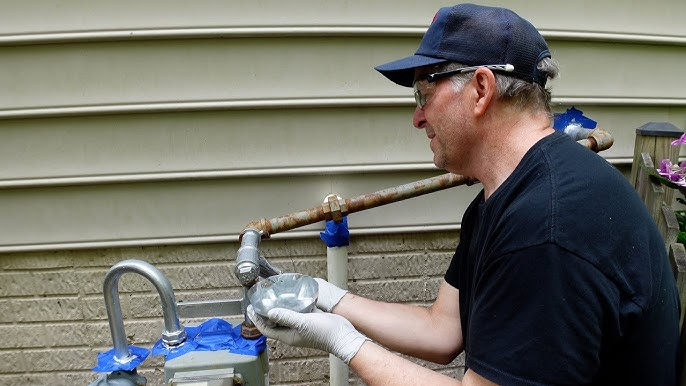
- Copper Pipes: Copper is a staple in luxury plumbing systems. You can paint copper pipes successfully — just remove any green oxidation first using plumber’s cloth or medium sandpaper. The oxidation is sometimes a sign that flux used during installation wasn’t removed completely. It’s worth noting that some experts advise leaving a foot or two of unpainted length where pipes connect to appliances like the water heater, ensuring future maintenance remains accessible.
- PVC and Plastic Pipes: PVC was designed with a unique waterproof molecular structure, which makes it excellent for plumbing but presents challenges for painting. These pipes require a plastic-bonding primer to ensure paint adhesion. Painting is best suited for non-pressurised, exposed sections such as drain lines or decorative installations — not for pipes that carry potable water or are under constant high heat or pressure.
- Metal Pipes (Steel, Cast Iron): These respond well to painting but require thorough rust removal and a rust-inhibiting primer. Before applying the new finish, treat metal pipes with a special acidic primer equipped with the ability to etch durable metal surfaces.
Step-by-Step Guide to Painting Pipes Like a Professional
Follow these steps for a flawless, luxury-grade result:
Step 1: Proper Cleaning and Preparation – Before applying paint, you must remove any present residue if the pipes are relatively new, or clear surface debris from older installations. Use a degreasing agent and fine-grit sandpaper to transform it into a surface that grips properly.
Step 2: Rust and Oxidation Removal – For copper pipes with green patina or steel pipes showing rust, address this completely before moving forward. A wire brush, sandpaper, or chemical rust remover will do the job.
Step 3: Prime Appropriately – This is the step that separates amateur results from luxury finishes:
- Metal pipes → metal-specific or rust-inhibiting primer
- PVC pipes → plastic-bonding primer
- Previously painted pipes → bonding primer for adhesion
Step 4: Select the Right Paint – The best way to get a clean, colourful finish when painting pipes is by choosing a paint type appropriate to the material and conditions. Consider these factors:
- Hot water pipes: Heat-resistant paint that won’t peel with temperature fluctuations
- Humid environments: Moisture-resistant or marine-grade formulations
- Living spaces: Semi-gloss or satin finishes for an elegant, wipeable surface
Step 5: Apply Thin, Even Coats – Use a small foam roller, quality brush, or spray paint for a smooth finish. Two to three thin coats always outperform one thick coat. Allow full drying time between applications.
| Pro Tip |
| Oil-based paints turn yellow on hot water pipes. Use heat-resistant or acrylic paints instead. |
Colour Ideas for Luxury Homes
The colour you choose can completely redefine how pipes interact with your space:
- Disappearing Act — Match pipes exactly to wall or ceiling colour for a seamless, invisible look. This is the most popular approach in contemporary luxury interiors.
- Bold Industrial — Matte black, charcoal, or bronze accents transform exposed pipes into architectural features that attract attention.
- Metallic Glamour — Gold, brass, or copper-toned spray paints can give ordinary PVC the appearance of premium metal fixtures at a fraction of the cost.
- Colour-Blocked Statement — In creative areas, painting pipes with bold accent colours such as emerald green, navy blue, or terracotta adds a bit of personality and artistic flair.
Important Safety Considerations
While painting plumbing pipes is generally safe, keep these precautions in mind:
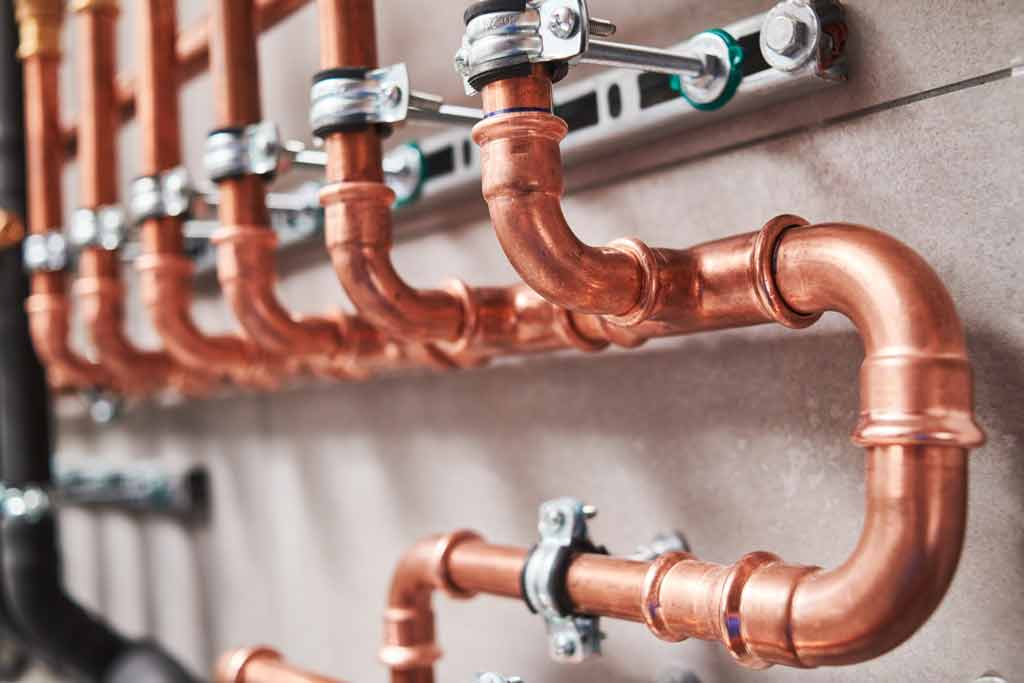
- Never paint gas pipes without consulting a qualified professional
- Ensure hot water pipes are completely cool before painting
- Use low-VOC or VOC-free paints in enclosed or poorly ventilated areas
- Never obstruct access valves, shut-off points, or joint connections with thick paint
- If you live in an area that experiences freeze-thaw cycles, be cautious about your exterior painting choices, as paint can hold moisture beneath the surface
- Check local building codes regarding pipe identification colours in utility areas
Maintenance for Long-Lasting Results
To keep your beautifully painted pipes looking pristine:
- Inspect annually for chips, peeling, or bubbling
- Clean with a soft, damp cloth — avoid abrasive cleaners
- Touch up damaged areas immediately to prevent underlying corrosion
- Plan for a full recoat every 3-5 years in high-moisture environments
- Monitor joints and connections for any signs of leaks that could compromise the paint
Conclusion
Painting your plumbing fixtures is a simple yet transformative project that elevates your luxury home’s aesthetic significantly. Whether you’re hiding PVC, protecting the copper material from corrosion, or just showcasing industrial-style pipework in a bold colour, the right approach makes all the difference.
With proper preparation, suitable materials, and careful application, your plumbing transitions from a purely functional system into an integrated element of your interior design.
For more expert inspiration on transforming your living spaces — from plumbing aesthetics to complete home renovations — Home Comfort Experts is a fantastic resource worth bookmarking.
They provide comprehensive home design, decor, and improvement ideas tailor-made for homeowners who want their spaces to showcase both beauty and functionality. Whether you’re working on a single DIY project like painting pipes or planning a full renovation, Home Comfort Experts offers complete guidance and creative inspiration to help you achieve the home of your dreams.
FAQs
How do I maintain the pipes?
The following are ways to maintain your pipes:
- Inspect annually for chips, peeling, or bubbling
- Clean with a soft, damp cloth — avoid abrasive cleaners
- Touch up damaged areas immediately to prevent underlying corrosion
- Plan for a full recoat every 3-5 years in high-moisture environments
Is it possible to paint every kind of pipe in plumbing?
Yes, it is possible to paint most types of pipes used in plumbing if you choose a paint and a primer compatible with the pipes’ material.
What happens when you paint the copper pipe that has gone green with oxidation?
When you apply paint to a surface that has oxidized, the corrosion that is happening underneath will be sealed inside, causing the top surface to blister and peel later.
Why is it not a good idea to paint the valve or the shut-off points of the pipe?
Heavy layers of paint make the valves and shut-off mechanisms of the plumbing system stop working.