“The time to repair the roof is when the sun is shining.” — John F. Kennedy (Ex-US Prez)
The quote emphasizes that most homeowners make the mistake of thinking about roofing and related repairs only when the storm strikes and the roof doesn’t look like it can survive it. But roofing doesn’t degrade overnight. It’s a cracked shingle now, then a loose flashing a month after, and nobody giving any thought to the water puddle in the corner. Nobody seems to think it’s urgent unless it becomes expensive. In regions where the climate changes frequently throughout the year, the damage is even greater, faster.
But you can avoid all this through a routine inspection. The problem is nobody bothers about it. You don’t want to hire a professional just to climb your roof and look around. But it surely can be the difference between a $500 repair and a $15,000 replacement. Let’s discuss in detail why roofing inspections make sense, what it involves, and how to go about it.
Why Small Roof Problems Turn Into Big Bills
A roof doesn’t go down in a second; common roof problems build one by one until it’s unignorable. A missing shingle exposes the underlayment, which gets soaked during the next storm, and water seeps into the decking until it starts to rot. By the time a stain shows up on your ceiling, the problem has usually been developing for months. A simple shingle swap turns into deck repair, insulation work, drywall, and possibly mold remediation.
According to NerdWallet’s roof replacement cost data, a full roofing replacement averages around $9,500 nationally, and can climb past $46,000 depending on materials and the extent of underlying damage. The biggest factor pushing homeowners toward the high end is often neglect. A roof that’s been maintained and inspected regularly rarely needs a full replacement out of nowhere. One that’s been ignored usually does.
What Actually Happens During a Roof Inspection
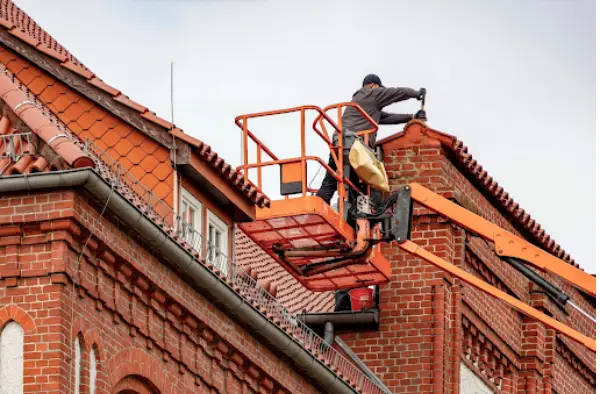
A proper inspection isn’t a glance from the driveway. It involves getting on the roofing and checking the attic from the inside. Here’s what a thorough check covers:-
● Shingles and tiles: cracking, curling, or granule loss
● Flashing around chimneys and vents, where leaks usually start
● Gutters and downspouts, checking for clogs or sagging
● Attic ventilation and insulation
● Signs of pest activity or wood rot in the decking
● Soft spots or sagging that suggest structural stress
Each item is small on its own. Together, they show how much life your roof has left and whether anything needs attention now.
Why Timing and Local Knowledge Matter
All elements damage the roofing differently. Similarly, all roofers inspect it differently. A crew used to a mild, steady climate might miss wear patterns caused by intense UV exposure followed by heavy rain, exactly the cycle homes in Southern California go through every year. This is where working with a Pasadena roofing company, Rivas Roofing, makes a real difference — local crews here know which materials hold up in this exact climate and which fail early, and their hands-on, detail-focused inspection work catches the small things a rushed visit would miss.
Timing matters too. Spring and fall are ideal windows for inspections, since they come right before the seasons that stress a roof most: scorching summer heat and winter rain. Catching a problem in October means it gets fixed before the rainy season tests every weak point.
The Real Cost Comparison: Inspection vs. Neglect
It helps to look at plain numbers. A standard roofing inspection typically costs between $150 and $400. Compare that to the problems it can catch early:
● A few replaced shingles: usually under $500
● Resealing flashing: a few hundred dollars
● Repairing rotted decking: often $500 to $1,500
● A full replacement after prolonged water damage: $9,500 on average, and more with structural repairs
The pattern is consistent. Every stage a problem is allowed to progress adds a zero to the eventual bill.
INTERESTING INSIGHT
According to the NRCA, proactive roof maintenance can reduce repair costs by up to 50%.
Beyond Repairs: Other Ways Inspections Save Money
You save on repair costs with the inspection, but there are many other benefits as well. Insurers are far more likely to approve a storm damage claim when there’s a documented inspection history showing the roofing was in good shape beforehand. Without that paper trail, they sometimes argue the damage was pre-existing. A recent report also helps at resale, since a clean inspection can prevent last-minute price drops during escrow.
Energy bills tell a similar story. Damaged ventilation or compromised insulation lets conditioned air escape, so your HVAC works harder than it should. That’s a slow, invisible cost showing up every month, and it’s one of the easiest things an inspector catches.
How Often Should You Actually Get One Done?
Once a year is the general rule, with an extra check after any major storm or hail event. Older roofs, nearing the end of their expected lifespan, benefit from more frequent checks since problems tend to accelerate once materials start breaking down. If your roof is under 10 years old with no history of leaks, an annual walkthrough is usually enough.
Homeowners around Pasadena often schedule inspections in early fall, right before the rainy season, leaving time to handle repairs while weather still cooperates. Waiting until the first storm hits to find out something’s wrong almost always costs more.
The Bottom Line
Roofs literally degrade brick-by-brick instead of going down suddenly. One small issue after another until those issues combine into something expensive. A professional inspection interrupts that pattern early, when fixes are still small and affordable. It costs a few hundred dollars, takes an hour or two, and can realistically save thousands down the line.
If it’s been more than a year since anyone looked at your roof, that’s reason enough to get it checked before the next storm does it for you.
When to consider replacing or repairing a residential roof?
It depends on the roofing age, damage, and the costs associated with both.
What are the most important items to check when inspecting your roof?
Look for algae, moss, or piles of leaves, and buckled or curled shingles. Check for damaged, missing, or old shingles. Investigate your attic as well.
What are the benefits of regular roof maintenance?
It prevents water damage and prolongs the life of the roof.