Your roof does a lot of heavy lifting, protecting your home from rain, wind, snow, and heat every day. But because it’s out of sight, homeowners tend to ignore it. Most people don’t think about their roof until something dramatic happens, like water dripping from the ceiling or parts scattered across the yard after a violent storm.
In many cities, where weather conditions change pretty quickly, roofs face even more stress throughout the year. Many problems start small, but left alone, these things end up becoming major expenses.
Here are the common roof problems that homeowners overlook and what you should do about them before they get worse.
Key Takeaways
- A missing shingle may seem insignificant at first, but that bare spot is seemingly exposed to the elements
- After particularly harsh winters, homeowners often start noticing small but persistent issues like minor leaks, loose shingles, or ice-related staining along roof edges’
- Moss retains water against your shingles, gradually breaking down the material. Algae, on the other hand, while not as damaging structurally, discolors your roof
- If the roofline looks as its dipping, that’s a huge concern. Sagging or dipping means your roof decking or proper structural support right underneath may have been compromised
1. Missing or Damaged Shingles
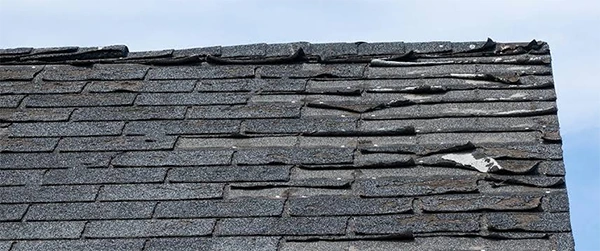
After a heavy storm, it’s best to walk around your home and look up. A missing shingle may seem insignificant at first, but that bare spot is seemingly exposed to the elements. Water can seep underneath and cause wood rot, mold, and eventually leaks inside the home.
Cracked or curling shingles also serve as a warning sign. They are no longer able to perform their job of directing water away from the foundations.
If you do notice any granules collecting in your gutters, that is another red flag that your shingles are wearing down a lot faster than they should.
2. Clogged or Sagging Gutters
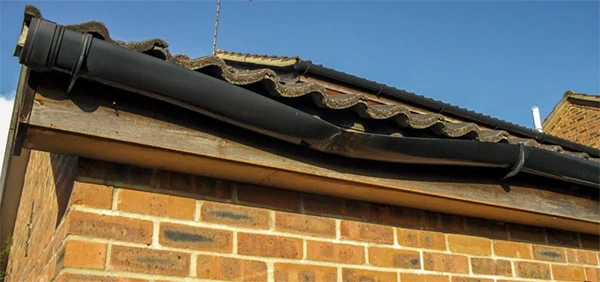
Gutters might not be part of your roof, but they are closely connected to your roof’s health. When gutters get clogged with leaves, debris, or dirt, water backs up and pools along the edge of your roof. Over time, that standing water can damage your fascia boards, seep under shingles, and even affect your foundation.
If any part of your roofline appears like it is dipping or sagging, that is a thing of major concern. Sagging usually indicates that your roof decking or the structural supports underneath have been compromised, usually by long-term water damage or rot.
After particularly harsh winters, homeowners often start noticing small but persistent issues like minor leaks, loose shingles, or ice-related staining along roof edges.
3. Flashing Failures Around Chimneys and Vents
Flashing is the metal material installed around the area where your roof intersects a vertical surface, like a chimney, skylight, or vent pipe. This creates a watertight seal, keeping moisture from getting in at those vulnerable locations.
Unfortunately, flashing is one of the most commonly overlooked parts of a roof. Over time, it can crack, separate, or corrode. When it does, water finds its way in through those gaps. You might not notice until you see a stain on your ceiling or smell mold in your attic.
In older neighbourhoods where roofs have gone through many weather cycles, small maintenance issues often get discussed among homeowners, and in such situations the roofer Chicago IL naturally appears in conversations related to repair history and seasonal roof wear patterns.
Pro Tip
Experts recommend giving your roof a quick visual inspection every six months and after major storms, paying special attention to cracked caulk, rusted metal, or missing shingles.
4. Poor Attic Ventilation
This one surprises a lot of homeowners. Your attic plays a significant role in the longevity of your roof. When your attic is not properly ventilated, heat and moisture tend to build up inside.
The trapped heat can lead to the shingles being baked from the inside, causing them to age more quickly. The excess moisture can also progress and lead to mold, rot, and damage to your roof decking.
In cold climates, poor ventilation also contributes to ice dams, which form when heat escapes through the roof and melts snow unevenly. The melted snow refreezes at the eaves, creating a dam that traps water and forces it under your shingles.
5. Moss and Algae Growth
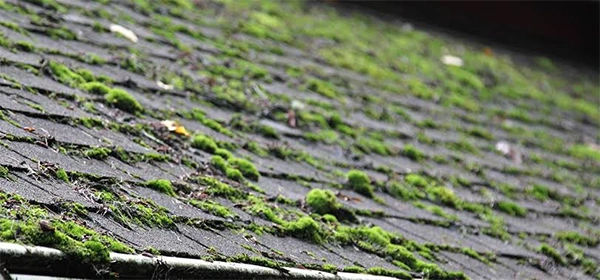
That green or black streaky growth on the roof might appear like a cosmetic issue, but it’s actually an indication of underlying moisture issues.
Moss retains water against your shingles, gradually breaking down the material. Algae, on the other hand, while not as damaging structurally, discolors your roof and signals that conditions are perfect for greater growth.
According to the National Roofing Contractors Association, routine roof maintenance and early intervention can extend a roof’s lifespan by up to 50 percent, making regular inspections one of the most cost-effective habits a homeowner can build.
6. Soft Spots and Sagging Areas
If the roofline looks as its dipping, that’s a huge concern. Sagging or dipping means your roof decking or proper structural support right underneath may have been compromised, often caused by rot or extended water damage.
Lakeland Exteriors & Roofing recommends scheduling a professional inspection at least once a year, ideally before and after winter. Treating your roof like any other major home system, with regular check-ups included, is the simplest way to avoid emergency repairs.
Sagging is a sign they are holding too much weight, which means water is likely not draining properly. This is an easy fix if caught early but can become structural if ignored.
Final Thoughts
Roof problems rarely make themselves known. They tend to creep in quietly but slowly make their way and cause major disruptions for everyone involved.
The good news is that most roof problems are very manageable when caught early. A quick inspection, a small repair, a bit of routine maintenance. That is all it takes to keep your roof in good shape for years to come.
Do not wait until a small problem becomes an expensive emergency. Get a professional set of eyes on your roof before the next storm rolls through.
FAQs
What are the consequences of trapped heat inside the shingles?
The trapped heat can lead to the shingles being baked from the inside, causing them to age more quickly. The excess moisture can also progress and lead to mold, rot, and damage to your roof decking.
What does roof sagging indicate?
Sagging is a sign that the roof is holding too much weight, which means water is likely not draining properly. This is an easy fix if caught early but can become structural if ignored.
What is the impact of algae on the roof?
Algae, while not as damaging structurally, discolors your roof and signals that conditions are perfect for greater growth. This can massively degrade the exterior look of the house as a whole.
What do cracked shingles indicate?
Cracked or curling shingles serve as a warning sign. They are no longer able to perform their job of directing water away from the foundations, causing water to seep underneath and cause wood rot, mold, and eventually leaks inside the home.