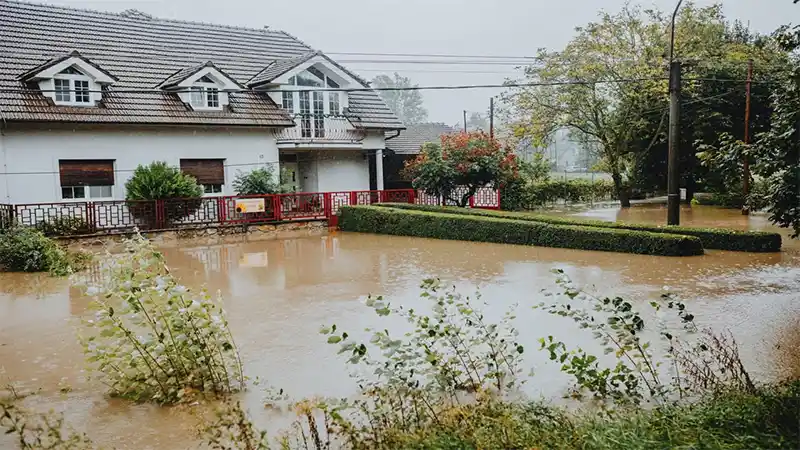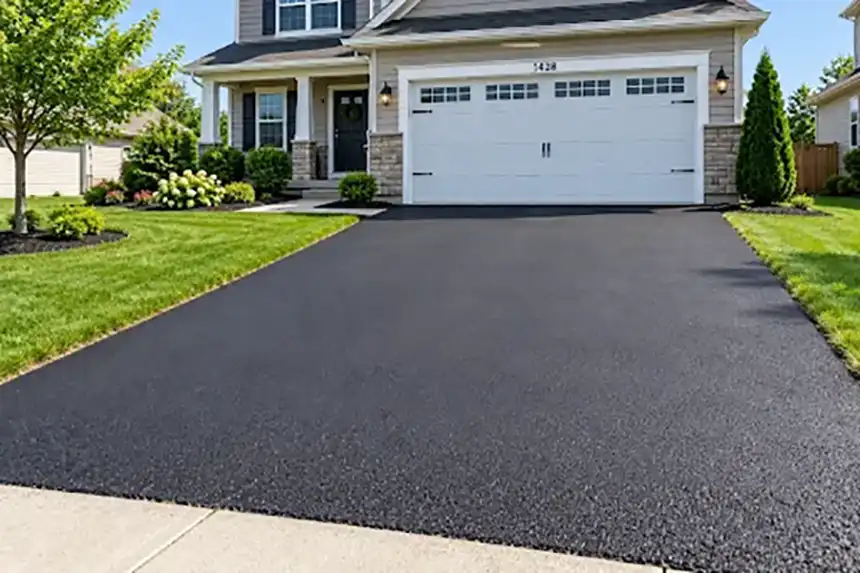
Most of the things that increase your home’s curb appeal are fine, such as windows, roof, and garden.
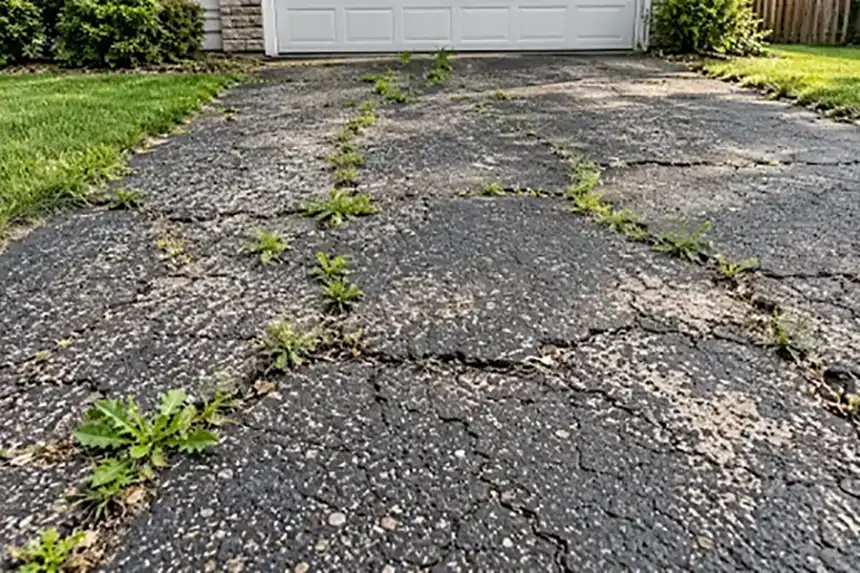
But your cracked asphalt driveway never fails to grab the attention of everyone who crosses in front of your home.
That’s the most awkward thing about driveways. They cover a large surface outside your home, and most people put off spending money to repair them.
But does repairing actually make the property’s price higher, or just improve the visual appeal?
Know what the resale data says and what it does not, and when you should consider a fresh driveway.
Key Takeaways
- Driveway replacement isn’t tracked in standard cost-recovery research, so no reliable ROI percentage exists for it.
- The two highest-returning remodeling projects exist at the front of your house.
- A driveway sloped toward the house is a foundation problem.
- Base preparation determines lifespan far more than the surface material does.
What Anyone Sees Before They See the House
Most people think that curb appeal is all about planting and painting. But in reality, a distorted driveway never lets people notice the good features of your home.
The moment buyers park and walk up to the house, they have already felt and interacted with the curb, which leaves a negative impression before even entering the home.
A smooth, professionally paved surface reads as a house that’s been kept up. A patched, weed-split one raises a question: what else got deferred?
This is the real cost: when buyers see a negative, their eyes and minds keep searching for the negatives only.
Where the Value Data Actually Points
Driveways do not appear in the standard resale return figures.
The National Association of Realtors publishes cost-recovery numbers drawn from the annual Cost vs. Value research, and driveway replacement isn’t among the projects tracked.
But the tracks still tell you something. The two highest-returning projects on that list are garage door replacement at 194% and steel entry door replacement at 188%. Both sit at the front of the house, nd are part of the arrival sequence, just like the driveway.
Kitchens and bathrooms are the safe bets that recover 96% and 74%.
Nobody can hand you a percentage for a new driveway. But the pattern in the data is consistent and hard to ignore.
Remember, the cheapest projects at the front of the house outperform the expensive ones inside it.
What a Failing Driveway Costs You Elsewhere
A driveway that has settled toward the house is a drainage problem.
Water that should run to the street runs at your foundation in every rainy season.
Cracks in a foundation wall are far more expensive to deal with than the surface that sent water there. Grading is the cheap end of that problem.
Check before deciding anything: stand at the top of the drive after heavy rain and watch where the water actually goes.
If it pools against the garage or the house, you have a reason to act that has nothing to do with curb appeal.
Climate Decides More Than Taste Does
Material choice is more than just an aesthetic decision.
But freeze-thaw cycling destroys driveways. Water gets into the surface, freezes, expands, and does it again many times during the winter season. Adding plow blades and de-icing salt just increases the damage.
In cold regions, the design of these driveways becomes even more important, because the base and the drainage matter more than the finish sitting on top of them.
Gravel forgives movement and costs less. Permeable pavers handle water best, but these are available at a higher price.
Asphalt flexes with temperature swings but degrades under salt. Concrete lasts if it’s sealed and reinforced, and cracks if it isn’t.
Everything has its pros and cons; select what is best for you according to your preference and location.
Getting the Job Done Properly
A surface laid over inadequate base depth will fail regardless of what it’s made of, and it’ll usually fail within a few winters. That work is invisible once it’s done, which is why cheap quotes cut corners.
So when you’re comparing bids, ask what’s happening below grade.
Base depth, compaction, and where the water is being directed matter more than the thickness of the top layer.
Established Paving Companies in Ontario and similar cold-climate regions quote base preparation as a line item. Avoid contractors who never discuss anything.
Experts suggest getting at least three quotes. Ask each one what they’d do about drainage.
Is It Worth It?
If you’re selling within a year and the driveway is visibly failing, this is definitely worth it.
It’s the cost of the first impression that can change everything after it that attracts buyers.
If the driveway is tired rather than broken, sealing and crack-filling will let it work for years in less price.
And if water is running toward your house, fix it regardless of whether you’re selling. That one isn’t about curb appeal at all.
FAQs
How long should a driveway last?
Asphalt typically needs replacing sooner than concrete, though both depend heavily on the base beneath them and the climate they sit in.
Is sealing worth doing?
Yes, on asphalt. It slows oxidation and keeps water out of small cracks before freeze-thaw widens them into real damage.
Does a new driveway add to the appraised value?
Not directly in most cases. Its effect shows up in how quickly a home sells and in the impression buyers form before they walk inside.
What’s the biggest mistake homeowners make?
Choosing on price without asking about base preparation. The surface is what you see; the base is what determines whether it lasts.
National Association of Realtors — Remodeling, citing the Cost vs. Value Report (Journal of Light Construction, 2025)