Getting the right amount of sunlight can make a noticeable difference in how your plants grow. But when shades or blinds cover the window, it can be difficult to tell whether enough natural light is reaching the leaves or not.
There are some kinds of window coverings that soften bright sunlight. In other cases, there are those that block sunlight quite a lot when the blinds are completely closed.
By understanding how window blinds affect indoor lighting, it is possible to improve conditions for plant growth in your home without losing privacy or comfort.
How Shades and Blinds Affect Plant Light
Light-filtering shades allow daylight to pass through their fabric while spreading it more evenly across the room. This can help soften intense sunlight and reduce glare, which may be useful for plants that prefer bright, indirect light. The fabric still decreases the amount of light reaching the leaves, however, so a plant placed farther from the window may receive much less light than one on the sill. The shade’s color, thickness, and fabric construction can also influence how much daylight comes through.
Solar shades are designed to reduce glare and filter sunlight while preserving some view through the window. Their openness determines how much light and visibility pass through the fabric: more open fabrics typically allow more light and a clearer view, while less open fabrics provide greater glare reduction and solitude. The best alternative depends on the room’s sun exposure and how much light you want to maintain.
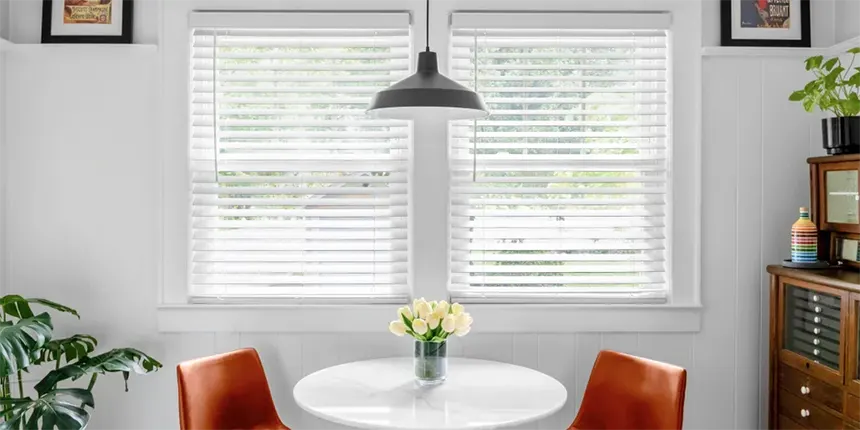
Window Blinds give you control over the direction of incoming daylight. You can tilt the slats to let light reach the room while reducing direct sun on leaves, or open them more fully when plants need brighter conditions. As the sun moves, adjusting the slats can help maintain a comfortable balance of light and privacy. Fully locked slats reduce the light reaching plants, so consider opening them during the day when privacy allows.
Room-darkening and blackout shades block more light than light-filtering styles. They can be helpful when a room needs to be dark for sleeping, but plants behind them will receive little daylight while they are closed. If you use these shades, raise them during daylight hours or move plants to a brighter spot. Even a few hours of daylight can make a difference, although a plant with high light requirements may require a sunnier location or supplemental lighting.
How Much Light Does Your Plant Need?
Different plants need various amounts of light. Some grow well in bright, indirect light, while others need several hours of direct sun. A plant’s label or care guide can give you a starting point, but conditions in your home may differ from those described. The direction of the window, nearby buildings or trees, the season, and the plant’s distance from the glass all affect the light it receives.
Window direction can offer a helpful clue. South-facing windows usually receive strong light for much of the day, while north-facing windows often receive less direct sun. East-facing windows tend to get gentler morning light, and west-facing windows can obtain stronger afternoon sun. These are general patterns: trees, overhangs, neighboring buildings, and the time of year can change the light in any room.
Distance from the window matters, too. Light levels can drop quickly as a plant is moved farther into a room, even if the space still looks bright to you. If a plant is several feet from the window and behind a shade, it may receive substantially less daylight than expected. Try moving it closer to the window and observe whether its growth improves, while watching for signs that direct sun is too intense.
Signs Your Plant May Need More or Less Light
Slow, weak, or stretched growth can be a sign that a plant is reaching for more light. You may notice longer spaces between leaves, smaller new leaves, or stems leaning toward the window. If you see these differences, try moving the plant closer to a brighter window or opening the shade for more of the day. Make changes gradually, especially if the plant has been in a dim place for a long time.
Faded, scorched, or crispy leaves may indicate that a plant is receiving too much direct sun, especially if the injury appears on the side facing the window. A sheer or light-filtering covering, or partially tilted blind slats, may soften the light. Leaf damage can also result from watering problems, low humidity, or temperature changes, so consider the plant’s overall care before assuming sunlight is the only cause.
Ways To Help Plants Get Enough Daylight
- Raise shades or open blinds during the day, specifically in darker seasons.
- Tilt blind slats to bring daylight into the room while reducing intense direct sun on sensitive leaves.
- Move plants closer to a window if they appear to stretch toward the light.
- Rotate pots occasionally so that different sides of the plant receive light.
- Group plants with similar light requirements together, so you can adjust the window covering for them more easily.
- Consider a grow light if natural daylight is limited and your plants need more light than the room provides.
When moving a plant to a brighter location, do it gradually. A sudden transition from low light to strong direct sun can stress some plants or harm their leaves. Start by opening the shade for part of the day or placing the plant slightly closer to the window, then adjust based on how it responds over the next few weeks.
You can balance privacy, sun control, and plant care by choosing window coverings that suit both the room and the plants nearby. Keep in mind that a covering changes the amount and quality of light; it does not tell you by itself whether a plant is getting enough. Modify the shades or blinds throughout the day, pay attention to the plant’s growth, and change its position when required.
FAQs
Do plants get sufficient sunlight through shades or blinds?
Yes, there are certain plants that get sufficient sunlight through light-filtering shades or blinds. This would depend upon the covering, positioning of the window, distance from the glass, and requirements of the plant.
Do blackout blinds let in too little light for plants?
Blackout blinds can block out most sunlight when they are closed. If you have your plants near them and they are mostly closed throughout the day, open the blinds during the day or move the plants somewhere else.
How do blinds impact the sunlight received by the plants?
You can change the angle of the slats to enable sunlight to come in but reduce the intense heat and bright light coming in.
Could the sunlight hurt my indoor plant leaves?
Yes, as excessive sunlight will cause discoloration and even browning and crisping of the leaves, especially in the case of plants that prefer indirect sunlight. A sheer curtain or partial opening of the blinds would help.