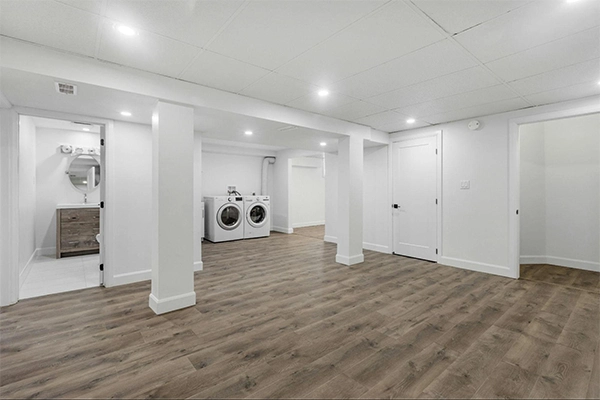
Keeping basements dry is an important part of maintaining hygiene at home. Whether utilizing the area as storage space, car parking, or simply your second office, the essence of keeping it dry stays intact.
Wet areas no matter how small the proportion be, can cause health hazards taking a dangerous turn. This is why it becomes important to identify the causes of this dampness.
Read further to know more!
Understand Moisture Sources
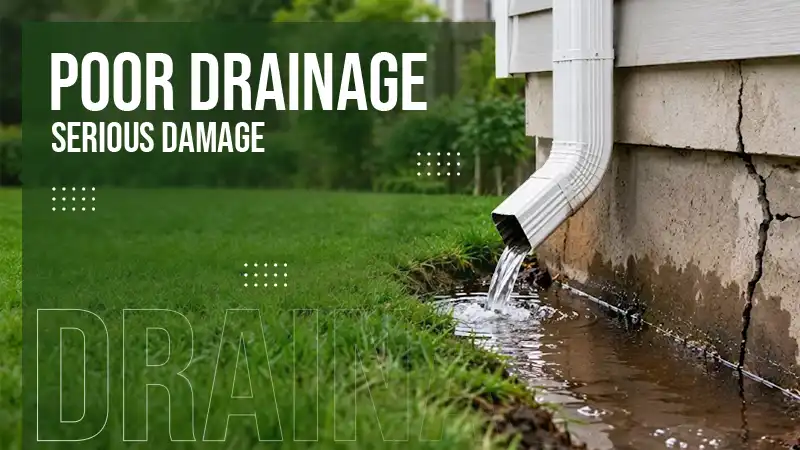
Heavy rainfall, poor grading around the home’s foundation, clogged gutters, and cracks in basement walls are among the most common sources of water buildup in the basement. Additionally, condensation can form when humid air touches cooler basement walls and floors.
Performing regular inspections of your basement can make it easier to spot problems before they require expensive repairs. Pay attention to stains, peeling paint, musty smells, or visible cracks on the walls, floors, or corners.
Addressing these warning signs as soon as you find them can help stop moisture from spreading and creating further problems.
Improve Drainage Around Your Home
The best protection against basement water damage is good drainage around your home. Ensure your gutters and downspouts are free from leaves and blockages so that rainwater drains away from your home’s foundation. Downspouts should be positioned a few feet away from your house, and any land or gardens around the foundation should slope slightly away from the house.
If moisture problems continue despite these efforts, consulting a reputable basement waterproofing company can help identify the underlying cause.
Experienced professionals can suggest solutions such as foundation crack repairs, drainage systems, sump pumps, or interior and exterior waterproofing methods that are tailored to your home’s specific needs.
Control Indoor Humidity
Not all basement moisture comes from outdoors. Excess indoor humidity can make your basement humid, especially when the temperature is higher. Using a dehumidifier can help keep humidity levels in your basement under control and reduce any chances for mold growth. Proper ventilation of areas where humidity is high, such as laundry rooms or finished basements, also enhances air circulation and helps prevent condensation.
Avoid storing damp items in your basement, and be sure to fix any leaky pipes as quickly as possible. Even minor leaks can lead to gradually increasing humidity in the basement, creating a favorable environment for mold and mildew.
Maintain Your Basement
Consistent upkeep goes a long way in preserving your basement. If you have a sump pump, make sure you inspect on it routinely, especially before the rainy season begins, to ensure it’s working correctly.
Small foundation cracks should be repaired as soon as you notice them. Continue to observe these sealed cracks over time. Keeping stored items on shelving units or pallets can help minimize the likelihood of water damage if unexpected moisture occurs. Organizing your basement will also improve air circulation, which can make necessary inspections easier to perform.
Endnote
A dry basement offers lasting peace of mind for homeowners while also preserving your home’s value and structural integrity. Making basement maintenance part of your routine is a worthwhile investment that ensures a cleaner, healthier, and more functional space for years to come.
FAQs
What is a dry basement system?
At Dry Basement®, we use advanced technology to fix your foundation and ensure your safety.
What is a good size basement?
The typical size of a basement is 1,001 square feet (93 square meters) or 105 feet (32 meters) in length and 10 feet (2.9 meters) in width.
What is a B dry basement system?
The B-Dry® Basement Waterproofing System offers a Lifetime Warranty* and has systems to protect your wet basement from problems caused by a high water table, heavy wet soil, water under pressure coming up through cracks and seams in your floor, and seepage through foundation walls.
How long can water sit in your basement?
Sewage, chemical waste, and any water sitting for over 72 hours are all considered black water situations.