Starting a vegetable garden for beginners is easier than most people think. The right location, abundant sunlight, consistent watering, healthy soil, mulching, and regular maintenance are the key aspects for having a rewarding garden experience. Whether you choose container gardening, raised-bed gardening, in-ground gardening, or vertical vegetable gardening, success comes from proper planning.
In this guide, you will learn about 4 types of vegetable gardens, beginner-friendly vegetables with success rates, essential care tips after planting, and common mistakes you need to avoid as a beginner.
Quick Answer
A vegetable garden for beginners starts with a sunny location, healthy soil, and easy-to-grow crops. Choose containers, raised beds, in-ground, or vertical gardens based on your space. Consistent watering, proper spacing, pest control, and timely harvesting help you grow healthy vegetables successfully.
What is a Vegetable Garden?
A vegetable garden is a space where edible plants are grown and cultivated. Unlike a decorative flower garden, a vegetable garden is used for fresh homegrown produce. As a beginner, you need to choose a sunny location with well-draining soil, grow easy vegetables like lettuce, zucchini, peppers, or beans, water them consistently, fertilize when needed, and harvest crops as soon as they mature for the best yield and flavor.
4 Types of Vegetable Gardens for Beginners
Container Gardens, Raised Bed Gardens, In-Ground Gardens, and Vertical Gardens are the four main types of Vegetable Gardens. Understanding how to plan, plant, and harvest each type will help you create a productive vegetable garden for beginners.
1. Container Vegetable Garden
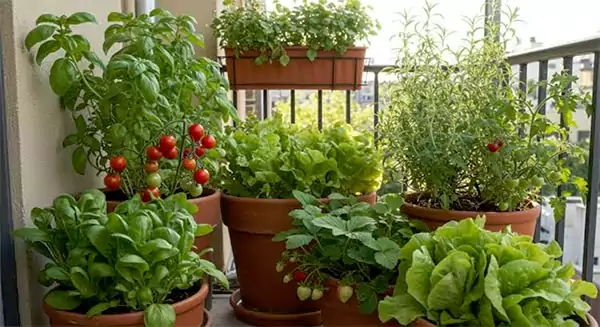
A container vegetable garden is perfect for beginners who have limited outdoor space, such as a balcony, patio, or a small backyard. You can have control over the soil, watering, and plant placement, making it one of the easiest ways to start growing vegetables.
Planning
Choose containers with drainage holes and place them in an area that receives at least 6-8 hours of direct sunlight every day. Most vegetables need soil that is at least 12 inches deep to grow. Make sure you select a pot that can easily handle the mature size of the vegetable you plan to grow.
Fill the pots with high-quality potting mix with compost. Do not use regular garden soil, as it can become compacted and restrict root growth. I prefer to group containers with similar water needs together for easy maintenance. Water deeply but not too frequently to avoid making the soil soggy.
Planting
It is better to grow bushy or small varieties of vegetables for container gardening. Some popular veggies that are perfect for this type are peas, tomatoes, potatoes, carrots, and leafy greens. Just like me, if you are interested in growing lettuce indoors, placing the pots near a bright window is an excellent option.
- Select the right container, depending on the variety you wish to grow.
- Choose proper soil and avoid using standard garden soil.
- Sow 2-3 seeds or seedlings per pot for proper germination.
- Containers tend to dry out much faster; therefore, deep watering is needed.
- Frequent watering can deprive the plant of essential nutrients. Use a nutrient-rich water-soluble fertilizer.
- Add a thin layer of mulch around the base of the plant to retain soil moisture and provide a stake or trellis for support when needed.
Harvesting
Harvest leafy greens by picking the outer leaves while leaving the center of the vegetable intact for continuous growth. Pick peppers with about 1 inch of the stem attached so that they do not lose their freshness, and harvest herbs frequently to encourage fresh growth throughout the season. Do not harvest during the rainy season, as it can increase the risk of fungal infections.
2. Raised Beds Vegetable Garden
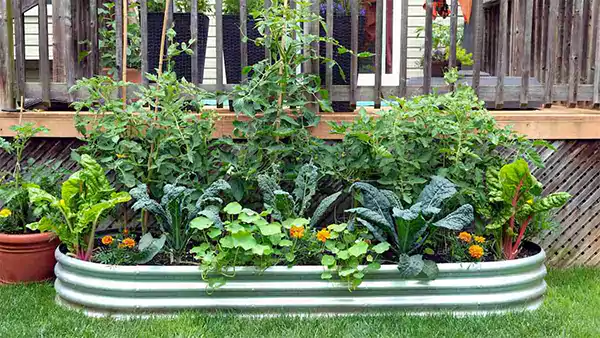
Raised beds are one of the best choices for a vegetable garden for beginners because they improve soil drainage, reduce weeds, and provide complete control over soil quality. The frame of the bed can be designed in a way to protect the plants from freezing during the frost season. I usually use poultry wire at the base to avoid burrowing rodents like moles.
Planning
Before building a raised bed, consider the vegetables you wish to grow and their growing needs. If the crops require bright sunlight, build your bed in a sunny location; otherwise, in an area where it can receive filtered light. Prepare a good vegetable garden soil mixture using ⅓ loose soil, ⅓ compost, and ⅓ peat moss.
Make sure that the beds are about 3-4 feet wide so that you can reach the center without stepping on the soil. Arrange taller crops at the back or north side to prevent shading smaller vegetables.
Planting
Some of the best “vegetables for raised beds” include lettuce, carrots, onions, peppers, tomatoes, beans, and zucchini. Make sure you follow the proper spacing methods and do not overcrowd the garden bed. This improves airflow and reduces disease problems. For a productive summer crop, learning “how to grow zucchini” in raised beds can help you.
- Prepare a raised garden bed at least 12-18 inches deep with fertile, well-draining soil.
- Plant zucchini in a spot that receives 6-8 hours of direct sunlight daily.
- Space the plants 12-36 inches apart to allow good airflow and a healthy growth rate.
- Water deeply 1-2 times a week, keeping the soil consistently moist.
- Add compost and a balanced water-soluble fertilizer to the soil before planting the seedlings or sowing the seeds.
- Mulch around the base of the plant to retain soil moisture and suppress weeds.
Harvesting
Pick vegetables as soon as they reach the recommended size to maintain their freshness and quality. Most zucchinis start fruiting after 60 days of planting. Removing mature crops allows other younger plants to flourish, giving them space to grow properly.
3. In-Ground Vegetable Garden
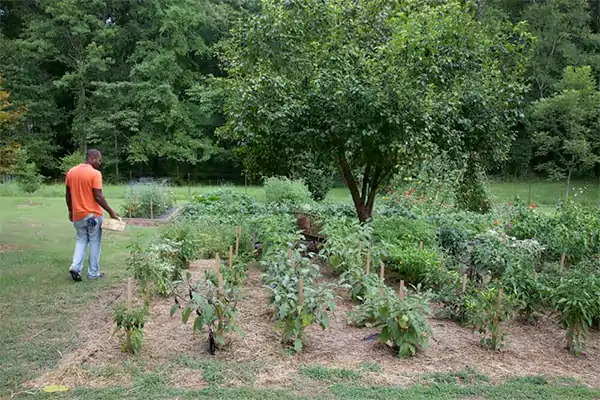
An in-ground vegetable garden or a flat-ground garden is the traditional method and works well for people with larger outdoor spaces. Although this type requires more soil preparation, it is still said to be a cost-effective approach and allows you to grow a wide variety of vegetables in a single season. Learning “how to grow peppers” or how to grow zucchini would be beneficial for this type.
Planning
For in-ground gardening, it is recommended to choose a flat, level area that receives at least 6-8 hours of sunlight each day. Remove all the weeds. Loosen compacted soil and mix nutrient-rich compost or aged manure to improve fertility and drainage. Leave pathways and space between planting rows for easy access during maintenance.
I usually position tall or trellised plants on the north or west side of the layout so that small crops do not get shaded by them. Make sure to group plants with similar seasonal needs for feasibility.
Planting
Bush beans, tomatoes, peppers, and root crops like carrots and radish are some top choices for an in-ground vegetable garden. If you have a large front lawn or backyard, you can have your own in-ground vegetable garden in just a few easy steps.
- Prepare the soil by removing weeds, rocks, and debris, then mix in compost or well-rotted manure to improve fertility and drainage.
- Mark your planting rows or beds according to the mature size of the vegetables you wish to grow, leaving enough space for easy watering and harvesting.
- Sow seeds or transplant seedlings at the proper depth and spacing as listed on the seed packet or label.
- Water immediately after planting to help settle the soil around the roots and encourage healthy establishment.
- Apply a 2-3 inch layer of mulch around the plants to retain soil moisture and regulate the temperature.
- Install support like a stake or trellis for the plants that require it and monitor the garden regularly.
Harvesting
Harvest vegetables when you feel they have reached their mature stage. Look for the ideal size, color, and firmness. Do not delay harvesting for best flavor and texture. Using a clean and sharp pair of garden shears, pluck the vegetables and dust off all the excess soil using a soft brush.
4. Vertical Vegetable Garden
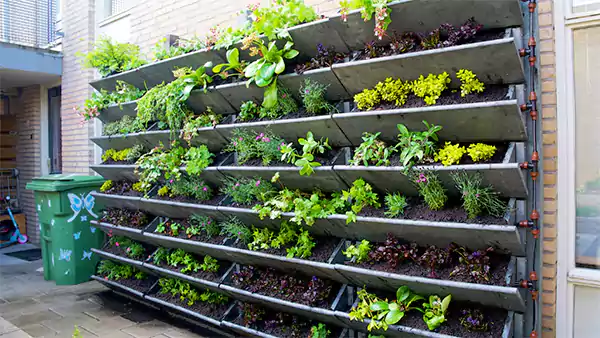
A vertical vegetable garden uses trellises, cages, or poles to grow crops upwards instead of spreading across the ground. It is an excellent option for people with small spaces because it maximizes the growing area while making plants easier to care for. This approach also improves air circulation and helps reduce the risk of fungal diseases. A vertical veggie garden creates an effective display while increasing productivity in limited spaces.
Planning
Select a spot that receives 6-8 hours of direct sunlight each day. Place the structure or the framework in a way that taller plants or the climbers do not block sunlight for the nearby vegetable plants.
Choose the right support system depending on the crops you wish to grow. Trellises work well for cucumbers and peas, cages are ideal for tomatoes, and moss poles are suitable for bush beans.
Select suitable vegetables that have a naturally climbing habit. Avoid overcrowding by spacing the plants properly. This also improves airflow, reduces disease problems, and makes watering and harvesting easier.
Planting
Cucumbers, pole beans, peas, cherry tomatoes, or climbing squash are some of the best choices for a vertical vegetable garden. Always make sure the soil is of good quality. Enrich the growing area with compost or organic manure before planting. Healthy soil supports proper growth rate and higher yields.
- Install the support system beforehand by securing a trellis, cage, poles, or netting before planting so that the roots won’t get disturbed later.
- Prepare the soil by loosening it and mixing in compost to improve drainage and fertility.
- Choose suitable vegetable plants and sow the seeds or transplant the seedlings at the recommended depth and spacing. Make sure to leave space for vines to spread properly.
- Water thoroughly after planting so that the soil can settle down around the roots and reduce transplant shock.
- Apply mulch around the base of the plants to conserve moisture and monitor growth regularly.
Harvesting
Since the production is easier to see on vertical supports, it becomes simpler to identify when to harvest vegetables, resulting in better flavor and continued production throughout the growing season.
Essential Vegetable Garden Care After Planting
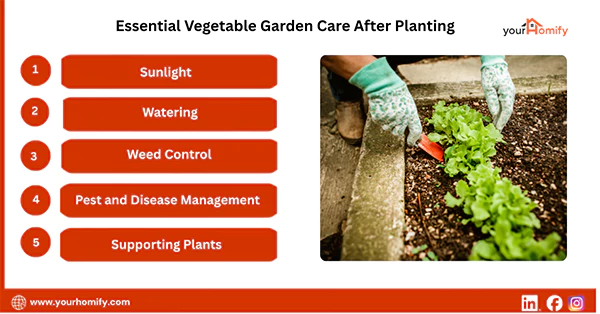
Abundant sunlight, consistent watering, weed control, pest and disease management, and providing support to the plants with stakes or trellises are some essential care tips for a vegetable garden. Proper care after planting is the key to a healthy and productive vegetable garden for beginners.
Sunlight: Most of the vegetables thrive in full sun and require direct bright light. Fruiting crops like tomatoes, peppers, eggplants, and squash require at least 8-10 hours of direct light, whereas root crops and leafy greens such as carrots, radish, lettuce, and spinach need at least 3-6 hours of sunlight.
Watering: Water vegetables deeply instead of lightly sprinkling them. Most varieties need about 1-1.5 inches of water per week, depending on rainfall and temperature. I usually water early in the morning and try to keep the foliage dry to prevent fungal diseases.
Weed Control: Remove weeds regularly before they even establish. Weeds typically compete with vegetables for water, nutrients, sunlight, and space. This restricts plant growth and harms the harvest also. I often remove all the unwanted plants by hand-pulling or light hoeing.
Pest and Disease Management: Inspect plants every few days for signs of insect damage, yellowing leaves, holes, or other fungal infections. Remove all affected leaves immediately and use organic treatment methods. Manually remove all the thrips or worms. Spray a strong stream of water to wash the foliage and use horticultural oils or insecticidal soaps.
Supporting Plants: Provide stakes, cages, or trellises for vegetables that need support, such as tomatoes, cucumbers, pole beans, and some zucchini varieties. Supporting plants improves air circulation, keeps fruits off the ground, and makes harvesting easier.
Common Mistakes Every Beginner Should Avoid
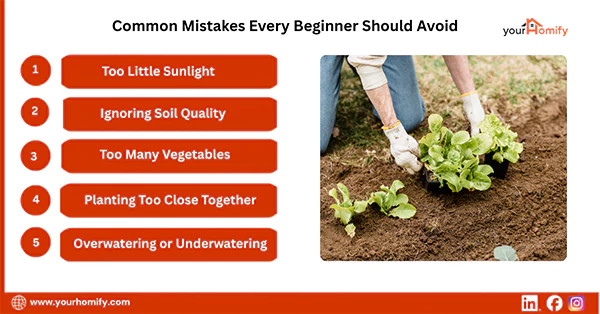
Location with too little sunlight, ignoring soil quality, starting with too many vegetables, planting too close together, and overwatering or underwatering are some common mistakes that every beginner should avoid if they are setting up a vegetable garden.
- Choosing a Location With Too Little Sunlight: Most vegetables need 6-8 hours of direct sunlight each day. Planting the crops in a shaded area with no light can often result in weak plants and poor harvests.
- Ignoring Soil Quality: Planting in compacted or nutrient-poor soil limits root growth. Always make sure to mix compost or rotted manure into the soil before planting to enhance drainage and fertility.
- Starting With Too Many Vegetables: Growing too many crops at once can become difficult to manage. It is always better to begin with low-maintenance vegetables and expand your garden as you get experience.
- Planting Too Close Together: Overcrowded plants compete for sunlight, water, and other essential nutrients. This also reduces airflow and increases the risk of pest and fungal infestation.
- Overwatering or Underwatering: Whether you overwater or underwater, both can harm the vegetable crops. Water deeply only when the top 2-3 inches of the soil feels dry, and give time between watering sessions.
Conclusion
Starting a vegetable garden for beginners is a rewarding experience that becomes easier with proper planning, the right planting techniques, and regular harvesting. Choose vegetables that suit your space, maintain healthy soil, water consistently, and harvest them at the right time. With patience and practice, you will enjoy fresh, homegrown vegetables and gain confidence to grow more each season.
FAQs
What is the easiest vegetable garden for beginners?
A container vegetable garden is one of the easiest approaches if you are just beginning with gardening. It allows you to have control over soil quality, watering frequency, and fertilizing needs. Lettuce, radish, and bush beans can be easily cultivated in this method.
What is the most common mistake of first-time gardeners?
The most common mistake of a first-time gardener is improper watering. Overwatering or underwatering can restrict the growth rate and kill the plant. Water deeply only when the soil feels dry, and adjust the frequency as per the moisture level.
What month should I start my vegetable garden?
The best month for starting your own vegetable garden depends on your local climate and the crops you choose. But the ideal time to plant vegetables is generally late January to March.
What vegetables grow well together?
Some of the great companion plants are tomatoes with basil, beans with corn or squash, and carrots with lettuce or radish.
What are the best three plants to grow together?
Tomatoes, basil, and marigold are the three perfect plants to grow together. Tomato vines provide shade for basil, while basil helps enhance the flavor of tomatoes. Marigolds are grown to naturally deter pests and nematodes.
- Planning a Vegetable Garden – University of Maryland
- Beginning Vegetable Garden Basics: Site Selection and Soil Preparation – University of Wisconsin
- Beginner’s Guide to Vegetable Gardening – IOWA State University