Learning how to grow peppers is easier than many gardeners think. You simply need to choose the right variety, sow the seeds, place them in a sunny spot, allow them to germinate and harden off, move the plant outdoors, and insert a trellis for support.
Peppers (Capsicum annuum) are herbaceous shrubs, typically grown as annuals. A mature pepper plant generally grows up to 18-48 inches tall and 12-36 inches wide, depending on the variety. The species has a moderate growth rate and is suitable for USDA hardiness zones 9-11. Pepper plants take 60-90 days from transplanting to first harvest and have a lifespan of around 1.5-10 yrs.
With the right growing conditions, regular watering, and proper maintenance, peppers can be successfully grown in both garden beds and containers. This guide covers everything you need to know, from seed starting to plant care to harvesting.
Quick Answer
Select the right variety. Start by sowing the seeds indoors 8-10 weeks before the last frost in a well-draining seed starting mixture. Provide them with plenty of light and keep them warm. Allow them to germinate and harden off. Transplant them outdoors and water consistently to keep the soil moist. Fertilize regularly, control pests, and harvest when they reach maturity.
How to Grow Peppers From Seed to Harvest (Step-by-Step Guide)
Here are a few steps that you can follow to grow peppers from seed. Choose the right pepper variety, sow the seeds correctly, provide warmth and light, harden off the seedlings, transplant as needed, and provide stake support if needed.
Let us explore the procedure in more detail in this section.
Step 1: Select the Right Variety
Choose the right pepper variety as per your climate, growing conditions, and usage. If you are a beginner, you can start by planting bell peppers as they are easy to care for and versatile in the kitchen.
Step 2: Sow the Seeds Correctly
Seed trays or small pots work best. Use a light, well-draining seed-starting mix. Plant each seed about ¼ inch deep and gently cover it with the soil. Mist the soil with gentle watering so it stays moist but not soggy.
Step 3: Provide Proper Warmth
Place the tray in a warm location where the temperature remains between 75°F and 85°F (24°C–29°C), as pepper seeds germinate best in warm conditions.
Step 4: Allow the Seeds to Germinate
The seeds usually germinate within 7 to 21 days, depending on the variety and the temperature. As soon as the seeds sprout, place them in a bright location where they can get 6-8 hours of direct sunlight, or use artificial grow lights.
Step 5: Let the Seeds Harden Off
Harden off the seedlings about 7-10 days before transplanting them. Place them outside in an area where they can get sheltered sunlight for a few hours each day. Slowly increase the hours as this process helps the plant adapt to wind, sunlight, and changing temperatures.
Step 6: Transplant Them Outdoors
Move pepper plants outdoors once the soil temperature is at least 65°F (18°C) and the danger of frost has passed. Choose a location where the soil is fertile and permeable. It is ideal to space the plants 18-24 inches apart for proper airflow. Water thoroughly and add mulch around the plant to retain soil moisture.
Step 7: Provide Proper Support
It is ideal to insert a stake if additional support is needed. A mature pepper plant generally grows up to 18-48 inches tall and 12-36 inches wide. As the plant starts producing fruits, it may become heavy and bend the stems. Providing support keeps branches from breaking and makes harvesting easier in the long run.
What are the Ideal Growing Conditions for Healthy Pepper Plants?
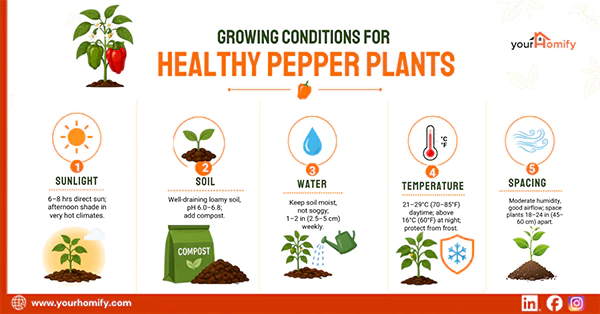
The ideal growing conditions for healthy pepper plants are 6-8 hours of direct sunlight, well-draining fertile soil, consistent watering, temperatures between 21°C and 29°C, and moderate humidity levels. Let us explore these requirements in more detail.
- Sunlight: For abundant fruiting, pepper plants need 6-8 hours of direct sunlight every day. If you are living in regions with extremely dry summers, protect the plant from afternoon sun to prevent leaf scorch.
- Soil: Peppers need well-draining, fertile, loamy soil rich in organic matter. The ideal pH should be around 6.0-6.8. Before planting, be sure to mix compost or rotted manure into the soil to improve its drainage and moisture retention.
- Water: Consistent watering is needed to keep the soil moist but not waterlogged. The plants need about 1-2 inches of water per week, depending on the region’s temperature. Allow the top 2-3 inches of the soil to dry before the next watering session to prevent root rot.
- Temperature: Peppers are generally warm-season plants, and they thrive best in 70°F–85°F (21°C–29°C) during the day and above 60°F (16°C) at night. As the cool weather emerges, the pepper plant goes dormant. Extreme frost conditions can also kill the plant.
- Humidity and Spacing: Pepper plants grow best in moderate humidity. Proper airflow around the species can prevent the risk of fungal diseases; therefore, space them 18-24 inches apart, allowing the sunlight to reach all parts of the plant.
Maintenance and Care Tips for Pepper Plants
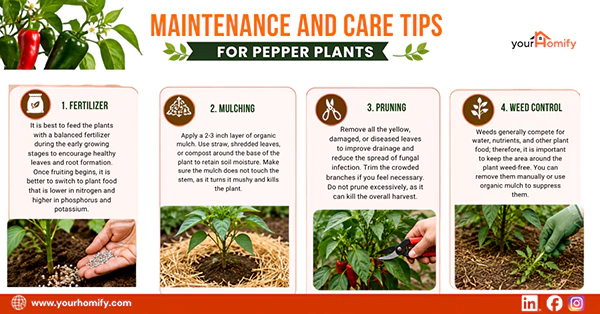
A regular care and maintenance routine for pepper plants includes fertilizing, mulching, pruning, and weed control. All these tips help encourage continuous flowering and fruit development.
- Fertilizer: It is best to feed the plants with a balanced fertilizer during the early growing stages to encourage healthy leaves and root formation. Once fruiting begins, it is better to switch to plant food that is lower in nitrogen and higher in phosphorus and potassium.
- Mulching: Apply a 2-3 inch layer of organic mulch. Use straw, shredded leaves, or compost around the base of the plant to retain soil moisture. Make sure the mulch does not touch the stem, as it turns it mushy and kills the plant.
- Pruning: Remove all the yellow, damaged, or diseased leaves to improve drainage and reduce the spread of fungal infection. Trim the crowded branches if you feel necessary. Do not prune excessively, as it can kill the overall harvest.
- Weed Control: Weeds generally compete for water, nutrients, and other plant food; therefore, it is important to keep the area around the plant weed-free. You can remove them manually or use organic mulch to suppress them.
Common Pests and Diseases Affecting Pepper Plants
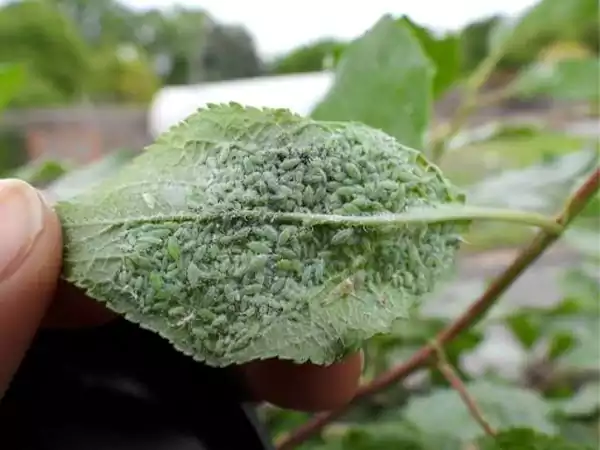
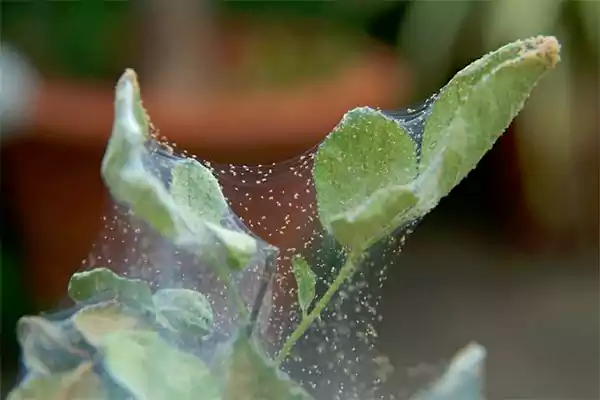
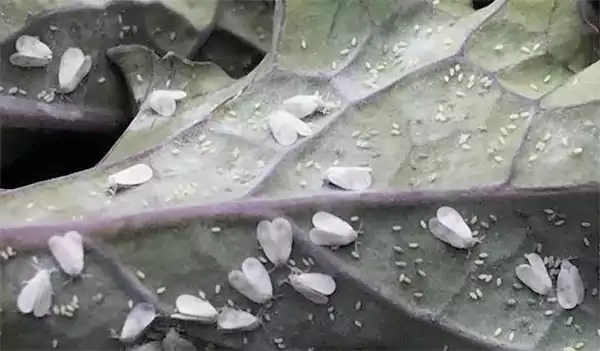
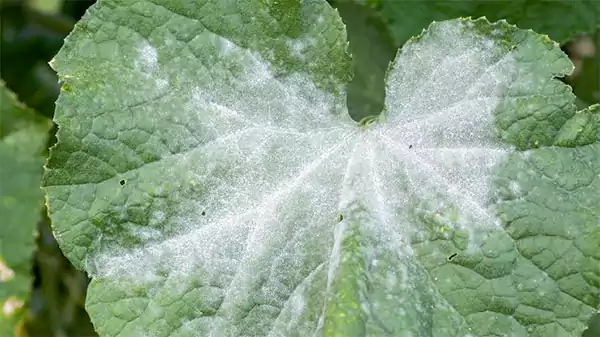
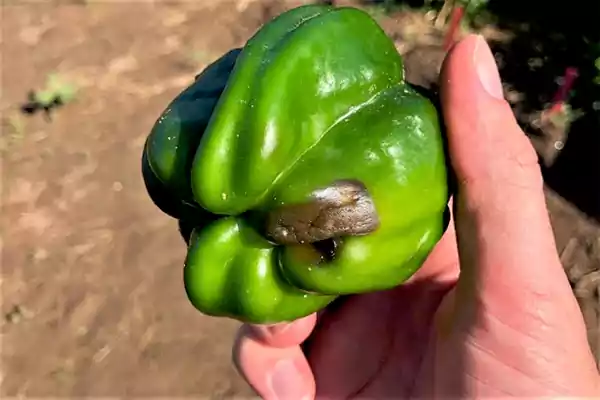
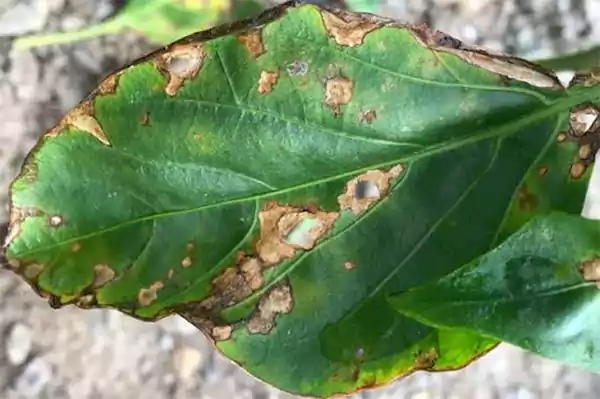
Aphids, spider mites, whiteflies, powdery mildew, bacterial leaf spot, and blossom-end rot are some common pests and diseases that can affect the growth of the pepper plant.
The table given below explains the issues in detail along with their treatment ideas.
How to Harvest and Store Peppers the Right Way?
Most pepper varieties are ready to harvest 60-90 days after transplanting. You can use clean pruning shears or sharp scissors to cut peppers from the plant. It is ideal to store them in the crisper drawer of your refrigerator to keep them fresh for 1-2 weeks.
1. Harvesting Peppers
Green peppers are often harvested before they fully ripen, while red, yellow, and orange peppers should remain on the plant till the time they develop their mature color. It usually takes 60-90 days for peppers to be harvested after transplanting them.
Avoid pulling or twisting peppers by hand and prefer using clean pruning shears to cut them from the plant. Leave about 1 inch of the stem attached to the fruit so that it can remain firm and fresh for 2-3 weeks.
2. Storing Fresh Peppers
You can directly store the freshly harvested peppers in the vegetable crisper drawer of your fridge. Wash them only when you are about to use them so that they do not get soggy or mushy. You can also keep them at room temperature, but avoid keeping them in bright sunny areas.
Conclusion
Learning how to grow peppers is simple. You need to provide the right growing conditions and consistent care from seed to harvest. Choosing the right variety, maintaining a warm environment, and following a proper care routine will give you productive plants with high-quality peppers.
Whether you wish to grow them in garden beds or containers, pepper plants are easy to care for. You can enjoy this fresh, homegrown veggie in cooking, salads, or even as a dip.
FAQs
What is the trick to growing peppers?
Ideal sunlight for 6-8 hours, consistent moisture, and fertile or permeable soil are the key to growing healthy peppers.
Do peppers grow better in pots or in the ground?
Peppers can be grown successfully in pots or directly in the ground. Their healthy yield largely depends on the climate and growing conditions of the region. When grown in garden soil, the roots can establish themselves more extensively. However, growing peppers in containers offers the advantage of mobility, allowing you to move the plants as needed.
What are common pepper growing mistakes?
Transplanting them before the soil properly gets warm, overwatering/underwatering, or using fertilizer with high nitrogen content are some common mistakes that beginners usually make while growing peppers.
What month should you plant peppers?
Start by sowing the pepper seeds 8-10 weeks before the last frost season in your area. This means January to March is the ideal time to plant peppers.
What are some of the best companion plants for pepper?
Some of the best pepper companion plants are basil, alliums (garlic, chives, shallots, scallions, and onions), cilantro, nasturtiums, and oregano.
- Growing Peppers in Home Gardens – University of Minnesota
- How to Grow Peppers in Your Garden – Utah State Extension
- How to Grow Peppers – BBC Gardeners Magazine