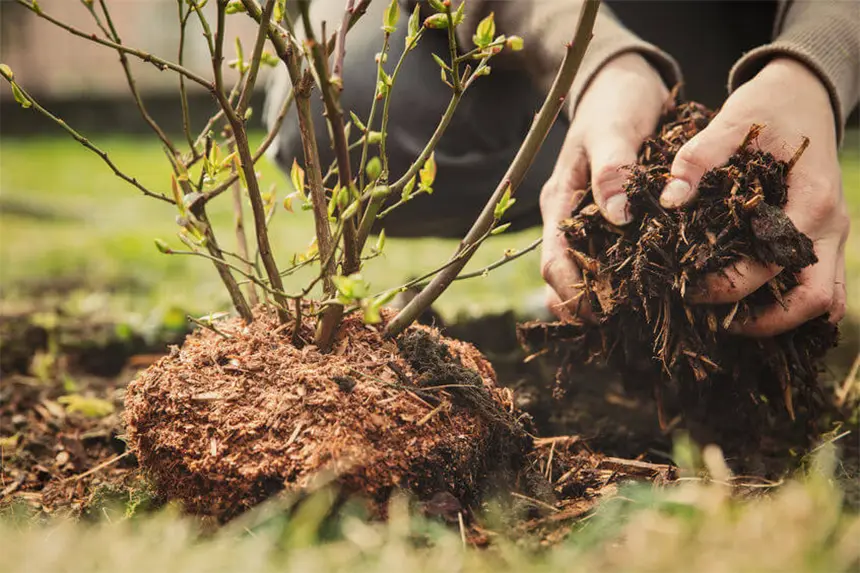
Correct mulching is very important to grow healthy perennials and flowering plants. They need proper growing conditions to flourish, bloom beautifully, and return strong annually. Give them proper sunlight, water, and soil according to their growing conditions. Choosing the right mulch for landscaping helps retain soil moisture, regulate temperature, and create a healthier environment for your plants to grow.
Understand How Mulch Affects Plant Health
Mulch does more than make your garden beds look orderly and attractive. It helps create a healthier environment for enduring and flowering shrubs by holding moisture in the soil, keeping temperatures more constant, and limiting weed growth. When you choose the right material and implement it properly, your plants have a better chance of growing strong and creating beautiful blooms.
Choose the Right Mulch for Your Plants
Not all compost works the same way, so it helps to consider your plants’ needs before choosing a material for your garden. Natural options, such as hardwood compost, can help improve soil quality over time, while finer surface may work better in smaller planting areas. Think about your soil situations, the types of enduring and flowering shrubs you have, and the general look you want to reach when making your choice.
Consider What Your Perennials Need to Thrive
Perennials come back annually, so giving them healthy growing conditions can make a real difference in how well they develop and flourish. A proper layer of manure helps keep the soil moist, protects roots from temperature changes, and decreases weed competition that can take nourishment away from your plants. Just be sure to avoid piling mulch too deeply, as this can trap excess moisture and obstruct healthy root growth.
Give Flowering Shrubs the Right Growing Conditions
Flowering shrubs need steady moisture and healthy soil to grow well and produce vibrant blooms during the season. The right mulch helps protect their roots from temperature variations, slows moisture loss, and keeps weeds from competing for necessary nutrients. For the best results, spread mulch evenly around the base of each shrub while leaving space around the stems to stop excess moisture and prevent rot.
Avoid Mulching Mistakes That Can Harm Your Plants
Even with the right manure, a few common mistakes can affect the health of your evergreen and flowering shrubs. Keep these simple tips in mind to protect your plants and get the most out of your garden beds.
Applying Mulch Too Deeply
Adding too much manure can avoid water and air from reaching the soil properly, possibly affecting root health. For most garden beds, a layer around two to three inches deep is generally enough, although the ideal depth depends on the mulch material and your plants’ needs. Check the present layer before adding more to prevent creating a thick buildup over time.
Piling Mulch Against Stems and Trunks
It might seem helpful to spread manure right up against your plants, but this can trap moisture around stems and trunks. Continuous dampness may encourage rot, fungal problems, and other issues that can reduce your perennials and flowering shrubs. Leave a small gap about each plant’s base to allow proper airflow and keep the nearby area from staying too wet.
Choosing Materials That Do Not Suit the Garden
Different compost materials offer different benefits, so choosing one based only on looks may not give your plants the support they need. Consider factors such as soil conditions, moisture needs, and whether your garden would benefit from natural material that gradually breaks down. If you are arranging mulch delivery for a gardening project, make sure the selected material suits your plants and the particular areas where you plan to use it.
Forgetting to Check Soil Moisture Before Watering
Manure helps slow moisture loss, which means the soil below it may stay damp longer than you expect. Watering on a fixed agenda without checking soil conditions can leave the roots too wet, particularly after rainy weather. Feel the soil under the mulch before watering so you can adjust your routine based on what your plants truly need.
Refresh Your Mulch as Your Garden Grows
Because mulch decays, regularly inspect your garden beds so you know when to replace the present compost with fresh material. Add a new layer when the current mulch becomes thin or uneven, but avoid adding fresh material on top of a previously thick layer. As your perennials and flowering shrubs grow, adjust the manure around them to maintain healthy soil conditions and keep your garden orderly.
Choose Quality Mulch for a Healthier Landscape
Adding the right quality mulch to your beds can have a considerable impact on the growth of your flowering shrubs and perennials. Find a dependable supplier of the right type of mulch for your soil type, plants, and your general landscape design. With the right fabric, you can enjoy attractive beds while decreasing your workload.
Conclusion
Healthy perennials and flowering shrubs start with the right growing situations, and choosing the right mulch can make caring for them much simpler. With proper application and regular preservation, quality mulch for landscaping helps keep moisture, protect roots, and keep garden beds looking their best. Take the time to choose a manure that suits your plants, and you can enjoy a healthier, more energetic garden season after season.
FAQs
What is the best type of mulch for flowerbeds?
Organic mulch like shredded hardwood bark and organic compost is best because it slowly breaks down and feeds the soil.
How deep should mulch be applied?
Apply a two- to three-inch layer of mulch. Avoid applying it too thick, which can suffocate roots or block water.
Should mulch touch plant stems or tree trunks?
No, keep mulch two to three inches away from stem crowns and trunk to prevent root mold and pest damage.