Modern interior design has evolved quite a bit over the years, with many elements going in and out of fashion for brief periods of time, but one thing has remained consistent: a flooring selection that effectively defines the whole space.
Warm hardwoods bring that timeless charm to any space they are added to, presenting a curated, spacious, and uncluttered feel in whichever room they are added to. These qualities allow them to add a biophilic sense of style to a place.
This article outlines the popular hardwood options homeowners usually go for, along with the essential care tips required to maintain the natural wood grain of your newest addition.
Why Warm Hardwoods Define Modern Interior Design
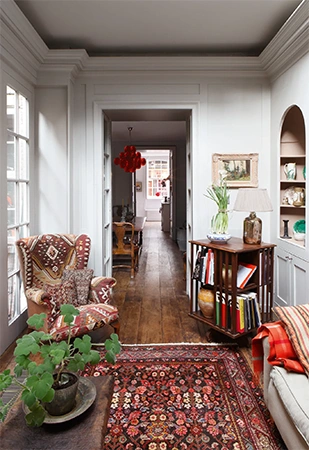
Newest interior design trends tend to focus on creating a minimalist environment where everything appears clean, maintained, and sophisticated. With many houses now following an open plan, there’s an increasing requirement for something that acts as an architectural anchor for the whole space.
That is exactly what a hardwood flooring addition provides by creating a warm, textured, and clean visual appearance, thereby enhancing the quiet elegance and visual harmony of your calm abode. But choose and maintain those hardwood floors carefully, especially in subtropical climates.
Popular Hardwood Types and Their Natural Tones
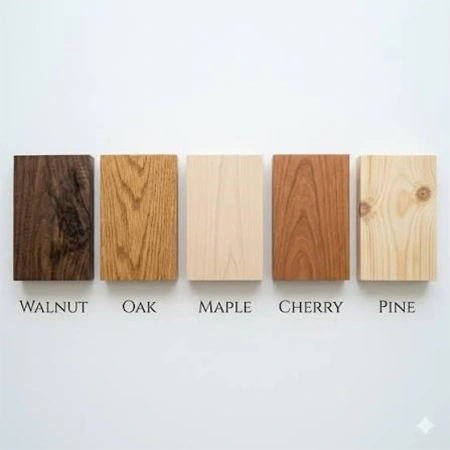
The table compares various popular hardwood types based on their natural tones, Janka hardness rating, and the homes they’re best suited for:
| Hardwood | Natural Tone | Janka Hardness Rating | Best Suited For |
| White Oak | Light to soft-grey brown | 1360 | Modern homes |
| Red Oak | Reddish-brown | 1290 | Traditional, rustic interiors |
| Walnut | Rich brown, slightly purple | 1010 | Low-traffic luxury rooms |
| Maple | Light colors, subtle grain | 1450 | High-traffic areas |
| Hickory | Brown tones, rustic charm | 1820 | Active home with pets/kids |
| Brazilian Cherry | Rich, reddish-brown | 2350 | High-traffic yet elegant interiors |
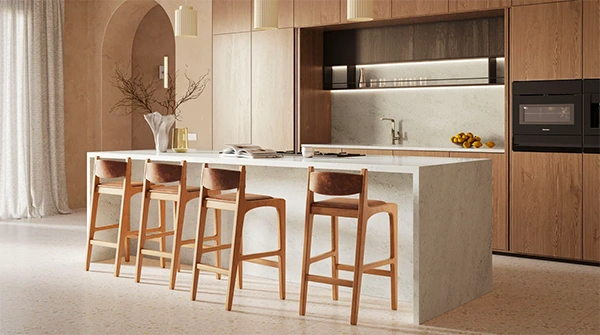
Pairing Wood with Metal, Stone, and Modern Finishes
Homeowners often avoid wood because of its traditional look. But when mixed with metal, stone, and other materials, it can improve functionality and provide a timeless look.
- Wood + Metal: Warm oak looks sleek with black, bronze, or brushed brass. One gets a clean modern touch without losing that natural warmth.
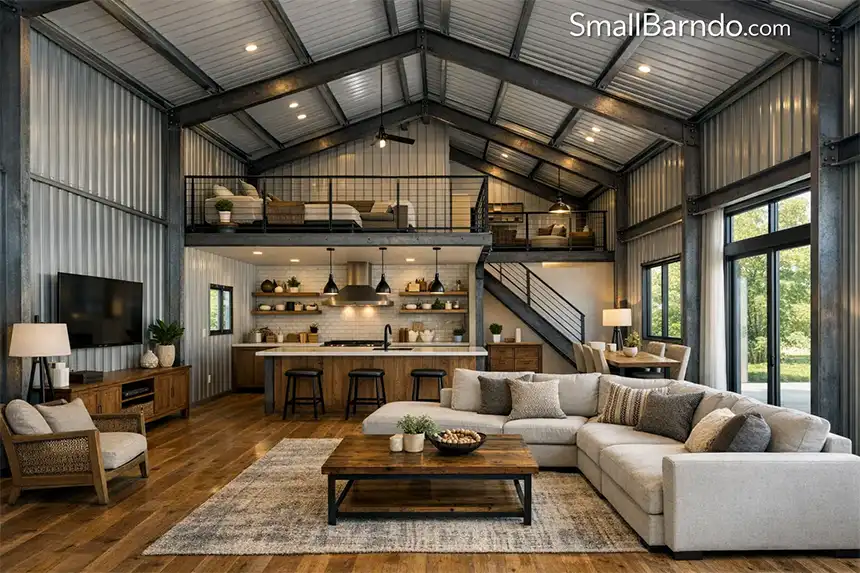
- Wood + Stone: Marble and limestone add an earthy feel that matches seamlessly with visible wood parts.
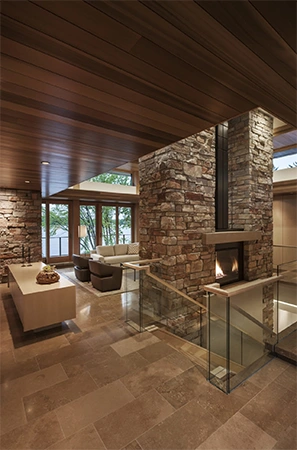
- Wood + Modern Finishes: Glass and concrete can give a minimalist look with better polishing and finish.
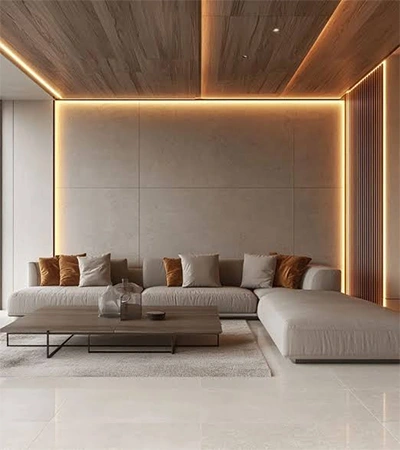
- Mix Textures: Try to combine smooth surfaces with natural elements to get a unique look with a considerable finish.
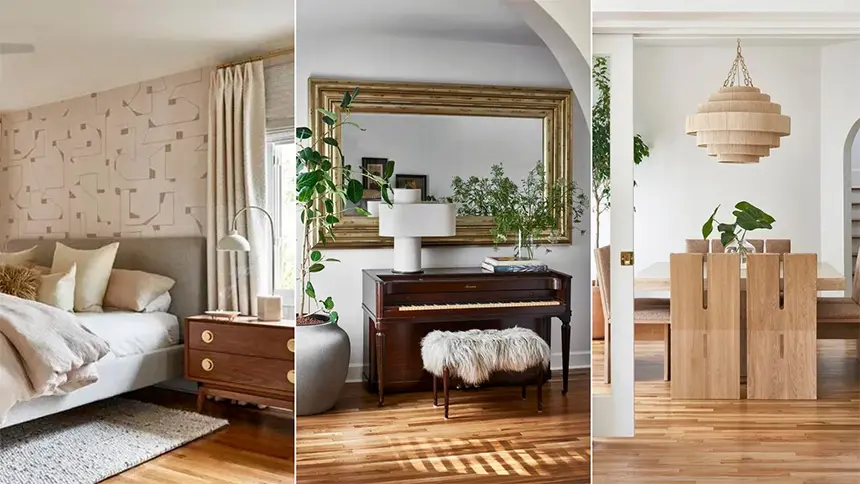
Keep your end goal to get a balance: allow the wood to play the main role while using metal, stone, and modern finishes to support it.
Best Ways to Feature Hardwood Across Living Spaces
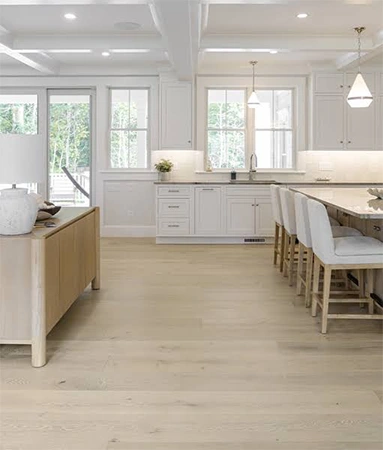
A hardwood does not need to cover every corner of the house in order to make an impact. When you use it effectively, it can set a tone for a room without being too expensive.
While flooring is the most common choice, it can improve the appearance of your home and the value, too. With a wide variety of hardwood flooring, you can find one that suits your living room and your pocket.
A few flooring options you can consider –
- Wide plank boards – This flooring option works best for living rooms and kitchens. This helps to make your space feel bigger and open.
- Solid hardwood flooring – This is a very traditional flooring type made from a single type of wood. This flooring is very durable and aesthetic.
- Engineered hardwood flooring – This hardwood flooring contains multiple layers of plywood and a top layer of real wood. The thickness of this hardwood is generally ⅜ to ¾ inches.
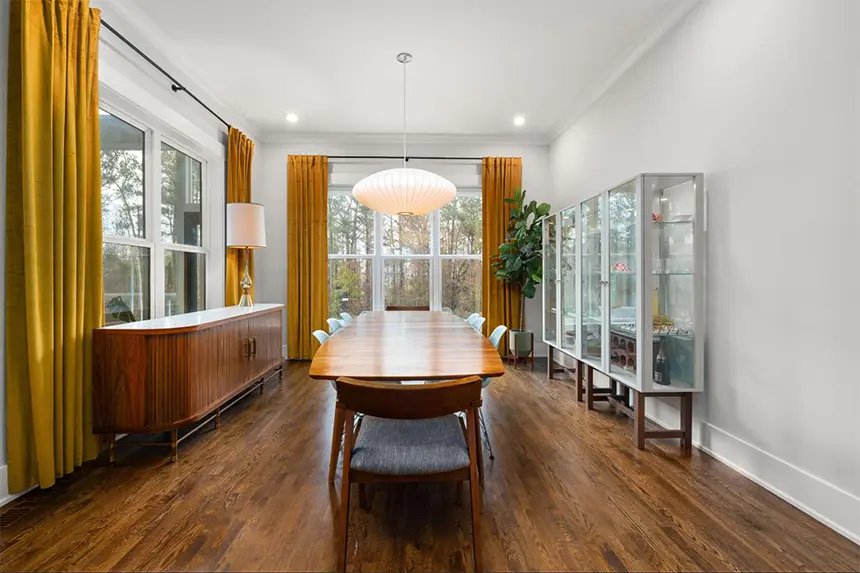
You can also use wood furniture to make it more impactful. Adding a solid dining table that matches your flooring is a very good option, and built-in cabinets can add charm to your living space.
Essential Care Tips to Protect Natural Wood Grain
While the flooring may look sublime for a few months, it does tend to degrade with time if proper care and attention aren’t provided to it, unlike titanium cutting boards, which is why it is essential to follow the following tips to protect the natural wood grain of your flooring:
- Clean regularly: Utilize a clean cloth to wipe off the accumulated dust, moving along in a straight direction across the floor. This can be done weekly, if needed.
- Apply natural oils: Rub tung oil on the surface, allowing it to penetrate the inner layers of the grain, thus providing additional sealing capabilities to the flooring.
- Controlled exposure: Try to block direct sunlight from being cast on the flooring and ensure that no drastic humidity changes take place, which tend to increase the swelling of the wood.
Following such methods allows you to maintain its pristine condition for longer periods of time, while also avoiding costly repairs or replacement in the future.
Creating a Balanced and Timeless Home Aesthetic
Trends come and go, but authentic materials stay for the long term, ensuring that your home never barks up the wrong tree. A home layered with natural textures lets the enduring story of the grain unfold through everyday life.
So, when you weave time thoughtfully among sleek lines and stone finishes, you actually build a place where modern design and natural comfort truly find common ground.
FAQs
How do I choose a suitable hardwood stain for a small contemporary room?
Using a lighter to mid-toned hardwood, such as natural white oak or maple, can maximize the amount of light reflected into small areas, making them feel bigger. Darker woods can add texture and contrast without making the room feel crowded.
Can I mix wood tones within the same space?
Yes! In contemporary design, you can use different species of wood together. Just be sure that the color temperature stays the same, and you should use each wood type at least twice in order to look good together.
What wood finish is the best choice to retain the natural look of wood?
The matte or satin polyurethane finish (or hardwax oil) is sufficient for maintaining and protecting the wood surface, avoiding the shiny gloss effect.